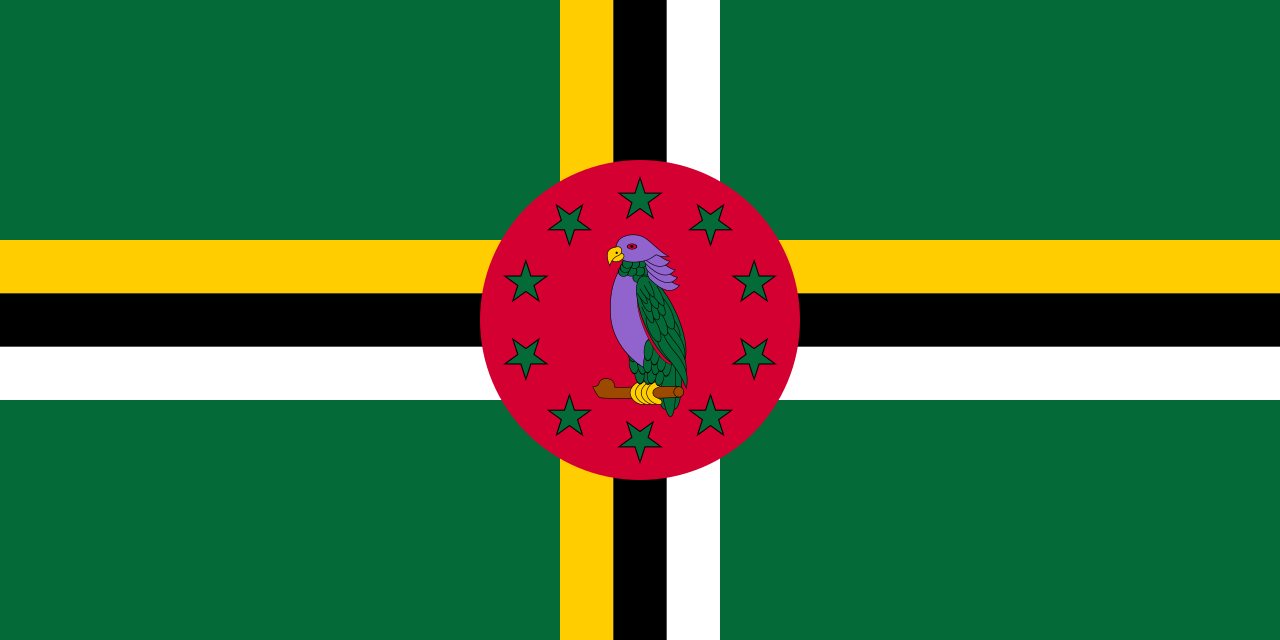
The Commonwealth of Dominica marks its 48th anniversary of political independence from Britain today, with a programme of national events centred on the capital, Roseau, and communities across the island.
The annual Independence Day parade is the centrepiece of the observance, bringing together uniformed groups, schoolchildren, cultural performers and representatives of national institutions. The event traditionally draws crowds to the capital and is carried live across the island.
Independence Day commemorates 3 November 1978, when Dominica became a sovereign republic within the Commonwealth after more than a century of British colonial administration. The island had been a British associate state from 1967 before achieving full independence under the leadership of the late Patrick John, the country's first prime minister.
National celebrations this year include the traditional flag-raising ceremonies, the Independence Day church service, and the presentation of national honours recognising citizens for service to the country. The programme also features cultural performances reflecting the island's kweyol heritage and the traditions of the Kalinago people, the indigenous inhabitants of the Nature Isle.
Independence observances in Dominica typically extend beyond the capital, with parish and village-level events in Portsmouth, the island's second town, and in communities from Grand Bay to the Kalinago Territory. Schools, churches and community groups organise their own activities as part of the national season.
The anniversary comes as Dominica continues to pursue its national development priorities, including recovery and reconstruction efforts following major storms, investment in geothermal energy, and the expansion of agriculture, fisheries and tourism. The government has consistently framed Independence as an occasion to reflect on the island's resilience and self-determination.
Official ceremonies are attended by the President, the Prime Minister, members of the House of Assembly, the diplomatic corps and representatives of regional and international organisations. Dominica's membership in the Organisation of Eastern Caribbean States and the Caribbean Community remains central to its foreign policy and its economic cooperation with neighbouring islands.
Public offices, schools and many businesses are closed for the national holiday. The Dominica Meteorological Service and the Office of Disaster Management continue to monitor conditions during the holiday period, and residents are reminded to remain attentive to official advisories as the Atlantic hurricane season enters its final weeks.
Independence Day remains one of the most significant dates in the Dominican calendar, alongside Carnival and the World Creole Music Festival. It is observed by Dominicans at home and across the diaspora, with community gatherings and church services held in cities abroad where large Dominican communities have settled.
The national motto, «Après Bondie, C'est La Ter» — After God, it is the Earth — is recalled each year as a statement of the island's faith and its dependence on the land and sea. This year's observance again places those themes at the centre of the national programme.