The primary White House television pool has resumed filming administration events after a court ruling temporarily overturned the Trump administration's ban on CNN, ending an unprecedented two-day blackout of presidential coverage during the United Nations General Assembly.
The pool, which includes NBC, ABC, CBS and Fox News alongside CNN, had ceased recording and transmitting White House footage on Monday in solidarity with CNN, MS Now and Politico. Those three outlets had been banned from the building by President Donald Trump over what he described as their constant «reporting» of «FAKE NEWS».
The collective action by the pool produced an effective television blackout of the president during a high-profile diplomatic week, leaving broadcasters without the customary feed of official events. The standoff was resolved after a court ruling temporarily overturned the ban on CNN, prompting the pool to resume its normal operations.
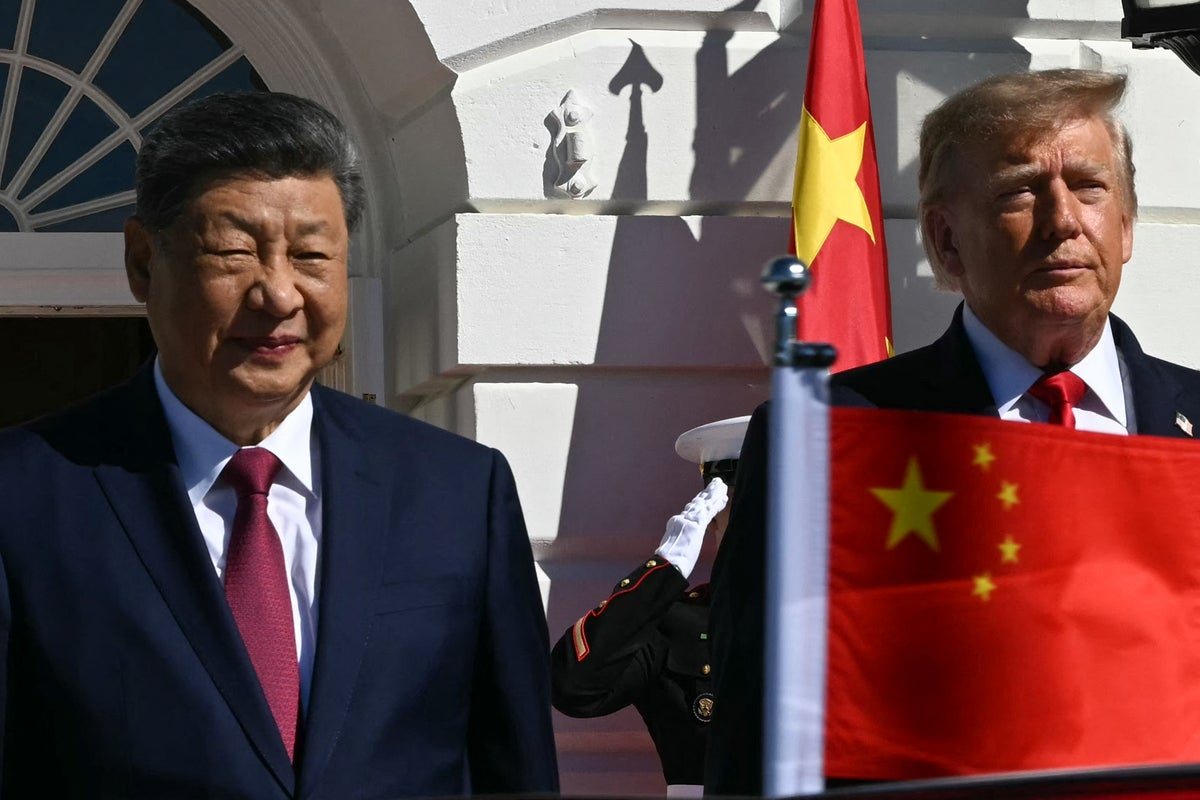
The dispute unfolded as Trump was hosting Chinese President Xi Jinping for the final day of the UN General Assembly, a setting that would ordinarily guarantee extensive televised coverage of the president. Instead, the ban and the pool's response left networks reliant on alternative sources for images of the administration's activities.
When pool reporters returned to the White House, Trump addressed them with a remark that appeared to carry a sarcastic edge. He told the assembled journalists, «we appreciate the fair coverage», a comment that underscored the ongoing tension between the administration and the press corps.
The ban had targeted CNN, MS Now and Politico specifically, marking a rare instance in which a sitting president sought to exclude particular news organisations from the White House press pool. The pool system is designed to provide shared access to presidential events, ensuring that a broad range of outlets can report on the administration regardless of their individual resources.
By halting their own filming in solidarity, the remaining pool members effectively denied the White House the usual conduit for televised coverage. The move represented a significant escalation in the long-running friction between Trump and major news organisations, and it placed broadcasters in the unusual position of withholding coverage rather than simply reporting on it.
The court ruling that temporarily lifted the CNN ban came a day after the pool's decision to stop transmitting footage. While the ruling addressed CNN's access, it also cleared the way for the pool as a whole to resume its duties, restoring a key element of the White House's daily interaction with the press.
The episode highlighted the practical consequences of restricting press access at a moment of intense international diplomacy. With the UN General Assembly drawing global attention, the absence of a standard television feed meant that images of the president's meetings and appearances were not distributed through the usual channels.
For the news organisations involved, the decision to act collectively reflected a shared interest in preserving access to the president, even as they compete for audiences. The pool arrangement depends on cooperation among networks that are ordinarily rivals, and the two-day suspension demonstrated how quickly that cooperation can be withdrawn when one member is excluded.
The resumption of pool coverage restores a familiar rhythm to White House reporting, though the underlying dispute over press access remains unresolved beyond the temporary court intervention. The administration has not indicated whether it will pursue further restrictions, and the banned outlets have regained access for now under the terms of the ruling.
The incident also drew attention to the role of the pool in shaping what the public sees of the presidency. When the pool stops filming, the effect is not merely a loss for the excluded outlet but a broader reduction in the visual record of the administration's activities, a point that became evident during the UN General Assembly week.
Trump's comment to reporters upon their return suggested that the confrontation was not entirely over in political terms, even as the operational standoff ended. The remark, delivered in the presence of the pool he had sought to restrict, served as a reminder of the adversarial dynamic that has characterised his relationship with much of the national press.
For now, the cameras are rolling again, and the White House television pool has returned to its role as the primary conduit for broadcast coverage of the president. The court ruling has provided a temporary resolution, but the broader questions about access and exclusion remain live as the administration continues to test the boundaries of its dealings with the media.