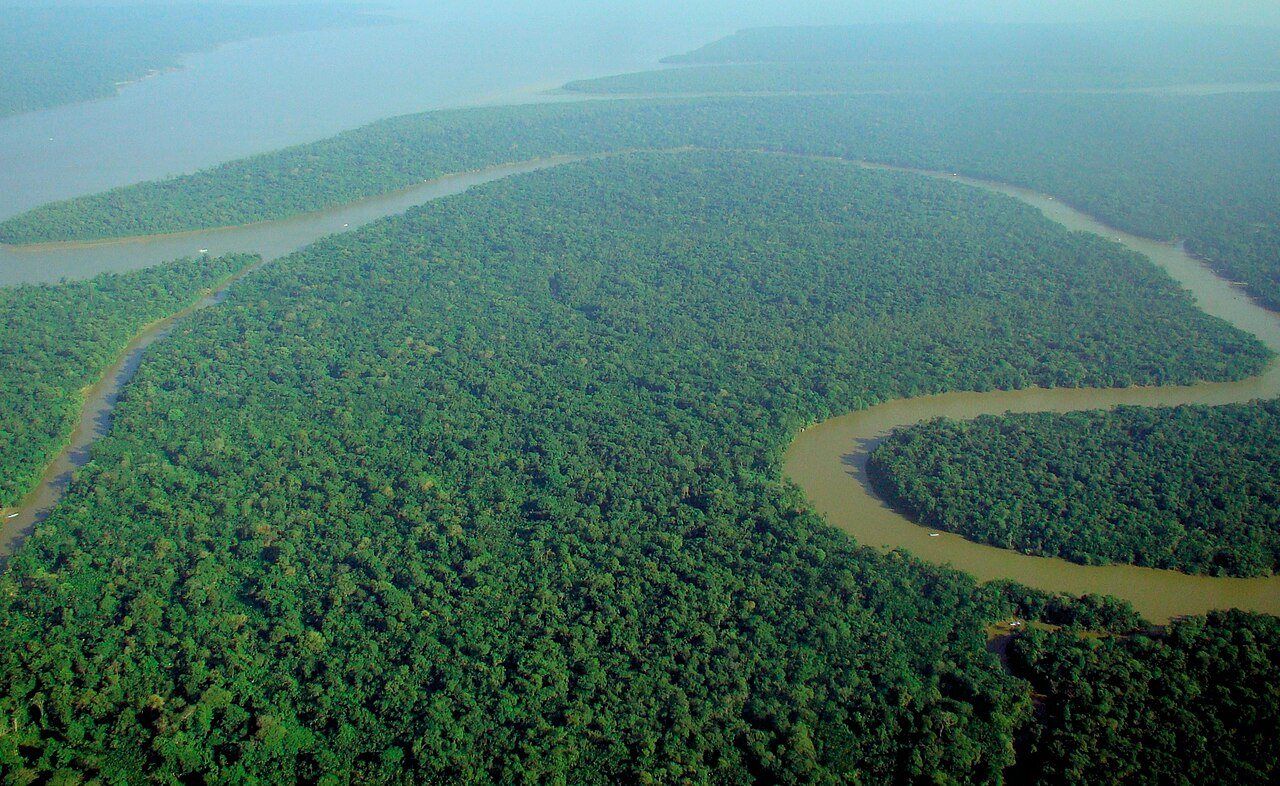
Protecting forests that are still standing is the single most effective conservation strategy in the Amazon, according to a large new study that weighed biodiversity and carbon outcomes against the costs of different interventions. Preventing damage from wildfires and logging produced the greatest biodiversity benefits and came close to matching deforestation prevention for protecting carbon stocks.
The findings carry direct implications for how governments, donors, and conservation groups allocate limited funding across a region that spans nine countries and holds roughly a tenth of the world's known species. The study suggests that the most powerful move available to policymakers is not restoring degraded land but keeping intact forest from being degraded in the first place.
Restoration remains important, particularly in areas where forests have already been heavily cleared, the research indicates. But it was more expensive and less effective on its own than measures that shield existing forest from fire, illegal logging, and other forms of degradation. That cost gap matters in a region where enforcement budgets are stretched and where a single severe fire season can undo years of replanting work.
The study's comparison of strategies places fire and logging prevention alongside deforestation prevention as the two highest-value options for biodiversity. For carbon, deforestation prevention retained a slight edge, but the near-parity of degradation prevention suggests that policymakers who focus only on clearing may be missing a large share of the climate benefit available from the same landscapes.
Degradation — the gradual thinning of forest through selective logging, understory fires, and edge effects — is harder to detect by satellite than outright clearing, which has historically made it harder to fund and monitor. The study's results argue for treating those quieter losses as a first-order conservation priority rather than a secondary concern.
The Amazon is approaching tipping points in some regions, where continued forest loss could shift large areas toward drier, savanna-like conditions. Under that pressure, the study's emphasis on defending standing forest aligns with a growing body of research suggesting that prevention is cheaper than cure at landscape scale.
For restoration planners, the message is not that replanting is futile but that it works best as a complement to protection, especially on heavily cleared land where the original forest cover is already gone. Where intact forest remains, the same money spent on fire brigades, monitoring, and enforcement against illegal logging appears to buy more ecological value per dollar.
The findings also point to a practical question for international climate and biodiversity finance: whether payments should reward avoided degradation as readily as avoided deforestation. If degradation prevention delivers biodiversity gains on par with the best alternatives and carbon benefits close behind, excluding it from incentive schemes would leave a significant gap in global conservation strategy.
The study does not offer a single prescription for the whole basin. Outcomes varied with local conditions, and the authors frame restoration as a necessary tool in heavily cleared landscapes even as they identify protection of standing forest as the strongest overall lever. That dual conclusion may be the most useful takeaway for decision-makers choosing among competing priorities.
With the Amazon facing continued pressure from fire, logging, and land conversion, the research adds evidence that the fastest and least expensive route to conserving both species and carbon runs through the forests that have not yet been lost.