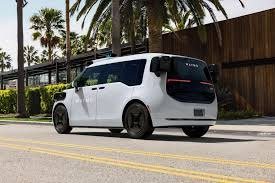
Waymo has begun offering rides to and from Harry Reid International Airport, extending its autonomous ride-hailing service in Las Vegas to one of the region's busiest travel hubs. The move comes only weeks after the company opened its driverless service to the general public in the city in September.
The airport addition gives travelers a new option for trips between the terminals and destinations across the Las Vegas Valley, a market where taxi and rideshare demand is heavily shaped by tourism and convention traffic. Waymo said it is already serving a 24-square-mile area within the city, and the airport connection links that zone to the passenger flows that drive much of the local transportation economy.
For Waymo, the Las Vegas airport launch is part of a broader effort to scale its autonomous ride-hailing business beyond the early test markets where it built its reputation. Airport pickups and drop-offs are among the most scrutinized segments of any rideshare operation, involving curbside logistics, luggage, variable flight schedules and coordination with airport authorities. Successfully serving that environment is widely viewed as a test of whether driverless services can handle high-volume, time-sensitive trips.
The company has expanded its public service in Las Vegas quickly. After launching to riders in September, it now covers a service area that spans much of the city's core. The airport route adds a high-demand corridor that could expose more first-time passengers to the technology, including visitors who may not have encountered a driverless vehicle before.
Waymo's growth in Las Vegas also puts it in more direct competition with traditional taxis and human-driven rideshare platforms that have long dominated airport traffic. Those operators have built loyalty programs, curbside relationships and app habits among frequent travelers, advantages that a new entrant must overcome with reliability and pricing.
The company has not disclosed how many vehicles it will deploy at the airport or how the service will be priced relative to existing options. It also has not said whether airport trips will be available around the clock, though its Las Vegas service area operates within the city's broader coverage zone.
Airport service has become a strategic priority for autonomous vehicle companies seeking to prove their businesses can work at scale. Airports generate dense, predictable demand and offer a contained environment where operators can manage pickup points and coordinate with local officials. For passengers, the appeal is straightforward: a fixed, app-based option at a location where transportation choices are often limited and prices can spike during peak travel periods.
Waymo's expansion in Las Vegas reflects a wider pattern in the autonomous ride-hailing industry, where companies are moving from limited pilots to broader commercial service in Sun Belt cities with favorable regulatory climates. Las Vegas, with its steady stream of tourists and large convention calendar, offers a particularly visible showcase for the technology.
The airport launch is likely to draw attention from regulators, labor groups and competing transportation companies as driverless vehicles take on a larger share of passenger trips. For now, the service represents another step in Waymo's effort to turn autonomous driving from a demonstration into a routine part of urban travel.