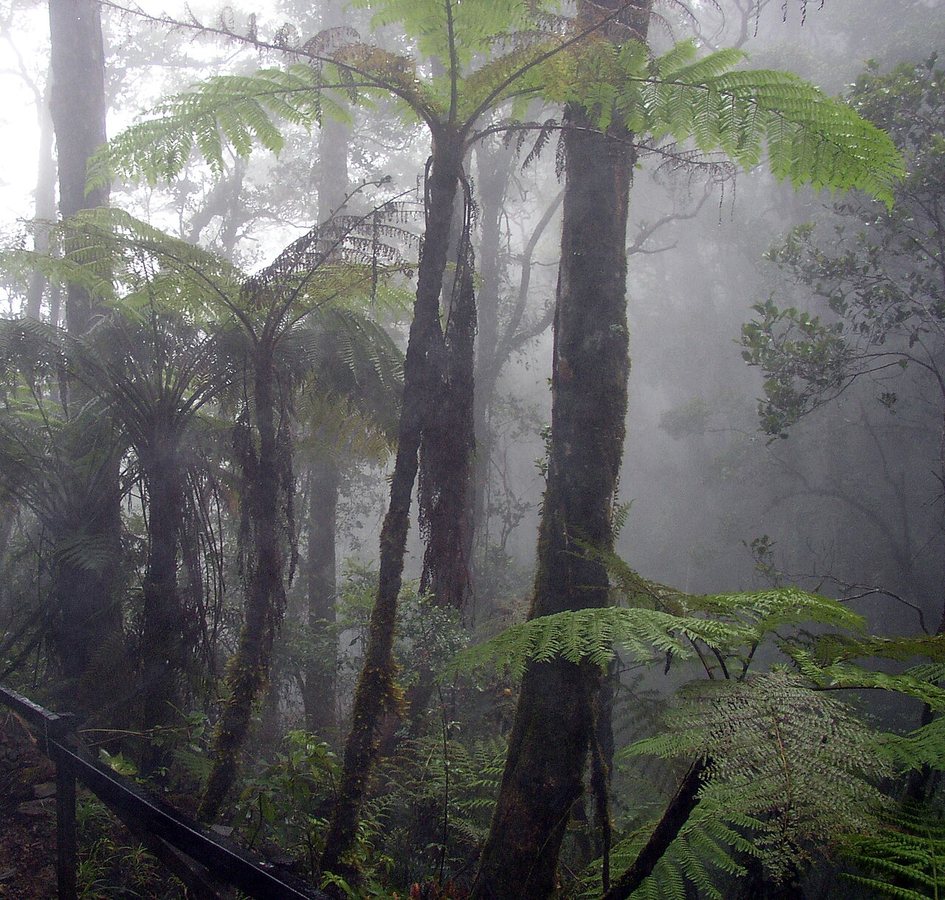
Thirty years after a US ornithologist first caught sight of the jocotoco antpitta in the cloud forests of the eastern Andes, the conservation foundation he established has grown into a global model for restoring biodiversity. The chance discovery of the elusive ground-dwelling bird in Ecuador led to the creation of the Jocotoco Foundation, which now protects hundreds of thousands of hectares of habitat and has inspired similar efforts around the world.
The jocotoco antpitta is a master of disguise, rarely emerging from the dense undergrowth of the cool, humid montane forests. On a recent morning at Tapichalaca Lodge, 2,500 metres above sea level, a guide, a local ranger and a visitor stood on a steep, muddy path waiting for the bird to appear. Such sightings remain difficult, but the species' discovery in the 1990s set off a chain of events that transformed conservation in the region.
After the initial sighting, the ornithologist recognized that the bird was new to science and that its habitat was under immediate threat. He moved quickly to buy land and establish a reserve, an approach that has since been replicated across Ecuador and beyond. The Jocotoco Foundation now manages a network of reserves that safeguard not only the antpitta but also countless other species that share its fragile ecosystem.
The foundation's work has become a case study in how a single species can serve as a catalyst for broader environmental protection. By focusing on the antpitta's immediate needs, the organization secured critical cloud forest habitat that supports a rich array of plants, insects, amphibians and birds. Over time, the effort expanded to include restoration, research and community engagement, demonstrating that targeted action can yield wide-ranging benefits.
Ecuador's montane cloud forests are among the most biodiverse habitats on Earth, but they are also highly vulnerable to deforestation, agricultural expansion and climate change. The Jocotoco Foundation's reserves act as buffers against these pressures, preserving corridors that allow wildlife to move and adapt. The model has been praised for its practicality and its emphasis on local partnerships, including the employment of rangers and guides from nearby communities.
Three decades on, the jocotoco antpitta remains a symbol of what can be achieved when a chance discovery is met with decisive action. The foundation's success has encouraged conservationists in other countries to adopt similar strategies, using flagship species to galvanize support and funding. As biodiversity losses accelerate worldwide, the lessons from Ecuador's cloud forests are more relevant than ever.
The story of the jocotoco antpitta shows that even a small, secretive bird can change the fate of an entire region. It also underscores the importance of long-term commitment: the foundation's work has endured because it combined scientific research with land protection and community involvement. For the visitors who still wait patiently on muddy paths, the bird's brief appearances are a reminder of what is at stake — and what has been saved.