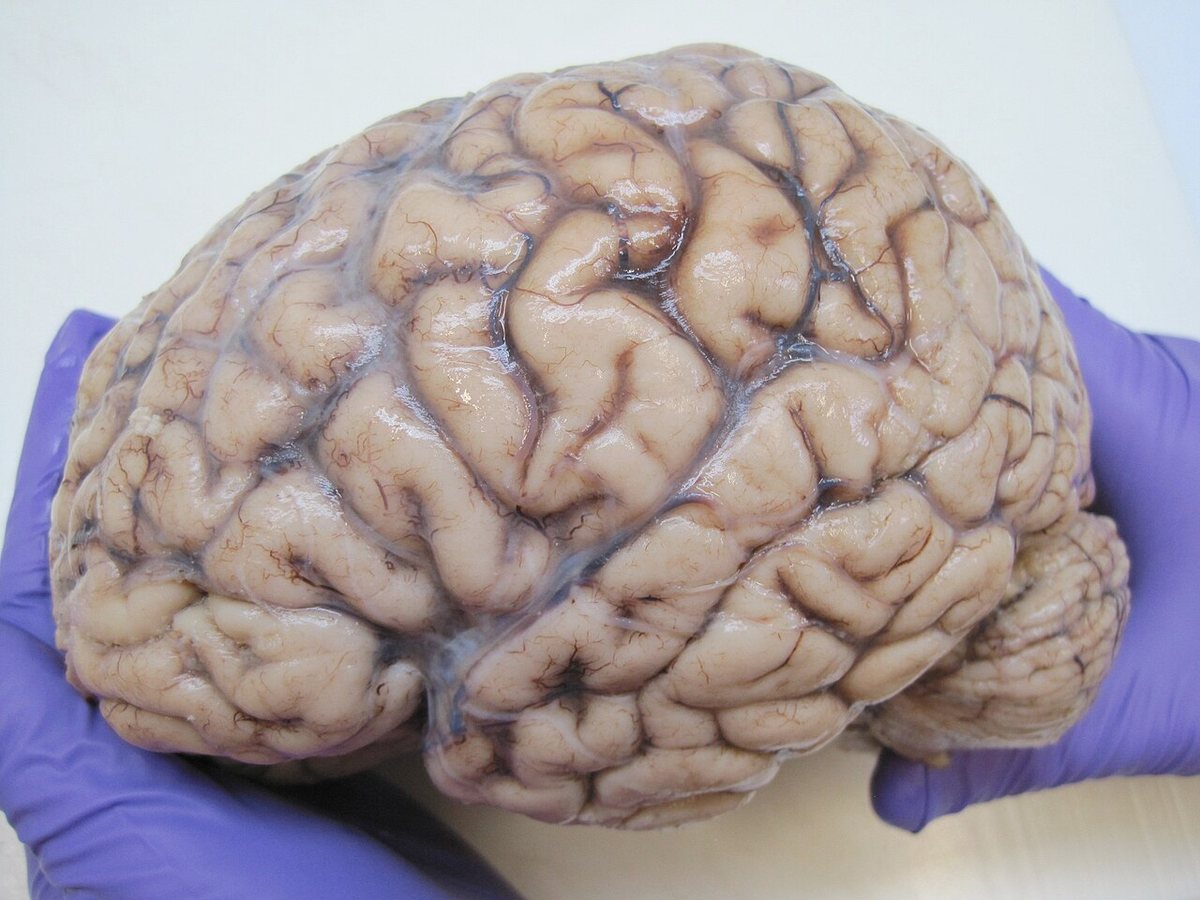
A large-scale molecular analysis of the adult human hippocampus has identified a stalled neurogenic process in major depressive disorder, providing new evidence that the brain's ability to generate new neurons is closely tied to the condition. The study, published in Nature Medicine, offers a detailed characterization of the hippocampus and points to cell- and circuit-specific mechanisms that may underlie impaired plasticity in depression.
Researchers conducted a multimodal molecular characterization of the adult human hippocampus, finding evidence that neurogenesis — the production of new neurons — continues into adulthood. In tissue from individuals with major depressive disorder, however, this process appeared to be halted. The findings suggest that depression is not solely a matter of neurotransmitter imbalance but involves fundamental disruptions in the brain's regenerative capacity.
The study identified genetic, epigenetic, stress, immune, metabolic and synaptic mechanisms that appear to contribute to impaired hippocampal plasticity. These mechanisms were found to be specific to particular cell types and neural circuits, offering a more granular view of how depression affects the brain than previous studies that treated the hippocampus as a uniform structure.
The authors say the work provides a framework for disease subtyping and therapeutic development. By distinguishing the molecular signatures associated with stalled neurogenesis, clinicians may eventually be able to identify which patients are most likely to benefit from treatments aimed at restoring hippocampal plasticity, rather than applying a one-size-fits-all approach.
Major depressive disorder is one of the leading causes of disability worldwide, yet its underlying biology remains incompletely understood. The hippocampus, a region critical for memory and emotional regulation, has long been known to be affected in depression, with imaging studies showing reduced volume in some patients. The new findings help explain that reduction at the cellular level, linking it to a failure of neurogenesis rather than simply to cell death.
The study's emphasis on multimodal characterization — combining genetic, epigenetic and other molecular data — reflects a broader trend in psychiatric research toward understanding mental illness as a biological phenomenon with multiple interacting causes. The authors suggest that stress and immune signaling, both of which are implicated in the stalled neurogenic process, may serve as targets for intervention.
While the findings are based on post-mortem brain tissue and cannot establish causation directly, they align with a growing body of evidence from animal studies showing that chronic stress suppresses neurogenesis in the hippocampus. The new work extends those observations to the human brain and identifies specific molecular pathways that could be modulated by existing or future drugs.
The framework proposed by the authors could also aid in subtyping depression, a condition that likely encompasses several distinct biological states with different causes and treatment responses. By mapping the molecular alterations present in individual cases, researchers may be able to stratify patients more effectively in clinical trials and eventually in practice.
The study was published online on September 3, 2026, in Nature Medicine.