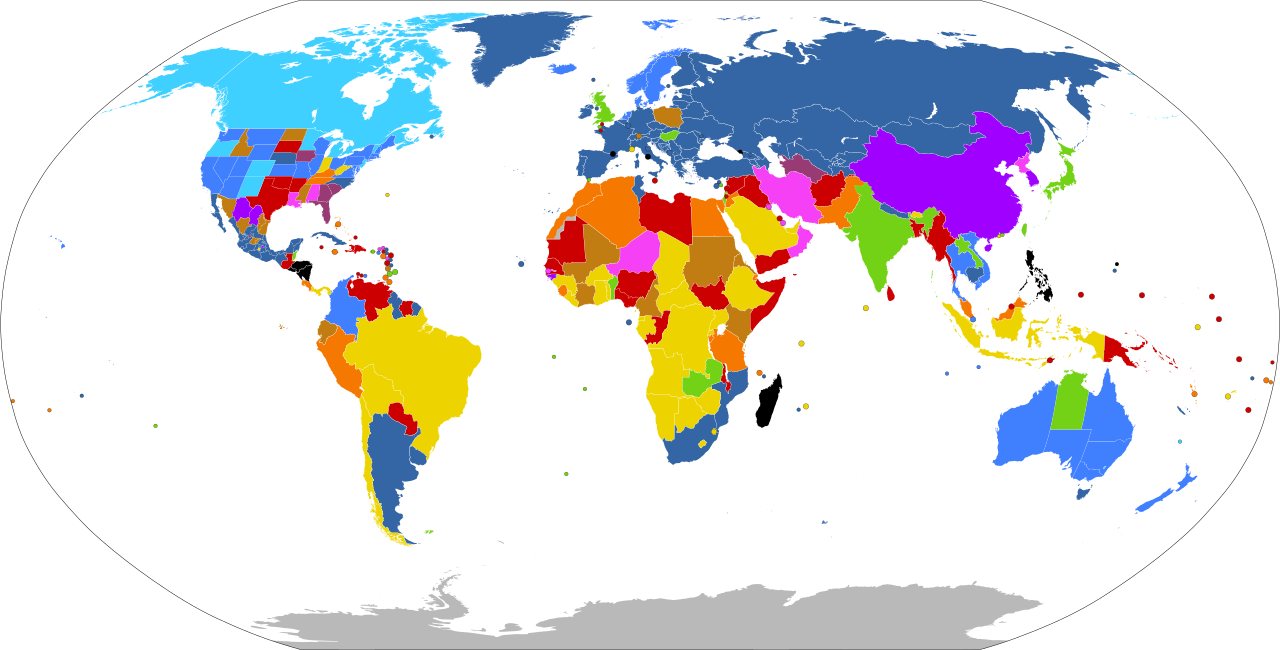
A High Court ruling that permits abortion only when a woman's life is in danger has reignited discussion about the gap between Dominica's abortion law and the actual availability of services on the island. The ruling, delivered on July 23, was the subject of a letter to the editor published this week, which argued that legal restrictions and practical access to care remain out of step.
The letter, signed by a member of the public, stated that the court's decision confirms that abortion is lawful only to save a woman's life. The author contended that this narrow exception leaves many women without clear legal options and that access to safe services remains limited in practice. The letter did not name any individual case but framed the issue as a matter of law versus access to service.
Under the current legal framework, abortion is permitted only when necessary to preserve the life of the pregnant woman. The High Court ruling reaffirmed that position, rejecting a broader interpretation that would have allowed abortion in cases of rape, incest, or serious fetal abnormality. The court's decision means that anyone seeking an abortion outside the life-saving exception could face legal consequences.
The letter to the editor argued that even where the law allows abortion to save a life, women may still struggle to obtain the procedure because of a lack of trained providers, limited hospital capacity, and social stigma. It called for clearer guidelines for medical professionals and better information for the public about what is legally permitted.
No government minister has issued a public statement on the ruling. The Ministry of Health has not commented on whether it plans to review protocols for hospitals and clinics. The Office of the Director of Public Prosecutions has also not indicated whether it will issue guidance on enforcement.
Dominica's abortion law has not been substantially amended in decades. Previous attempts to open debate on the subject have stalled in the House of Assembly, with both government and opposition members avoiding public commitment on the issue. The High Court ruling is likely to keep the matter in public view, particularly among health professionals and civil society groups.
The letter to the editor is one of several recent contributions to the national conversation on reproductive health. It does not represent the position of this publication. The author's central claim is that the law on abortion and the reality of access to service are two different things, and that the court's ruling has done little to close that gap.
For now, the practical effect of the ruling is that the legal position remains unchanged. Women who need an abortion to save their life may still face barriers in obtaining one, and those who seek the procedure for other reasons remain outside the protection of the law. The debate over whether that should change is likely to continue.