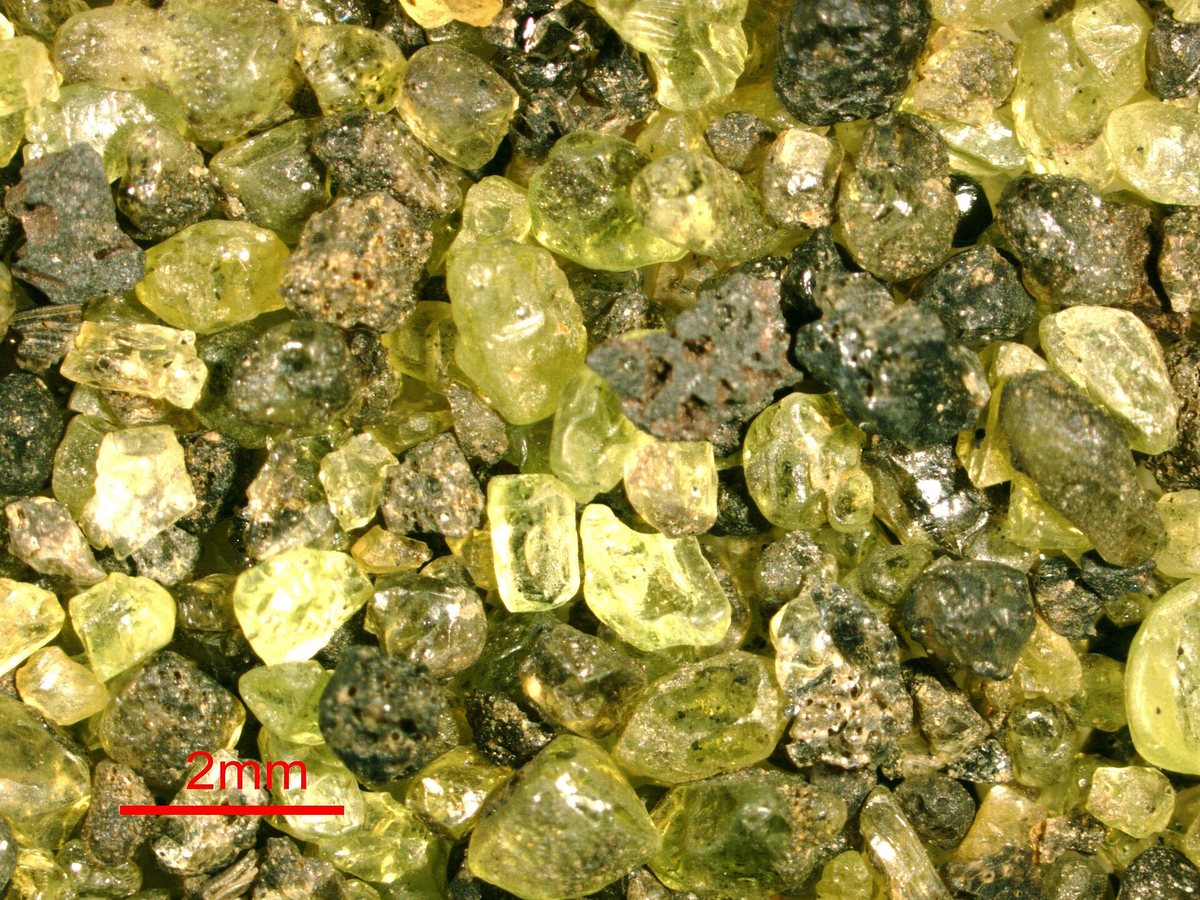
One proposed route for removing carbon dioxide from the atmosphere is to speed up a natural geological process: the weathering of silicate minerals. A new study adds synthetic biology to that idea. Researchers engineered the marine bacterium Alteromonas macleodii to produce more siderophores, molecules that bind metals, and found that the modified microbes accelerated the dissolution of olivine by about 2.6 times.
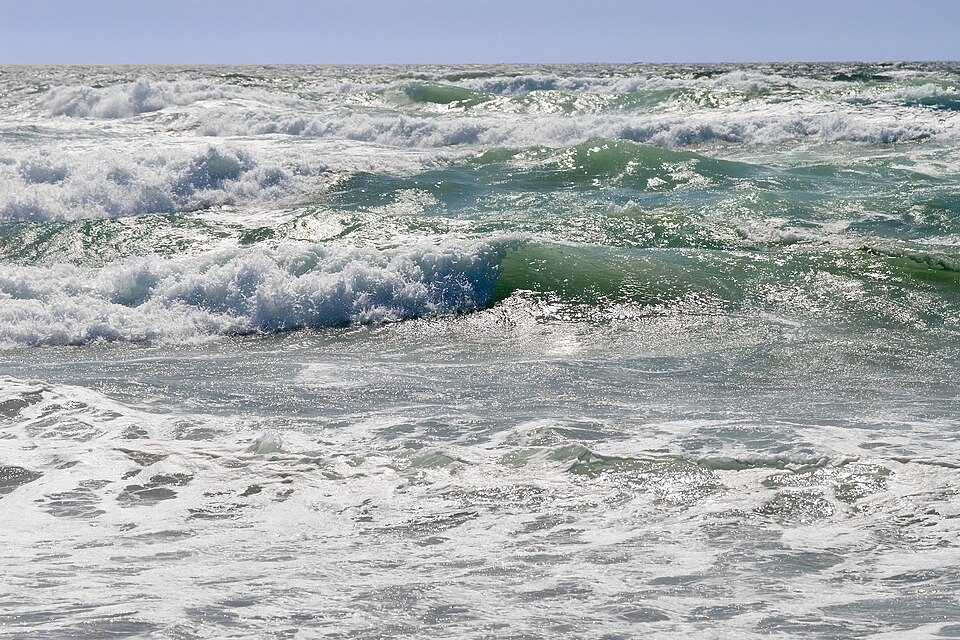
Olivine weathering consumes acidity and can increase seawater alkalinity. More alkaline seawater can hold additional dissolved inorganic carbon, creating a chemical gradient that allows the ocean to take up more CO2 from the air. Natural weathering performs this function slowly over geological time. Enhanced weathering strategies aim to accelerate it by grinding minerals, spreading them in reactive environments or otherwise increasing their dissolution rate.
The engineered bacteria attack a bottleneck in that process. Siderophores help microbes acquire iron, and their metal-binding chemistry can also promote mineral dissolution. By increasing siderophore production, the researchers created a biological catalyst for weathering without needing to change the mineral itself. Pilot experiments in continuous bioreactors using unprocessed seawater showed measurable alkalinity generation under more realistic conditions than a simple laboratory flask.
The approach is still far from an ocean-scale carbon-removal technology. Growing engineered bacteria requires nutrients and energy, and producing, grinding and transporting olivine also carries emissions. The study's life-cycle analysis is therefore crucial: under inefficient, nutrient-intensive scenarios, the process can lose much of its climate value or even create additional emissions. Cleaner energy and carefully designed feed systems improve the balance.
Ecological containment is another challenge. Alteromonas is a common marine genus, but releasing genetically modified organisms into open waters would raise regulatory and environmental questions. A practical system might instead keep the microbes inside controlled reactors and circulate seawater through them, allowing engineers to collect biomass and monitor chemistry before water is returned to the ocean.
Mineral composition also matters. Olivine can contain trace metals, including nickel, that may be released during dissolution. Any large-scale project would need to track those elements and demonstrate that local ecosystems are not exposed to harmful concentrations.
The study's importance is therefore not that bacteria have solved carbon removal. It shows that biological engineering can change the kinetics of a geochemical reaction central to enhanced weathering. The next question is systems engineering: whether the faster chemistry remains beneficial after accounting for energy, nutrients, mineral supply, ecological safeguards and cost. Carbon removal works only if the full process removes more CO2 than it creates.