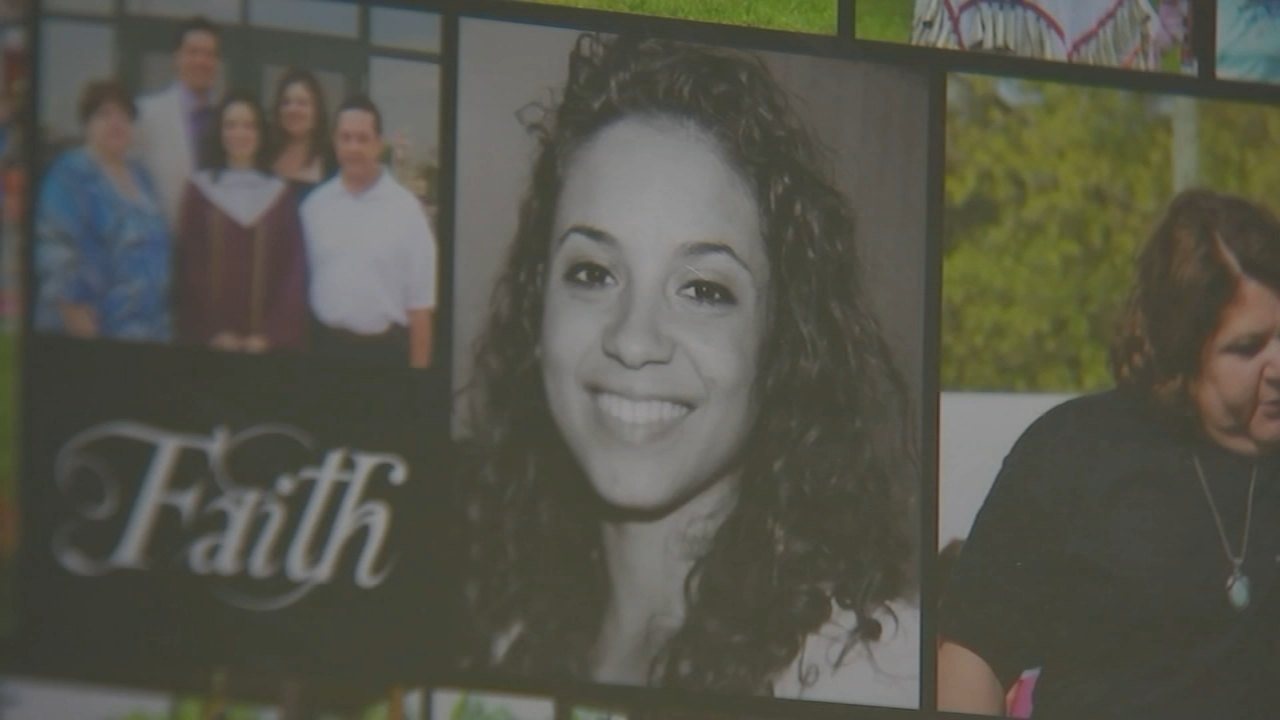
Jury selection in the long-delayed murder trial of Miguel Salguero Olivares continued Tuesday with attorneys for both sides still unable to fill the remaining alternate juror seats, the latest procedural hurdle in a case that has gripped North Carolina for more than a decade.
Several more prospective jurors were dismissed Tuesday morning as prosecutors and defense lawyers questioned candidates about their ability to serve impartially in the trial over the 2012 killing of Faith Hedgepeth, a University of North Carolina at Chapel Hill student. The slow pace of filling the alternates comes after eight days of jury selection that ultimately seated a main panel, according to local reports.
Hedgepeth, 19, was found dead in her off-campus Chapel Hill apartment in September 2012. Her death was ruled a homicide, and the case remained unsolved for years, generating intense public interest and periodic bursts of speculation about who might have been responsible. Authorities charged Salguero Olivares in 2021 after what investigators described as advances in DNA analysis and other forensic work.
The trial has been repeatedly postponed since then, with pretrial motions and evidentiary disputes delaying the start of proceedings. Jury selection alone has now stretched across multiple days, a reflection of both the case's notoriety and the difficulty of finding jurors who have not already formed an opinion about it.
Alternate jurors are seated in addition to the main panel and are expected to step in if a regular juror is dismissed during trial because of illness, hardship, or other reasons. Their selection often takes longer than expected when a case has received heavy publicity, because attorneys on both sides scrutinize candidates for signs of bias.
The questioning Tuesday focused on prospective alternates, with several dismissed before they could be seated. No timeline has been announced for when the alternates will be finalized or when opening statements will begin.
The case has drawn national attention, in part because Hedgepeth was a young student with a wide circle of friends and because the investigation spanned years and multiple law enforcement agencies. Her family has waited through repeated court delays for a resolution.
Salguero Olivares has been held in custody while awaiting trial. The specific evidence that prosecutors intend to present has not been fully aired in open court, and the defense has signaled it will contest the state's case.
For now, the immediate focus remains on completing the jury. Until the alternate seats are filled, the trial cannot move forward to opening arguments and witness testimony. Court officials have not indicated whether additional jury candidates will be summoned or whether the existing pool will be exhausted first.
The next steps will depend on how quickly attorneys can agree on the remaining alternates. If the current pool proves insufficient, the court may need to call in more prospective jurors, further extending a selection process that has already consumed more than a week.