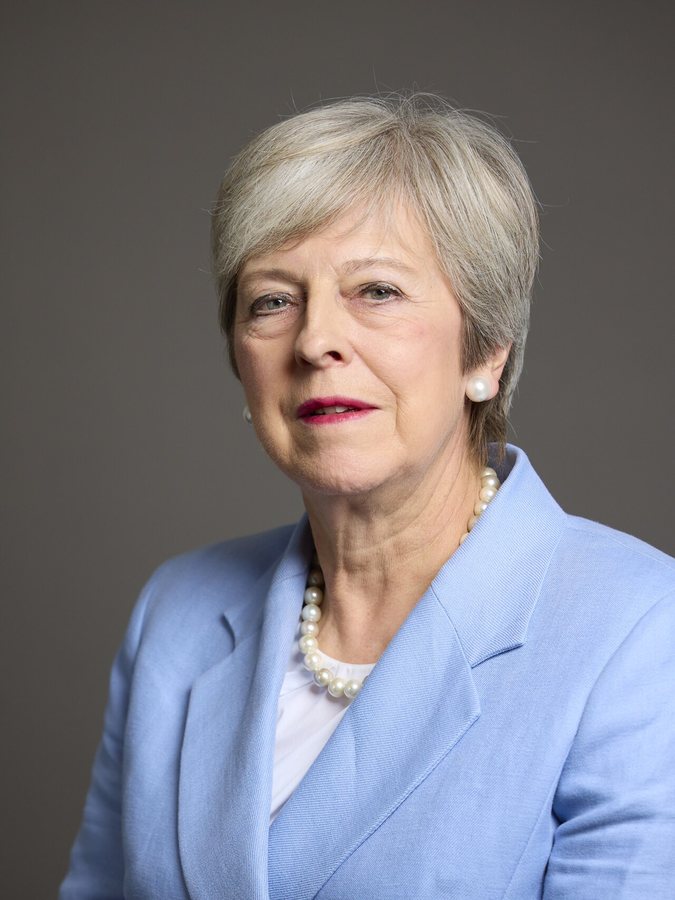
Theresa May, Britain's second female prime minister, turns 70 on 1 October 2026. Born in Eastbourne, Sussex, in 1956, she spent her early years in Oxfordshire, where her father was an Anglican vicar. She read geography at St Hugh's College, Oxford, and later worked at the Bank of England before entering politics. Her career has spanned more than three decades in public life, including six years as home secretary and three years as prime minister.
May was first elected to Parliament in 1997 as the Conservative MP for Maidenhead. She quickly gained a reputation for diligence and a willingness to challenge her own party. Between 2002 and 2003, she served as the first female chairman of the Conservative Party, famously telling activists that they were seen as the «nasty party» and needed to change. Under David Cameron, she became home secretary in 2010, a role she held for six years — one of the longest tenures in modern British history. During that time, she oversaw significant reforms to policing, immigration, and counter-terrorism, though her record was also marked by controversy over the Windrush scandal and cuts to police budgets.
In July 2016, following the UK's vote to leave the European Union and David Cameron's resignation, May became prime minister. She was the second woman to hold the office, after Margaret Thatcher. Her premiership was dominated by Brexit negotiations. She triggered Article 50 in March 2017 and called a snap general election, which resulted in a hung parliament and forced her to rely on a confidence-and-supply agreement with the Democratic Unionist Party. Her withdrawal agreement with the EU was rejected three times by Parliament, and she resigned as prime minister in July 2019. She remained an MP until 2024, when she stood down at the general election.
Since leaving Downing Street, May has continued to campaign on issues she championed in office, particularly modern slavery and human trafficking. She chairs the Global Commission on Modern Slavery and Human Trafficking and has spoken out about the need for international cooperation. She has also been a vocal advocate for better mental health support and for tackling loneliness, having appointed the world's first loneliness minister in 2018. In 2023, she was made a life peer, taking the title Baroness May of Maidenhead, and she sits in the House of Lords.
May's legacy remains contested. Supporters praise her resilience, her commitment to public service, and her efforts to address social injustices. Critics point to her handling of Brexit, her record on immigration, and the divisions within her party that ultimately ended her premiership. At 70, she remains a significant figure in British public life, and her career offers a case study in the challenges of leadership during a period of profound political change.