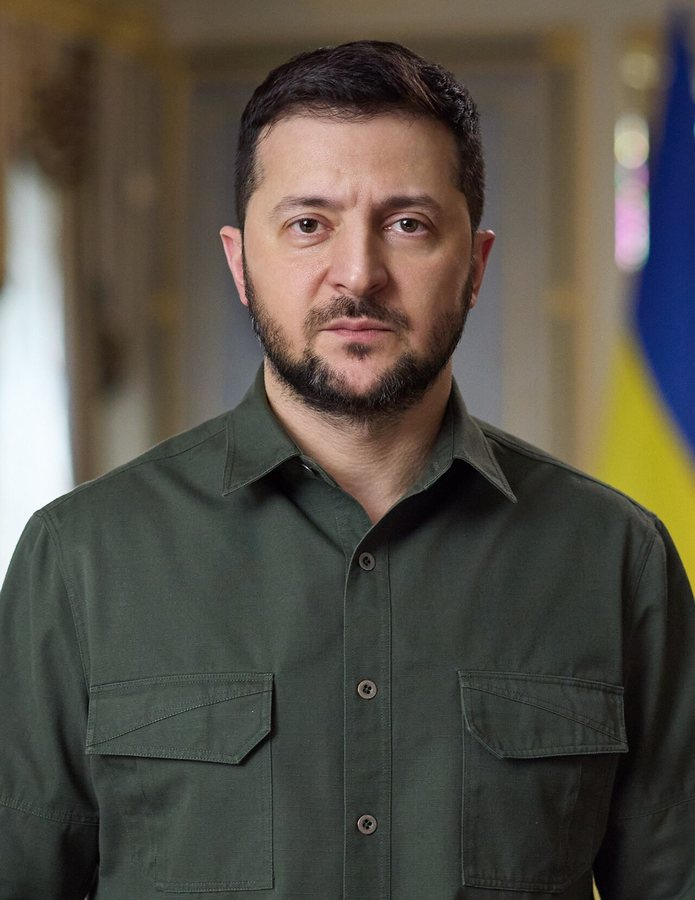
Ukrainian President Volodymyr Zelenskyy and United States special envoy Jared Kushner have announced that European representatives will take part in future peace negotiations with Russia. Russian President Vladimir Putin has reportedly agreed to European participation, but he has kept his territorial demands and rejected the deployment of foreign peacekeeping troops in Ukraine.
The announcement, as reported, is brief and leaves many practical questions open. No timing or venue for the talks has been confirmed, and the reporting does not specify which European representatives would take part or what roles they would play. It is also unclear whether Russia's stated positions will shift once negotiations begin, and the available material does not include any formal statement from the Russian government setting out the terms of Moscow's acceptance.
The central point of disagreement remains Moscow's position on territory. By refusing foreign peacekeeping troops in Ukraine, Putin has ruled out one of the mechanisms that Kyiv and its Western partners have discussed as a way to make any settlement durable. Agreement to European participation, by contrast, suggests that Moscow is willing to widen the table even while holding firm on its core demands. The distinction matters: a seat for European representatives does not by itself resolve the question of which lines Ukraine would be asked to accept.
For Ukraine, the presence of European representatives at future talks would add partners with a direct stake in continental security, and it reflects Kyiv's effort to keep its allies closely involved in any negotiated outcome. The inclusion of Europe also places the process within a framework that Ukraine's partners have long argued should shape any settlement, rather than leaving it to a bilateral arrangement between Washington and Moscow.
For Canada, which has supported Ukraine politically and through sustained assistance, developments in the negotiations bear on broader questions of European stability and on the terms on which the war might end. Canadian readers following the process should note that the announcement does not yet describe what any agreement would contain, only who would be in the room. Further details on the timing, participants and substance of the talks are expected to emerge as the process takes shape, and the positions of Ukraine, Russia and their partners will become clearer as those details are confirmed.