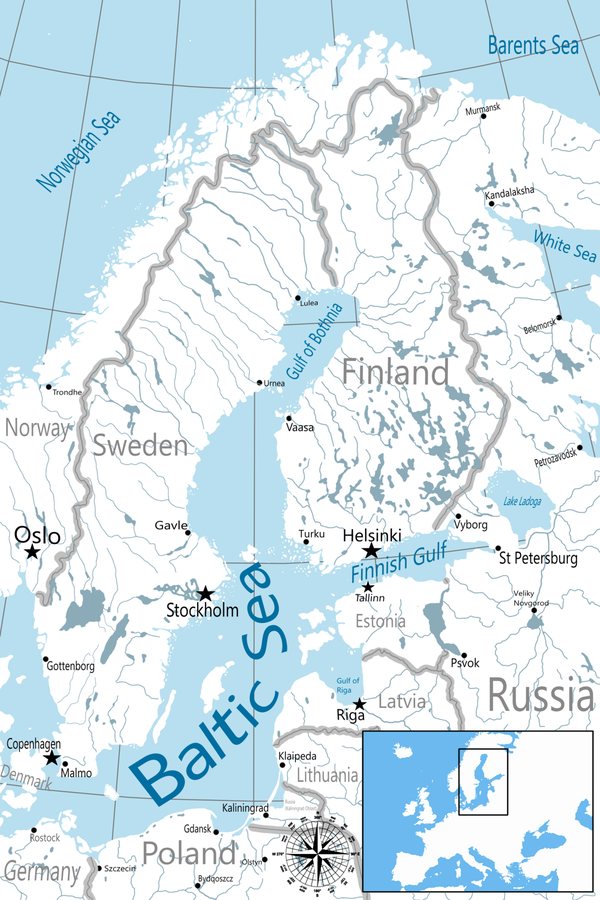
The Baltic Sea is emerging as a living laboratory for the effects of climate change, with warming waters, proliferating algal blooms and expanding dead zones offering a stark preview of what other marine ecosystems may face in the coming decades. The shallow, semi-enclosed sea in Northern Europe is particularly vulnerable to human activity, and scientists are watching its rapid transformation as a warning sign for oceans globally.
According to a reportage on the Baltic, the sea is being profoundly disrupted by a combination of rising temperatures and human pressures. Its fragile environment is already showing the hallmarks of climate stress: warmer waters that alter species distribution, nutrient runoff that fuels massive algal growth, and oxygen-depleted dead zones that suffocate marine life. These changes are not isolated to the Baltic but are expected to unfold in other seas and oceans as global warming accelerates.
The Baltic Sea's geography makes it especially susceptible. It is relatively shallow, connected to the ocean only through narrow straits, and surrounded by heavily industrialized and agricultural regions. These factors trap pollutants and heat, creating conditions where environmental degradation happens faster and more visibly than in open oceans. As a result, the sea serves as an early warning system for the ecological shifts that may soon affect coastal waters elsewhere.
Algal blooms have become a recurring problem in the Baltic, fed by excess nitrogen and phosphorus from farming and wastewater. When these blooms die off, their decomposition consumes oxygen, creating dead zones where fish and other organisms cannot survive. Climate change intensifies this cycle: warmer water holds less oxygen, and higher temperatures can trigger more frequent and intense blooms. The reportage notes that these dead zones are expanding, threatening fisheries and biodiversity.
For the communities that depend on the Baltic for fishing, tourism and recreation, the changes carry direct economic and cultural consequences. The sea has long been a vital resource for countries such as Sweden, Finland, Poland, Germany and the Baltic states. As its health declines, so too does the livelihood and heritage tied to its waters. The reportage frames the Baltic as a case study in how human activity — from agriculture to industry to climate emissions — reshapes marine environments.
Scientists studying the Baltic say its fate is not inevitable. Reducing nutrient runoff and cutting greenhouse gas emissions could slow the damage, but the trends point in the opposite direction. The sea's decline illustrates the interconnectedness of climate, land use and marine health, and it underscores the urgency of addressing root causes rather than treating symptoms.
The Baltic's transformation is a reminder that climate change is not a distant future scenario but a present reality. As the reportage makes clear, this northern European sea is already living through the changes that other marine ecosystems will likely confront. Its story is one of fragility and upheaval, and it offers lessons that extend far beyond its shores.