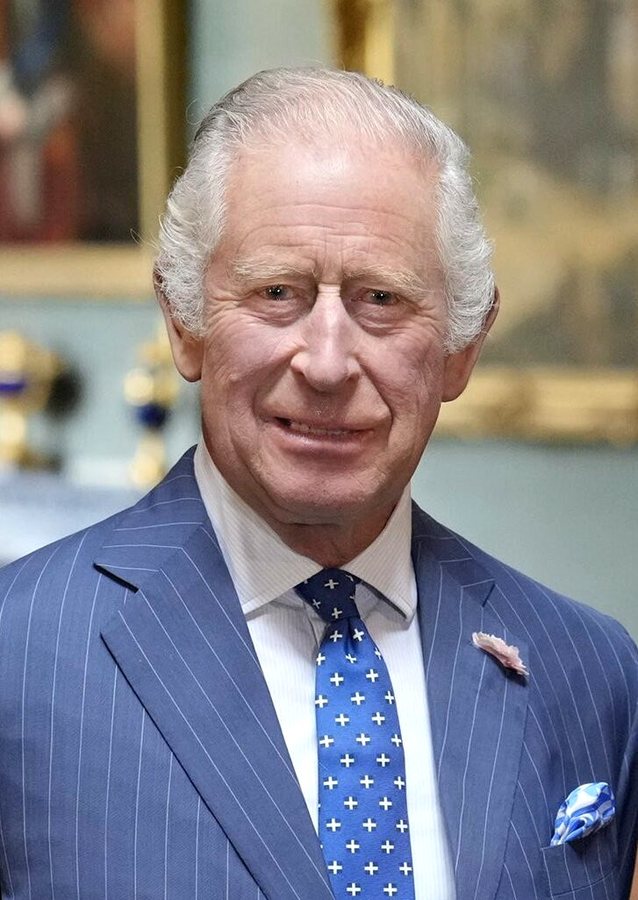
King Charles is facing sustained protests and growing calls for reparations during his nine-day tour of the Bahamas, Antigua and Guyana. The visit, the first by the British monarch to the Caribbean archipelago in more than 50 years, has drawn campaigners who say the pressure will only intensify as the tour continues.
The king remains head of state in six Caribbean Commonwealth countries. Some commentators have described the tour as a significant risk to his position in those realms, arguing that the reparations debate is moving the question of the monarchy's future in the region closer to a decisive point. In the Bahamas, a youth rally attended by schoolchildren gave the royal visit a warm welcome as the sun set over Nassau's Western Esplanade. Even so, the wider debate over slavery and compensation has continued alongside the official programme, and the contrast between the crowds at public events and the demands of activists has become one of the defining features of the tour.
At the Commonwealth summit in Antigua, protesters chanted « Reparations now » as the king and Andy Burnham faced demonstrators. The protests have focused on the historical role of the British state and its institutions in slavery and its legacy, and on demands that compensation be paid to the descendants of enslaved people. Protesters have argued that a royal visit, however warmly received, does nothing on its own to address those demands, and that the monarchy cannot be separated from the colonial system in which the Crown was the sovereign authority.
The debate has also reached inside Britain. Andy Burnham has argued that British people cannot be made to pay for the wrongs of slavery, but that the country must confront its complicated history. Separately, the fight over a proposed £100m slavery compensation fund linked to the Church of England has drawn lobbying and legal activity, with critics and supporters both pressing their case in public. The same period has seen Barack Obama pay tribute to Manchester cotton workers, who have been cited as an inspiration in discussions about the links between British industry and the transatlantic trade in enslaved people.
Supporters of the royal visit have stressed the warmth of public receptions and the ties of the Commonwealth, pointing to the schoolchildren and crowds who turned out to greet the king. Critics counter that ceremonial engagement does not answer the question of redress, and that each public appearance gives the reparations movement a new platform. The contrast between those two readings is shaping how the tour is being reported across the region.
The tour continues in Guyana, where the reparations question is expected to remain a visible feature of the king's engagements across the three countries. Whether the protests translate into formal moves to end the monarchy's role in the remaining realms is not yet clear, but the visit has placed that question firmly on the public agenda in the Caribbean.