Football has red carpets without red carpets. The arrivals happen on team buses, the costumes are kits, the premieres are kick-offs and the celebrity gossip is called the transfer window.
The comparison sounds playful until the money is counted. Deloitte says the 20 highest-revenue football clubs generated €12.4 billion in 2024/25. Commercial income — sponsorship, retail and other brand activity — reached €5.3 billion, more than broadcast or matchday revenue.
The biggest clubs are no longer businesses that open a stadium every other weekend. They are entertainment brands with daily content, celebrity talent, global licensing and physical venues designed to make money even when no match is being played.
The stars are real, but so is the competition
Movie studios cast actors because audiences follow names and faces. Football does the same thing indirectly through recruitment.
FIFA says men’s professional clubs spent a record $13.08 billion on international transfer fees in 2025. Men’s clubs also paid $1.37 billion in service fees to club agents on international transfers. A top player can attract audiences, sponsors, shirt buyers and social-media attention before kicking a ball for the new club.
But that star system has a built-in risk Hollywood does not face. A famous actor can still perform the scene written for them. A famous striker can miss. A goalkeeper can make an error. A coach can bench the biggest name. The celebrity is valuable, yet the sporting product refuses to guarantee the celebrity a happy ending.
That tension is a feature, not a bug.
Football is the series that writes itself live
Researchers studying close to 50,000 minute-by-minute Premier League television audience observations found that suspense and surprise helped drive viewing demand. “Shock” — the difference between what pre-match probabilities implied and what the match was producing — also mattered.
That is the reason football can compete so effectively in an era of endless streaming. A scripted series can be watched tomorrow. A football match loses much of its emotional value once the score is known.
The Premier League’s current UK broadcast package illustrates the price of that live urgency. The four-year cycle from 2025/26 to 2028/29 was reported at £6.7 billion. Sky Sports has at least 215 live games per season and TNT Sports 52.
Football is effectively a long-running global franchise in which each episode is live, every season refreshes the cast and even the producers do not know the final scene.
Fans are more than an audience
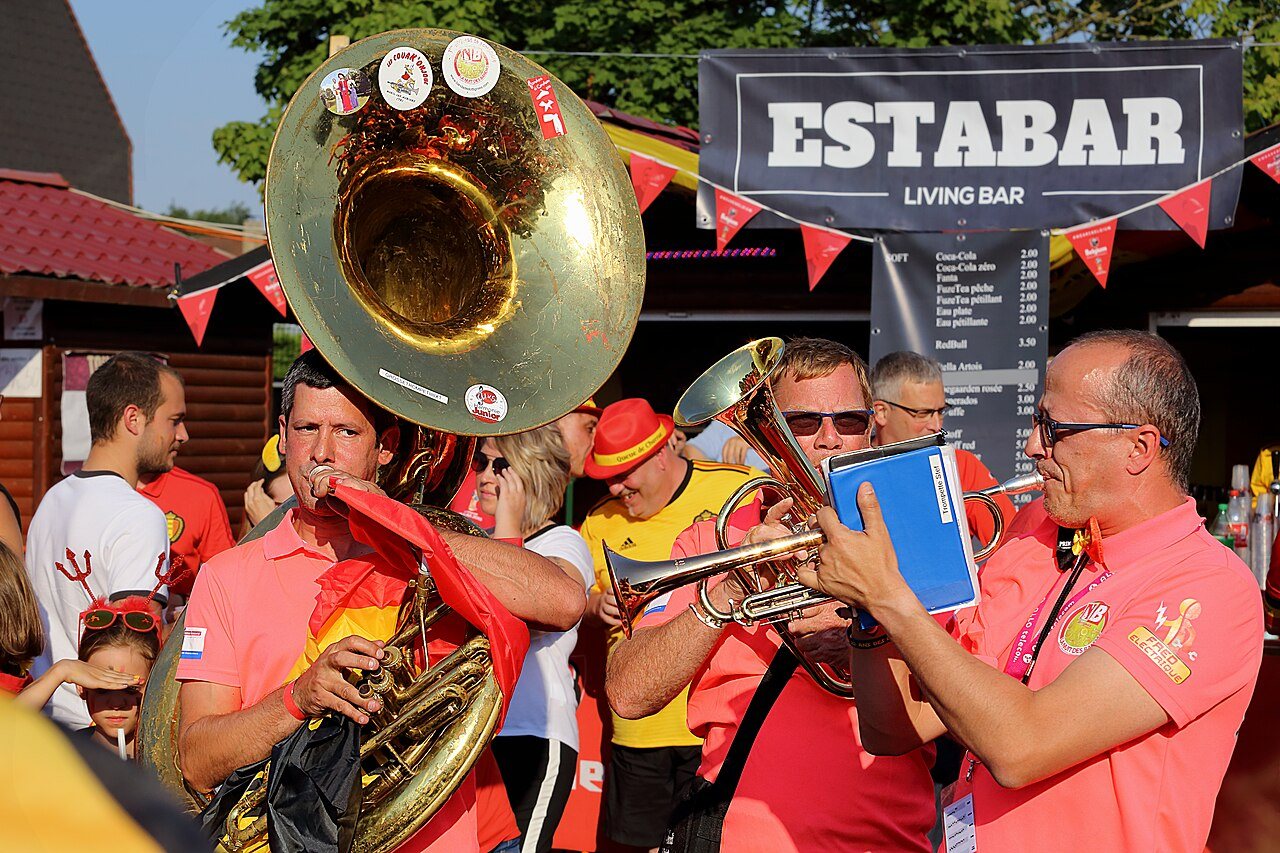
The other advantage is that supporters do not relate to clubs like ordinary viewers relate to shows. Football loyalty is social identity.
A famous 1976 study found students wore more university-identifying clothing after their football team won and were more likely to say “we” about victories. A 2026 European study found that fans could even identify with a wider European community of supporters alongside their local club and national identities.
That changes the economics of fandom. A TV viewer can drop a bad show. A supporter may remain through bad seasons because the club is tied to family, city, friends and memory. Entertainment companies dream of that level of retention.
Clubs increasingly monetise it like entertainment companies. Deloitte points to restaurants, hotels, breweries, hospitality and non-matchday events around stadiums. The badge stretches from the pitch into clothing, travel, food, video and social platforms.
The danger is obvious. If a club treats belonging only as a wallet to be emptied, supporters can rebel because the relationship claims to be more than commercial. The business works precisely because fans believe the club represents something that cannot be purchased.
That is why football has not simply become show business. It has built a show-business layer around a deeper social institution. The celebrity machine, sponsorships and content strategy are modern. The emotional raw material — “our club”, “our people”, “our night” — is much older.
Hollywood can create superheroes. Football can create a hero at 9:47 p.m. and turn him into a villain five days later, without anyone writing either role. That unscripted instability is what keeps the star system alive.