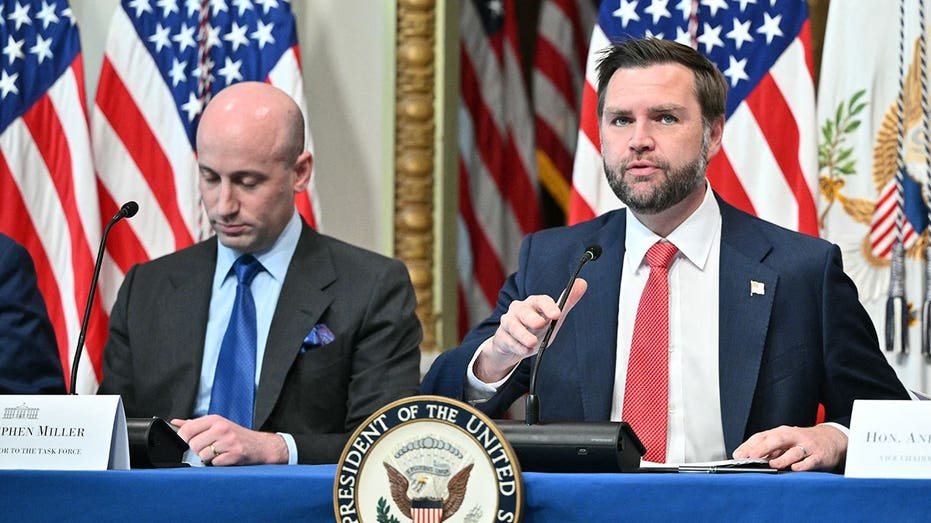
Vice President JD Vance has called on Congress to pass what the White House describes as transformative anti-fraud legislation, saying the federal task force he leads has identified $230 billion in suspected fraud. Speaking at a roundtable with lawmakers on Wednesday, Vance said the effort has also stopped $56 billion in fraudulent payments that would otherwise have gone to fraudsters rather than to people in need.
Vance chairs President Donald Trump’s Task Force to Eliminate Fraud. At the White House event, he argued that the next stage in the fight requires legislation, particularly new rules forcing state and federal governments to share data. Without those rules, he said, the federal government cannot fully see who receives taxpayer-funded benefits.
His remarks focused on the Supplemental Nutrition Assistance Program, known as SNAP. Vance said that when the federal government sends money to states for food assistance, it has no visibility into who ultimately receives those benefits. He pointed to California as an example, saying that if the state provided food stamp benefits to people living in the country illegally or to violent criminals, the federal government would not know, and sometimes states themselves would not know either.
To close that gap, Vance said Congress should approve legislation that requires data sharing between state and federal authorities. He also floated the idea of tougher sentencing for individuals convicted of fraud.
White House deputy chief of staff for policy and Homeland Security advisor Stephen Miller backed the call for harsher penalties, urging strict, clear mandatory minimums. He said people convicted of fraud should receive a very substantial prison sentence. Miller described such a change as potentially watershed, arguing that the Justice Department could deter millions of potential offenders by prosecuting a few hundred or thousand cases a year.
The administration’s push comes as federal prosecutors step up action against benefit fraud. The Justice Department recently charged 19 defendants in an alleged $4 million Medicare and Medicaid fraud scheme in Philadelphia. A top federal prosecutor has also described California as a «fraudster’s paradise» and warned that state officials could face charges over their handling of benefit programs.
Vance convened the roundtable with lawmakers as part of a broader effort to turn the task force’s findings into legislation. Administration officials argue that stronger enforcement tools combined with mandatory penalties would help protect funds intended for Americans in need and chill fraudulent conduct across benefit programs. The roundtable was part of an effort by Vance to bring Congress to the White House and discuss legislative action on fraud.