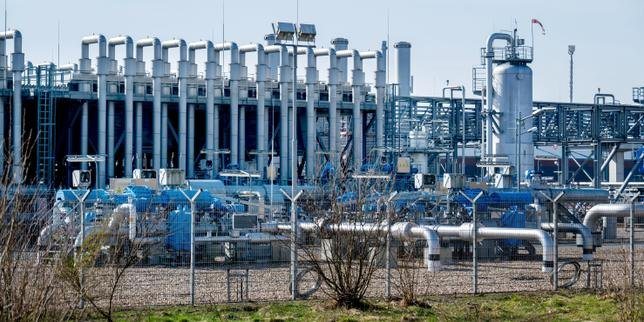
European natural gas storage facilities are entering the winter season with reserves at their lowest levels in years, prompting warnings that the continent could face the cold months without an adequate safety buffer. The situation has drawn attention to the fragility of Europe's energy supply network and its continued exposure to market volatility.
According to industry data, storage sites across the European Union have been depleted faster than usual during the past year, with refill efforts struggling to keep pace with consumption. The shortfall is particularly pronounced in Germany, where the Etzel storage facility in Friedeburg, Lower Saxony, has become a focal point of concern. Energy analysts note that the current trajectory leaves little room for error if a prolonged cold snap increases demand beyond normal seasonal patterns.
The low storage levels have already begun to affect wholesale markets, with natural gas prices climbing to their highest point in three years. The price surge reflects growing anxiety among traders and utilities about supply adequacy, especially as the region competes with other global buyers for liquefied natural gas cargoes. Households in several member states have been warned that the current market conditions could translate into higher energy bills during the winter months.
Industry observers point to a combination of factors behind the depleted reserves. Reduced pipeline deliveries from traditional suppliers, increased competition for LNG shipments from Asian markets, and infrastructure bottlenecks within Europe have all contributed to the shortfall. Additionally, some countries have been slower than others to implement mandatory storage targets, leaving the overall system more vulnerable to disruption.
The situation has renewed debate about the bloc's long-term energy strategy. While European institutions have pushed for accelerated investment in renewable capacity and demand-reduction measures, critics argue that the transition has not progressed quickly enough to offset the loss of reliable baseload supply. Storage operators have called for clearer policy signals and earlier procurement timelines to avoid repeating the current predicament in future years.
For the immediate term, much depends on weather conditions over the coming weeks. A milder autumn would allow continued refilling efforts and ease some of the pressure on prices. However, forecasters caution that the margin of safety is thin, and any significant disruption to remaining supply routes could expose the region to further price spikes and potential supply interruptions. The coming months will test whether Europe's energy infrastructure can withstand the strain without resorting to emergency measures.