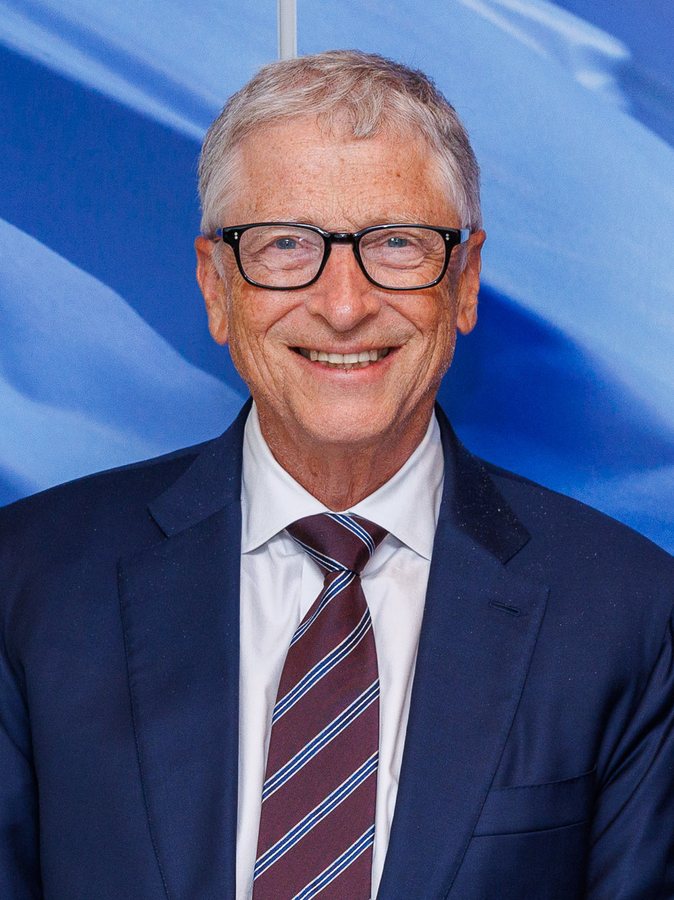
Bill Gates, the co-founder of Microsoft, is turning 71, a milestone that invites a review of a career that helped shape the modern personal computer industry and, in later decades, global public health and philanthropy. The date falls on October 28, according to the event record supplied for this story, and the coverage available to Cronkite is limited to the fact of the anniversary and the broad outline of his life and work.
Gates co-founded Microsoft with Paul Allen in 1975, and the company went on to build software that became central to personal computing. As its chief executive and later chairman, Gates oversaw the company's expansion into one of the largest and most influential technology firms in the world. His work made him one of the best-known business figures of the late twentieth and early twenty-first centuries, and the company's products became a fixture in offices and homes across the United States and abroad.
In 2000, Gates and his wife, Melinda, established the Bill and Melinda Gates Foundation, which has become one of the largest private charitable organizations in the world. The foundation focuses on global health, poverty reduction, and education, with programs aimed at diseases that disproportionately affect low-income countries. Its work spans vaccine development, agricultural research, and efforts to improve access to basic services in developing regions, areas that have drawn sustained attention from international health bodies and governments.
After stepping back from day-to-day responsibilities at Microsoft, Gates devoted more of his time to the foundation and to public commentary on health and climate. He has written and spoken publicly about the need for investment in scientific research and about the role of technology in addressing global challenges, positions that have kept him present in debates on those issues long after his departure from the company's daily management.
The anniversary also offers a moment to consider how a single career can span two very different phases of public life. The first, built on software and corporate leadership, made Gates a symbol of the technology boom. The second, built on philanthropy and advocacy, has shifted the focus of his public role toward health, development, and the question of how private wealth can be directed toward public goods. Both phases have drawn praise and criticism, and both continue to shape how his name is discussed as he reaches this age.