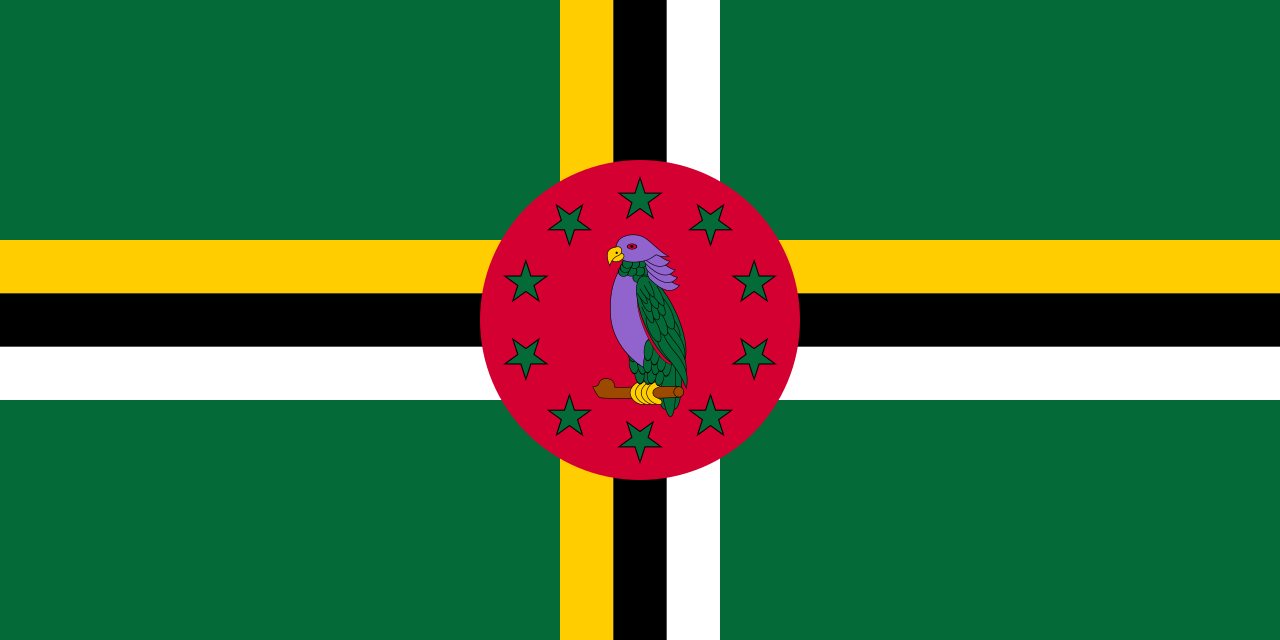
Dominica has closed Creole Heritage Month with Jounen Kwéyòl observances across the island, bringing communities together to celebrate the Creole language, cuisine, music and traditions that shape Dominican life.
The final Friday of October is traditionally set aside for Jounen Kwéyòl, when villages and towns host cultural displays, Creole food fairs, traditional games and performances in kweyol. Schools, churches and community groups take part, and many Dominicans at home and in the diaspora mark the day by speaking kweyol and preparing traditional dishes.
Creole Heritage Month runs through October and is organised around a series of events that build towards the final Friday. The month is widely observed in Dominica and across the French Creole-speaking Caribbean, where similar observances are held in Saint Lucia, Haiti, Martinique, Guadeloupe and other territories.
In the Kalinago Territory, the day carries particular significance. The Kalinago people have maintained their own language and cultural practices alongside the broader Creole heritage of the island, and Kalinago communities have long participated in Jounen Kwéyòl with dance, craft and storytelling.
Cultural officials have consistently described the month as an opportunity to pass the language to younger Dominicans. Kweyol is spoken widely across the island, though its everyday use has declined in some settings, and educators have supported its inclusion in schools and community programmes.
Music forms a central part of the celebrations. Bouyon, calypso, and traditional Creole rhythms feature at events, and the World Creole Music Festival, held annually in Dominica, draws on the same cultural tradition. The festival remains one of the island's largest cultural and tourism events.
For the diaspora, Jounen Kwéyòl is marked in cities across the Caribbean, North America and Europe, where Dominican associations organise their own observances. Many Dominicans abroad use the day to reconnect with family on the island and to share Creole food and music with younger generations.
Creole Heritage Month also serves an economic purpose. Food fairs and cultural events provide income for vendors, cooks, artisans and performers, and the month contributes to the island's cultural tourism calendar alongside Carnival, Independence celebrations and the World Creole Music Festival.
Dominica's Creole heritage reflects the island's history, including its indigenous Kalinago roots, European colonial periods and African ancestry. The language itself, a French-lexicon Creole, has been spoken in Dominica for centuries and remains a recognised part of the island's national identity.
Observances this year followed the usual pattern of community-level events rather than a single central celebration, with parishes and villages organising their own programmes. Organisers have encouraged residents to take part and to keep the language alive in daily life beyond the month itself.