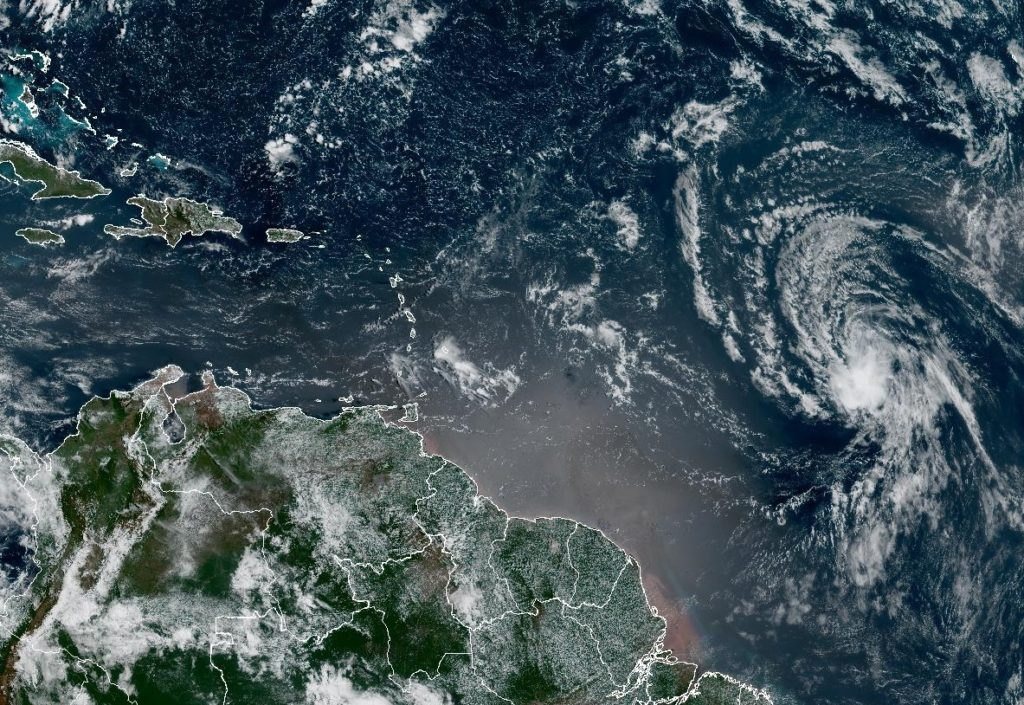
Tropical Storm Dolly has formed in the Atlantic Ocean, becoming the fourth named storm of the 2026 hurricane season. The system, previously designated as Invest 96L, strengthened into a tropical storm on Thursday, according to the National Hurricane Center.
The storm's formation marks an active start to the Atlantic hurricane season, which runs from June 1 through November 30. Dolly follows the season's earlier named storms, and forecasters are closely tracking its path as it moves across the open Atlantic.
Meteorologists are monitoring the system's trajectory to determine whether it poses any threat to land. Early forecasts suggest the storm is moving through the central Atlantic, and officials are urging residents in coastal areas to stay informed as the storm develops.
The National Hurricane Center uses a naming system that rotates through a predetermined list of names each season. Dolly was the next name on the 2026 list after the season's first three named storms. The formation of a fourth named storm by late August is consistent with typical hurricane season activity, as the peak of the season historically occurs between mid-August and late October.
While tropical storms are weaker than hurricanes, they can still bring dangerous conditions including heavy rainfall, strong winds, and rough seas. The National Hurricane Center advises that even storms that remain offshore can create hazardous marine conditions for shipping and boating interests.
Forecasters continue to analyze data from satellite imagery and reconnaissance aircraft to refine their predictions about Dolly's intensity and track. The storm's development is being closely watched by meteorologists and emergency management officials across the Atlantic basin.
Residents in potentially affected areas are encouraged to monitor updates from the National Hurricane Center and local weather services. The hurricane season typically peaks in early September, and forecasters expect additional storm development in the coming weeks as ocean temperatures remain warm.
Dolly's formation follows a period of heightened activity in the Atlantic, with forecasters having predicted an above-average season in their pre-season outlooks. Warm sea surface temperatures and favorable atmospheric conditions have contributed to the development of named storms so far this year.
As the storm continues on its path, forecasters will provide regular updates on its strength and projected course. The National Hurricane Center's advisories remain the authoritative source for information about tropical storm and hurricane activity in the Atlantic.