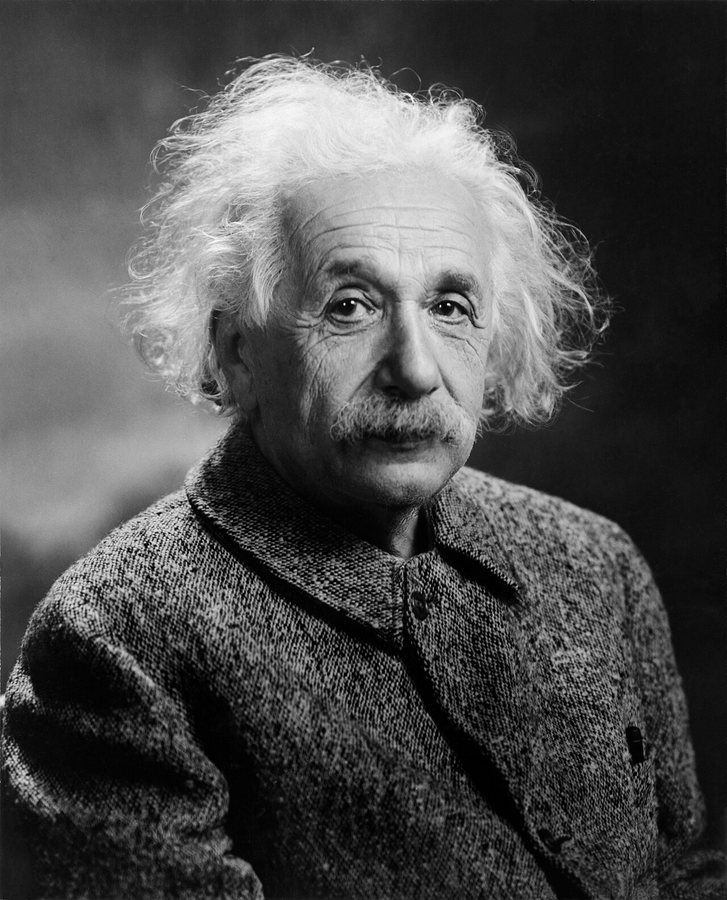
An online article circulating under the headline on special relativity argues that Albert Einstein's 1905 theory stops working when objects approach the speed of light or when energies become extreme. The piece ties that claim to quark-gluon plasma, a state of matter believed to have existed in the first moments after the Big Bang, and to experiments at facilities such as the Large Hadron Collider and the Relativistic Heavy Ion Collider.
The claim does not hold up against established physics. Special relativity has been tested across a very wide range of speeds and energies and has been confirmed in every case, from particle accelerators to satellite navigation systems that must account for relativistic effects. The article, which does not name any researchers, journal, or study, offers no measurements, figures, or dates to back its central argument.
Quark-gluon plasma is real research territory, but it is studied with quantum chromodynamics, the theory describing the strong nuclear force, rather than as evidence that relativity fails. Physicists create the plasma by smashing heavy ions together at high energies and then analyze the results against existing models. Nothing in that work has been shown to overturn special relativity, and the source does not identify any study that would.
Readers encountering the claim should treat it with caution. Relativity remains one of the most rigorously tested theories in science, and a serious challenge to it would require peer-reviewed evidence, which this article does not provide.