Germany's private sector expanded at a faster pace in November, according to the latest purchasing managers' index, suggesting that business activity in Europe's largest economy gained momentum towards the end of the year. The reading points to a stronger performance than in the previous month and offers an early signal about how firms are navigating demand, costs and the wider economic outlook.
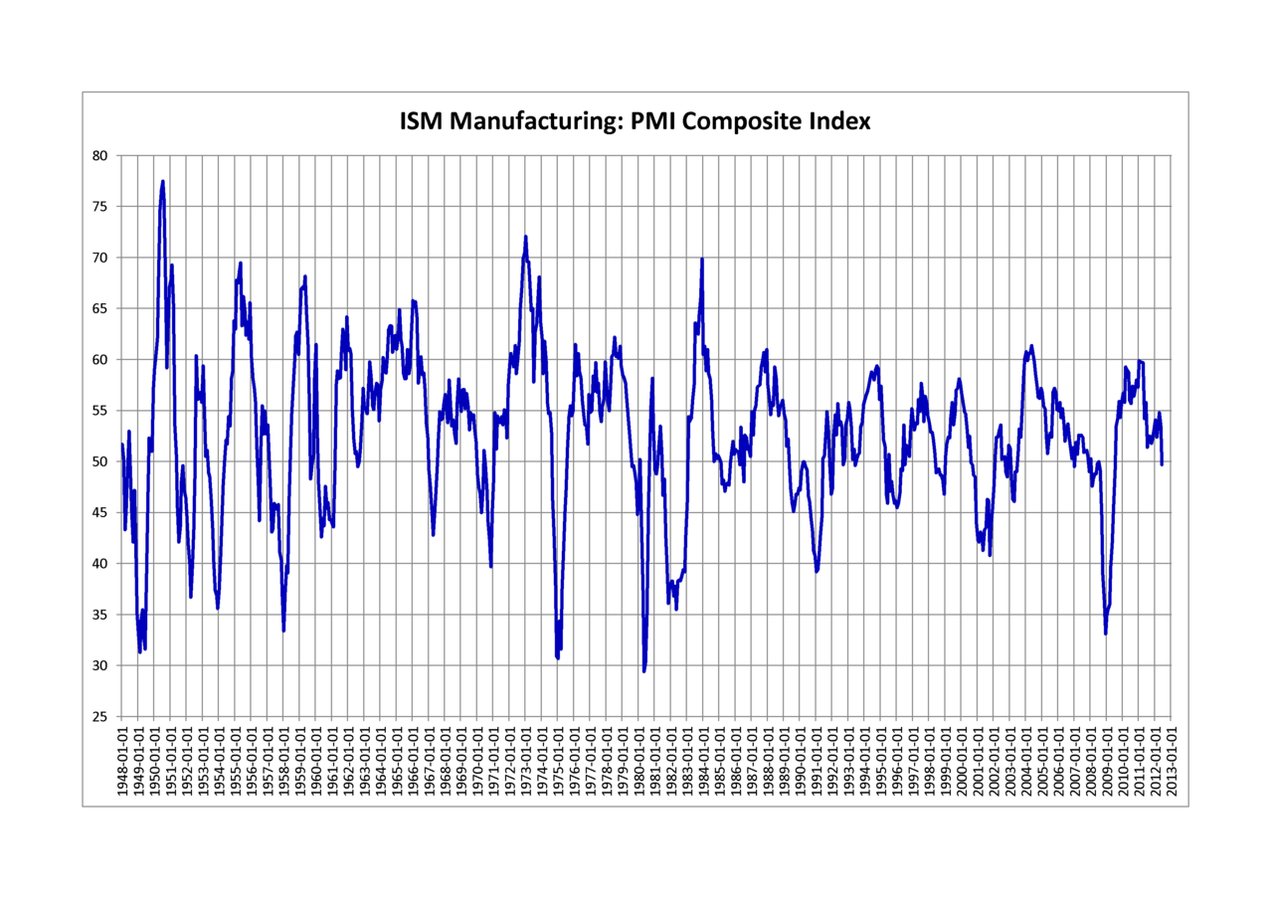
Purchasing managers' indices are closely watched by economists, investors and policymakers because they are compiled from monthly surveys of company executives and offer a timely picture of conditions in manufacturing and services. A reading above 50 indicates expansion, while a reading below 50 signals contraction. The acceleration in November therefore suggests that a larger share of firms reported higher output and new orders than before, rather than a broad decline in activity.
The improvement matters because Germany has spent much of the recent period grappling with weak industrial demand, high energy costs and uncertainty in key export markets. Manufacturers, which form the backbone of the German economy, have been particularly exposed to these pressures. Any sign that output is recovering, even modestly, is therefore closely scrutinised by the Bundesbank, the government and financial markets, all of which are weighing the trajectory of growth against inflation and interest rate decisions.
The figures also carry implications for the broader eurozone, since German economic performance tends to influence trade flows, investment sentiment and the region's overall growth prospects. A firmer German business climate can support confidence among suppliers and customers across the bloc, while persistent weakness can weigh on the outlook for the single currency area as a whole.
Taken together, the November reading suggests that German companies ended the year on a somewhat firmer footing than many had expected. Whether that momentum can be sustained will depend on factors including energy prices, global demand, the pace of inflation and the stance of monetary policy in the months ahead. For now, the survey provides a cautiously encouraging signal that the worst of the downturn may be behind the sector, although economists are likely to remain attentive to the durability of the improvement before drawing firmer conclusions.