
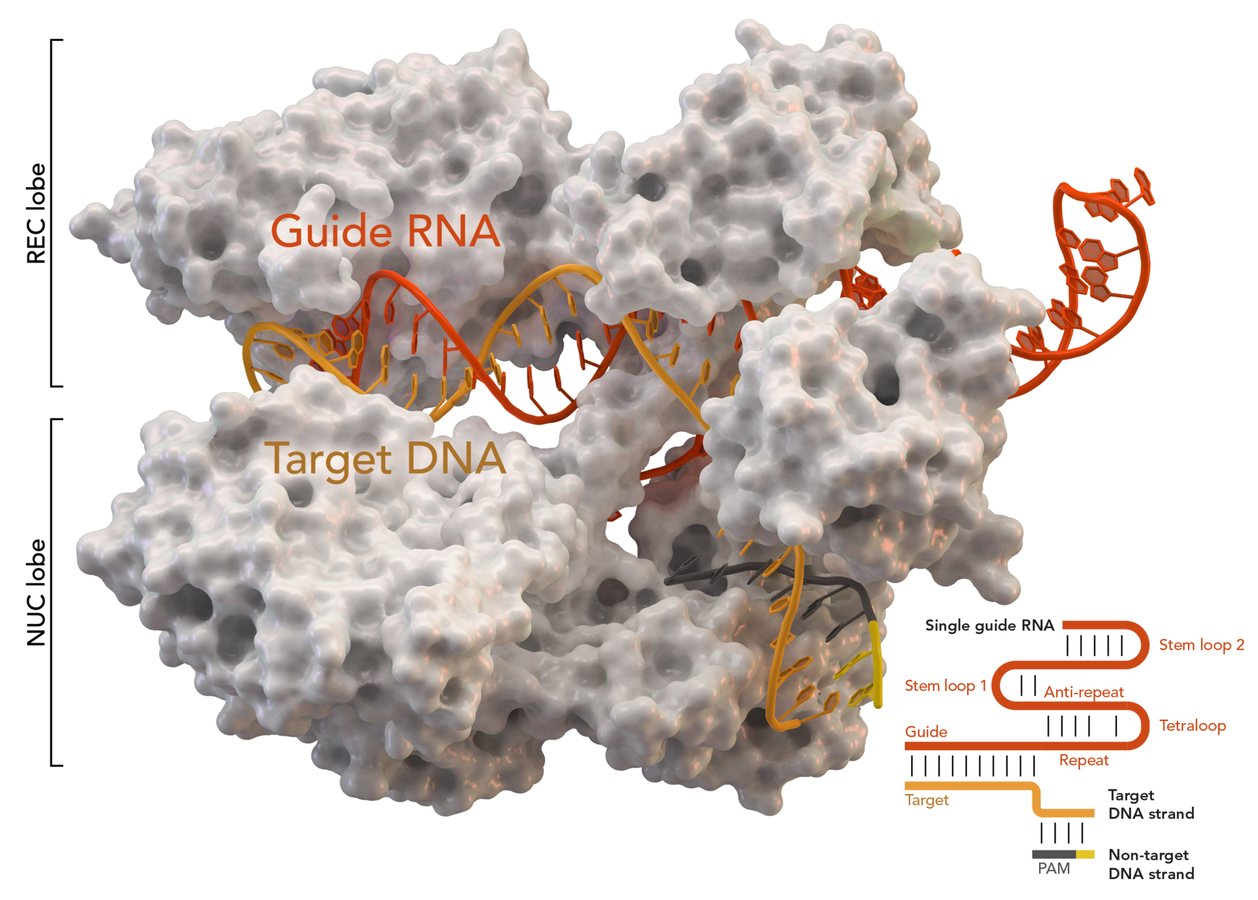
A one-time gene-editing treatment has kept harmful blood lipids lower for at least a year in an early clinical study, offering a glimpse of what permanent or long-lasting cardiovascular prevention might eventually look like. The therapy, CTX310, uses CRISPR-Cas9 to disable ANGPTL3, a liver gene whose reduced activity is associated with lower levels of several atherogenic lipids.
The phase 1a study was designed first to examine safety and dose response, not to prove that the treatment prevents heart attacks or strokes. Even so, the lipid changes were substantial. In the highest-dose group, investigators reported reductions of roughly half in LDL cholesterol and close to half in triglycerides, with the effect persisting through the one-year follow-up reported so far. The treatment is administered once rather than taken daily or injected every few weeks.
ANGPTL3 is an attractive target because human genetics already provides a natural experiment. People who inherit loss-of-function variants in the gene can have unusually low lipid levels without the severe consequences that would make the target unsuitable for therapy. Existing medicines can also inhibit the ANGPTL3 pathway, but CRISPR raises a different possibility: editing liver cells once and obtaining a durable effect without continuing treatment.
That promise comes with a higher bar for safety. A conventional cholesterol drug can usually be stopped if a problem appears. An intentional DNA edit cannot simply be withdrawn. Early trials therefore have to watch for off-target editing, liver toxicity, immune reactions and unexpected long-term consequences. The study has not yet accumulated the number of patients or years of follow-up needed to settle those questions.
The cardiovascular significance is broader than this particular molecule. Most approved gene-editing medicines so far target rare diseases in which the potential benefit is large and the eligible population is small. Cholesterol is different. Atherosclerotic cardiovascular disease affects hundreds of millions of people, and many can already be treated effectively with statins, monoclonal antibodies or RNA-based drugs. A permanent intervention for a common risk factor would therefore need to be not only effective but exceptionally predictable, affordable and safe.
For now, CTX310 is best understood as a proof of biological durability. The edit produced a sustained lipid effect through at least 12 months after a single administration. The next stage is harder: larger trials must show that the benefit remains stable, that rare harms do not emerge and, eventually, that changing a laboratory number with a permanent edit translates into fewer cardiovascular events in the people most likely to benefit.