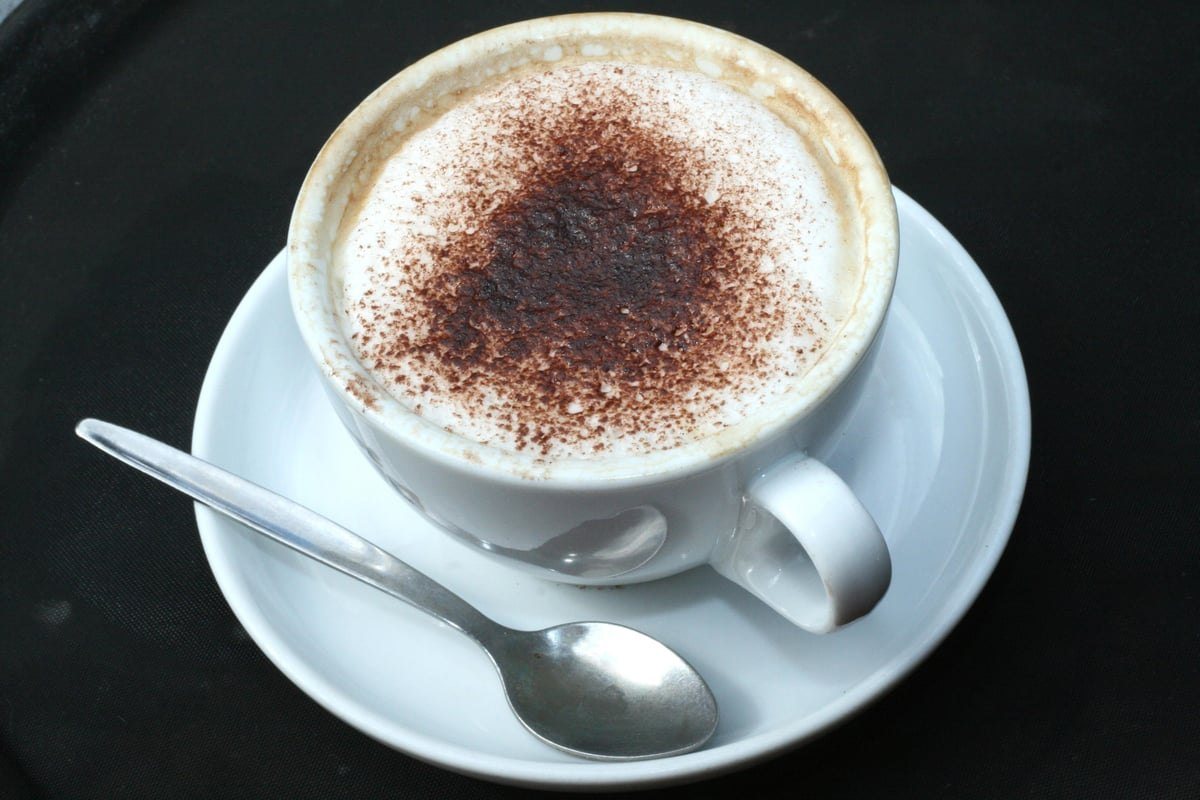
A new study has revealed a stark difference in caffeine levels across Britain's leading high street coffee chains, with a single cappuccino from Costa containing as much caffeine as four cans of Red Bull. The findings, which have prompted fresh debate about the nation's coffee consumption, show a 'wild' variation between the major brands that dominate the UK's £10 billion coffee market.
Researchers compared the caffeine content of standard takeaway coffees from several popular chains, including Starbucks, Costa, Greggs, Pret A Manger and Caffe Nero. The results showed that Costa's cappuccino delivered a significantly stronger hit than its rivals, with levels roughly three times higher than a comparable drink from Starbucks. The disparity has raised questions about how well consumers understand what they are drinking when they buy a routine morning coffee.
Health experts point out that the recommended daily caffeine limit for a healthy adult is around 400 milligrams. A Costa cappuccino, according to the study, pushes a drinker close to that ceiling in a single serving, equivalent to the stimulant content of four standard cans of Red Bull. For comparison, the same drink from Starbucks was found to contain considerably less, meaning a customer who switches chains could unknowingly triple their caffeine intake without changing their order.
The findings have particular relevance for the growing number of Britons who rely on multiple coffees throughout the working day. Consuming two large coffees from a high-caffeine chain could exceed the safe daily threshold, potentially leading to side effects such as insomnia, jitters, raised heart rate and digestive discomfort. Pregnant women and individuals sensitive to stimulants are advised to be especially cautious, as their tolerance levels are lower.
The study also examined other popular drinks and chains, revealing that the gap is not limited to cappuccinos. Across the board, espresso-based drinks showed considerable variation depending on the roaster, the size of the shot and the brewing method used by each chain. Greggs and Caffe Nero, while not matching Costa's peak levels, still delivered caffeine doses that varied noticeably from Starbucks, underscoring the lack of standardisation across the industry.
Consumer groups have long called for clearer labelling on takeaway coffee, arguing that most customers have no way of knowing the caffeine content of their drink before purchasing. Unlike packaged food and drink, which must display nutritional information, coffee sold in cafes and fast-food outlets is not required to show caffeine levels. The new data is likely to intensify those calls, particularly as coffee consumption in the UK continues to rise year on year.
The study's authors described the difference as 'wild' and urged the industry to adopt a more transparent approach. They noted that a customer's choice of chain could have a meaningful impact on their health, energy levels and sleep quality, yet most people choose their coffee shop on the basis of convenience, price or taste rather than caffeine content.
For the British high street, the findings add a new dimension to the competitive battle between coffee chains. Costa, which is owned by Coca-Cola, may find itself under pressure to explain why its drinks are so much stronger than those of its rivals, while Starbucks and others could use the data to market their offerings as a lighter alternative. Either way, the study is likely to change how many consumers view their daily caffeine fix.