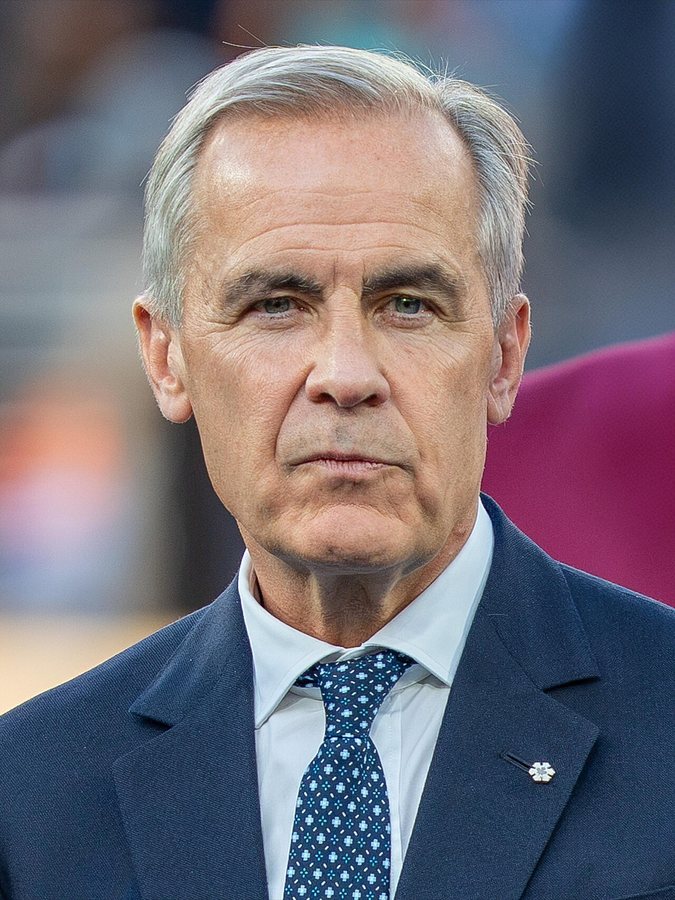
Prime Minister Mark Carney is scheduled to meet Chinese President Xi Jinping in Shenzhen on Wednesday and Thursday, a visit taking place during the Asia-Pacific Economic Cooperation summit. The meeting follows an earlier encounter between the two leaders in South Korea in October 2025. Ottawa is seeking more stable relations with Beijing at a time when trade friction with the United States continues to weigh on Canadian exporters and policymakers.
The centrepiece of the expected arrangement is a change to Canada's electric vehicle rules. Under the terms reported, Canada would admit up to 49,000 Chinese-made electric vehicles a year, and the tariff on those vehicles would fall to 6.1 per cent from 100 per cent. The arrangement also extends the bilateral trade deal between the two countries to the end of 2028. Carney has said Chinese investment could help the country's auto sector, which has faced pressure from shifting trade conditions across North America.
The proposal has drawn scrutiny over security. Jody Thomas, a former national security adviser, has warned that China continues to pose threats to Canada. Critics argue that significant security risks remain unresolved, and say the government has not fully addressed concerns about the scope of Chinese involvement in the sector. Carney has countered that the security risks posed by China are far smaller than those posed by the United States, a comparison he has used to justify a more open approach to Beijing.
Vina Nadjibulla, chief executive of a Canadian think tank, has defended the broader rationale of diversification and stabilization. In her view, Canada benefits from reducing its dependence on a single large trading partner, particularly one whose policies can shift quickly. That argument sits at the heart of the government's case: that a wider set of trading relationships gives Canada more room to absorb pressure from Washington.
The Shenzhen talks also come as Carney has widened Canada's diplomatic and trade agenda. He recently visited Dublin and met European leaders. Last month, Canada announced it is seeking associate membership in the European Union. Ottawa is also concluding free-trade talks with the Philippines, and Canada and the Association of Southeast Asian Nations have reached a substantial conclusion on a free-trade pact. Taken together, these moves reflect a broader effort to reduce reliance on any one market as Canada navigates an uncertain trade environment.