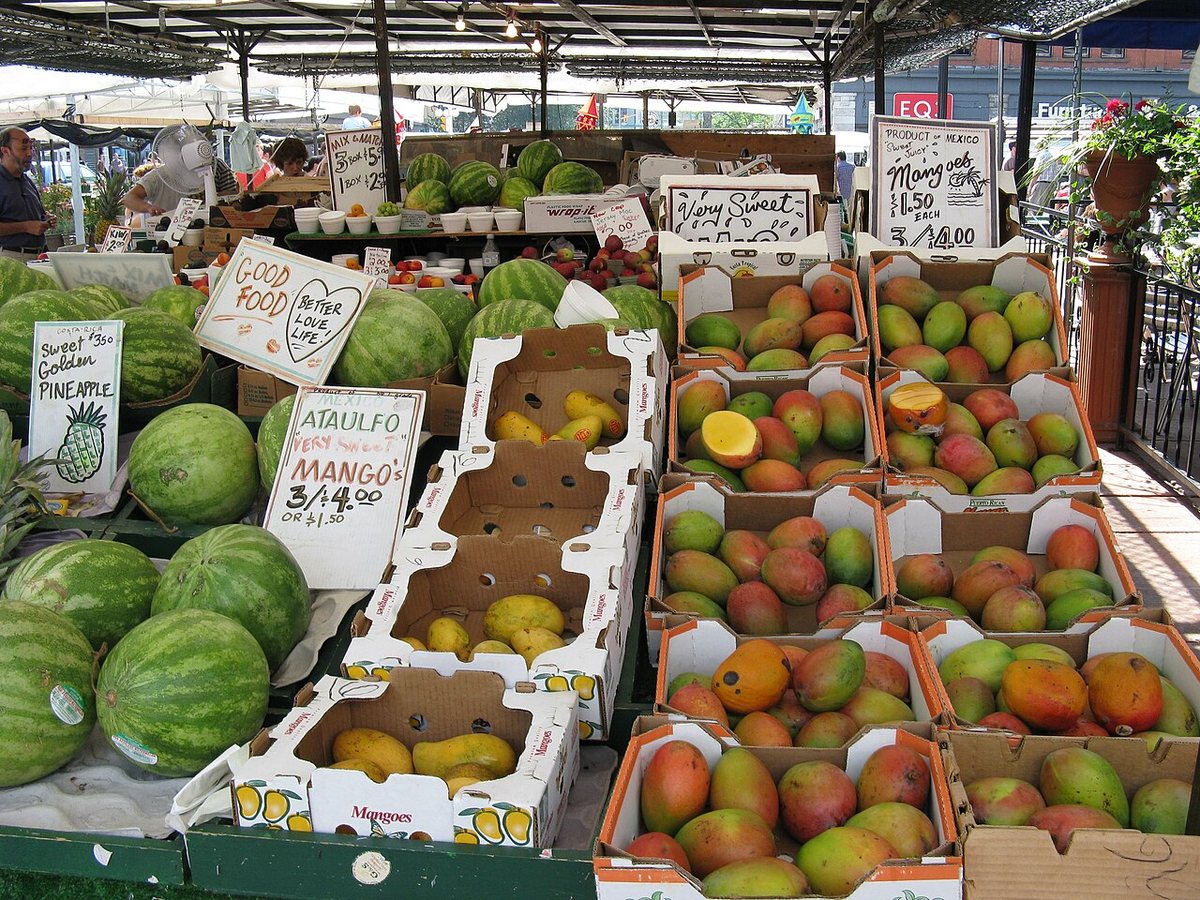
The effects of climate change are no longer confined to distant glaciers or scientific projections; they are now visible in the aisles of local supermarkets. Shoppers across Europe are encountering higher prices and occasional shortages of staple goods as extreme weather events disrupt harvests and supply chains. The phenomenon, highlighted in recent Italian media reports, underscores how environmental instability is reshaping the economics of everyday life.
From prolonged droughts in southern Europe to devastating floods in the north, agricultural production has been hit hard. Spain, Italy, and Greece—key suppliers of fruits and vegetables—have seen olive oil prices soar to record levels after consecutive years of drought. Similarly, the cost of staples like rice, wheat, and cocoa has climbed as climate volatility affects growing regions worldwide. Supermarkets, once insulated by global sourcing, are now passing these costs to consumers, with some products becoming scarce or disappearing from shelves altogether.
The impact extends beyond prices. Supply chain experts note that just-in-time delivery systems, which keep shelves stocked with minimal inventory, are increasingly vulnerable to climate shocks. A single flood or heatwave can delay shipments, leading to empty shelves and frustrated shoppers. In response, some retailers are diversifying suppliers and investing in more resilient logistics, but these measures come with their own costs. For consumers, the result is a tangible connection between climate policy and the weekly grocery bill.
Economists warn that food inflation driven by climate change could become a persistent feature of the global economy. Unlike temporary price spikes from geopolitical events, climate-induced disruptions are expected to worsen as extreme weather becomes more frequent. This poses challenges for central banks trying to control inflation and for governments seeking to protect vulnerable households. In Italy, consumer groups have called for targeted support as food prices outpace general inflation, straining family budgets.
The situation also raises questions about food security and the sustainability of current agricultural practices. Farmers are adapting by planting drought-resistant crops and adopting water-saving technologies, but these transitions take time and investment. Meanwhile, the pressure on land and water resources is intensifying, particularly in regions already facing desertification. Without coordinated action, experts fear that the gap between demand and supply will widen, leading to more frequent shortages and higher prices.
For shoppers, the supermarket has become an unexpected frontline in the climate crisis. The choices made by retailers and policymakers—from sourcing decisions to agricultural subsidies—will determine whether shelves remain stocked and affordable. As the world grapples with the need to reduce emissions, the humble grocery cart offers a daily reminder that climate change is not just an environmental issue, but an economic and social one that touches every household.