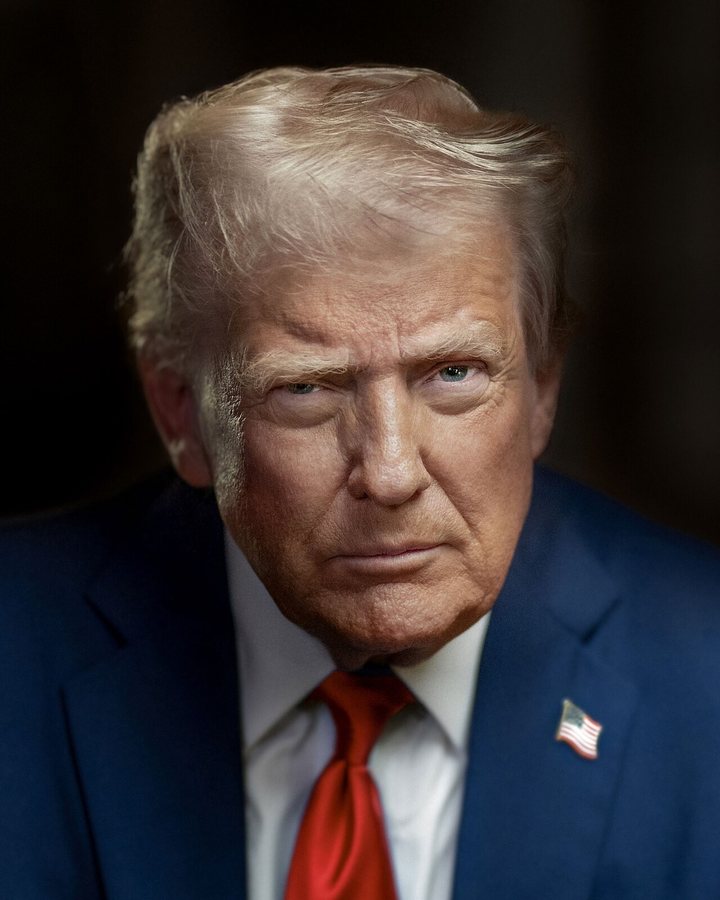
Democrats are poised to regain control of Congress after Tuesday's election, a result that is expected to bring closer scrutiny of President Donald Trump's foreign policy. Republicans are described as facing a "generational wipeout" at the polls, and the incoming majority is likely to use its powers to constrain the administration's overseas actions.
Foreign policy may have helped decide the outcome, which would be unusual in a US midterm contest. Voters cited inflation pressures tied to the Iran war and to tariffs as key concerns, linking the costs of overseas conflict and trade policy to their household finances. That combination has made the economic consequences of Trump's foreign decisions a central part of the political argument heading into the new Congress.
Democrats have signalled a range of responses. They have threatened investigations into some of Trump's top envoys, which would put the diplomats and officials who carry out the administration's overseas agenda under direct Congressional questioning. They have also raised the prospect of probes into Pentagon contractors, placing the companies that supply the military under the same kind of examination.
Greater scrutiny of US ties with Israel is also anticipated under a Democratic-led Congress. Such oversight would extend the debate over the American relationship with one of its closest allies into the budget and policy process, at a time when the Iran war is already shaping the political agenda.
Budget negotiations are expected to become a major battleground. Fights over spending are likely to be linked to the Iran war, giving lawmakers leverage over the funding and direction of military operations. Because appropriations must pass each year, the budget is one of the few tools a legislature has to influence a conflict it did not start, and it is where the new majority is expected to press its concerns most directly.
The limits of Congressional power are also clear. Trump retains veto power over legislation, which means he can block measures on tariffs, the Iran war and Ukraine aid even if they pass both chambers. Overriding a veto requires a two-thirds majority in each chamber, a threshold that is difficult to reach in a divided government. Any attempt to constrain his foreign policy will therefore depend on securing broad cross-party support, not simply on a Democratic majority.
The analysis was published by The Guardian on November 5, 2026, and sets out how a shift in Congressional control could reshape the administration's approach to war, trade and alliances in the months ahead. For Democrats, the coming session offers a chance to use oversight and the budget to test the administration's foreign commitments, while for Trump the veto remains the decisive safeguard for his agenda.