The UK has provisionally recorded its hottest summer since national records began in 1884, with the average temperature for June, July and August reaching 16.5°C (61.7°F). The national weather service, the Met Office, announced on 1 September that the figure surpasses the previous summer record of 16.1°C (61°F), which was set only last year.
«The conditions we’ve seen this summer have broken UK climate records once again», said Amy Doherty at the Met Office in a statement. The season began with the second warmest June on record, followed by the second warmest July, but the defining feature was the persistence of heat across the entire three-month period rather than any single extreme spike.
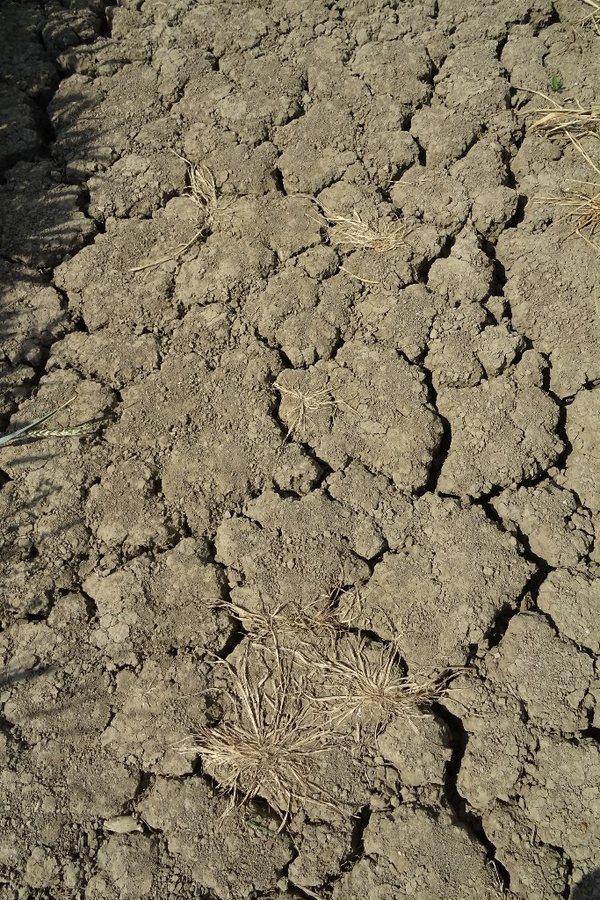
Temperature readings included 38°C (100.4°F) recorded for the first time in June in Norfolk, and 38.1°C (100.6°F) at Kew Gardens in London on 13 August. Much of England is now in the grip of severe drought after rainfall largely vanished from many parts of the country during July. The hot, dry conditions have damaged crops, strained healthcare systems and triggered severe wildfires.
The Met Office attributed the exceptional warmth to fossil fuel emissions, stating that climate change made a summer like this around 130 times more likely to occur. «In a climate unaffected by human emissions of greenhouse gases, a summer like this would be exceptionally unlikely, i.e. 1 in over 1,000 years», said Mark McCarthy at the Met Office. «In our current climate, which is changing because of the effect of burning of fossil fuels, we should now expect this to be roughly a 1 in 9 year event.»
The top five warmest summers for the UK have all occurred since 2003, and the Met Office warns this trend will intensify as rising global temperatures make UK summers increasingly hot and dry. Under 4°C of warming, the summer just gone would be considered cool or below average for the country, the service said.
Ruth Fuller at the World Wildlife Fund responded to the announcement by saying: «These stark figures prove what we have been experiencing first hand, we are getting hotter and hotter. And the climate will continue to heat up until we cut our emissions to net zero.»
The record-breaking season follows a pattern of accelerating climate impacts observed globally. Scientists have pointed to similar chain reactions in other regions, including a 2021 deluge in the Indian Himalayan state of Uttarakhand that severely damaged two hydroelectric power plants and took about 200 lives, and a colossal landslide in an Alaskan fjord in August 2025 that created a 500-metre-high wave in an area frequented by cruise ships. Earlier that year, the collapse of part of a glacier in Switzerland’s Valais canton caused a debris-laden torrent that destroyed and buried most of the already evacuated village of Blatten.
The Met Office figures confirm that the previous record, set in 2025, has been broken after an unprecedented summer of persistent heat. The announcement adds to mounting evidence that the UK’s climate is shifting rapidly, with implications for agriculture, public health, water resources and emergency services across the country.