Australia’s Bureau of Meteorology has warned that the El Niño weather phenomenon developing to the country’s east is already breaking heat records, with forecasts indicating it will likely easily surpass previous events. The bureau’s assessment comes as separate research suggests climate change has significantly increased the likelihood of the event reaching record extremes.
The Pacific ocean temperature change has exceeded 2°C in six months, a shift that the bureau says has already set new benchmarks. The growing El Niño is expected to continue strengthening, and the UN’s weather agency said Thursday that the event would probably persist until early 2027, warning it had the “potential to deliver a massive blow to communities and economies across the world.”
El Niño is a natural climate pattern marked by warmer-than-average sea surface temperatures in the central and eastern Pacific Ocean. It typically brings drier conditions to parts of Australia, particularly the east, and can disrupt weather patterns globally, affecting agriculture, water supplies, and wildfire risk. The current event’s rapid intensification — a temperature rise of more than 2°C in half a year — has drawn particular concern from meteorologists.
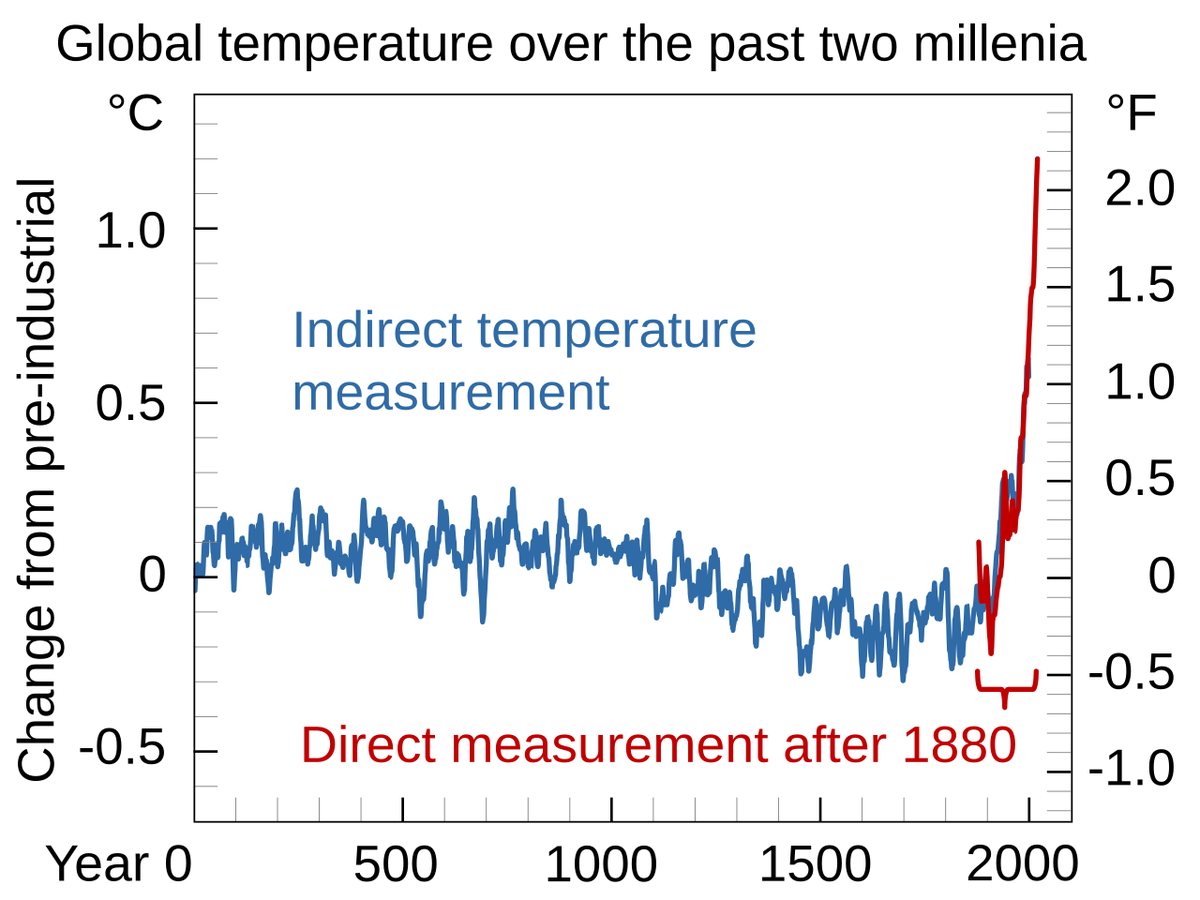
The research pointing to climate change’s role in the event’s severity adds to a growing body of evidence that human-driven warming is altering the behaviour of natural climate cycles. Scientists have long debated the precise influence of climate change on El Niño events, but the new findings suggest that record-breaking extremes are becoming more probable as global temperatures rise.
The UN weather agency’s warning underscores the international stakes. El Niño events have historically been associated with droughts, floods, and food insecurity across different regions, from Australia and Southeast Asia to parts of Africa and the Americas. A prolonged event lasting into early 2027 would span multiple growing seasons and could strain global food supplies and disaster-response systems.
For Australia, the bureau’s forecast raises concerns about the upcoming summer, when El Niño conditions typically amplify heatwaves and bushfire risk. Eastern states, already vulnerable to dry spells, could face severe water shortages and agricultural losses if the event unfolds as predicted.
The combination of record ocean temperatures and the forecast of a prolonged, intense El Niño has prompted calls for heightened preparedness. Emergency services, farmers, and water authorities are being urged to plan for conditions that may exceed those seen in previous major events, such as the 2015–2016 El Niño, which was among the strongest on record at the time.
While the bureau’s forecast is based on current observational data and climate models, scientists caution that the exact trajectory of El Niño remains difficult to predict with certainty. However, the convergence of observed records and climate projections points to a high likelihood of an event that will test infrastructure and communities across the region.
The research linking climate change to the event’s extremity is expected to intensify debate over emissions reduction policies. As global temperatures continue to rise, the frequency and intensity of El Niño events may increase, making adaptation and mitigation efforts increasingly urgent.