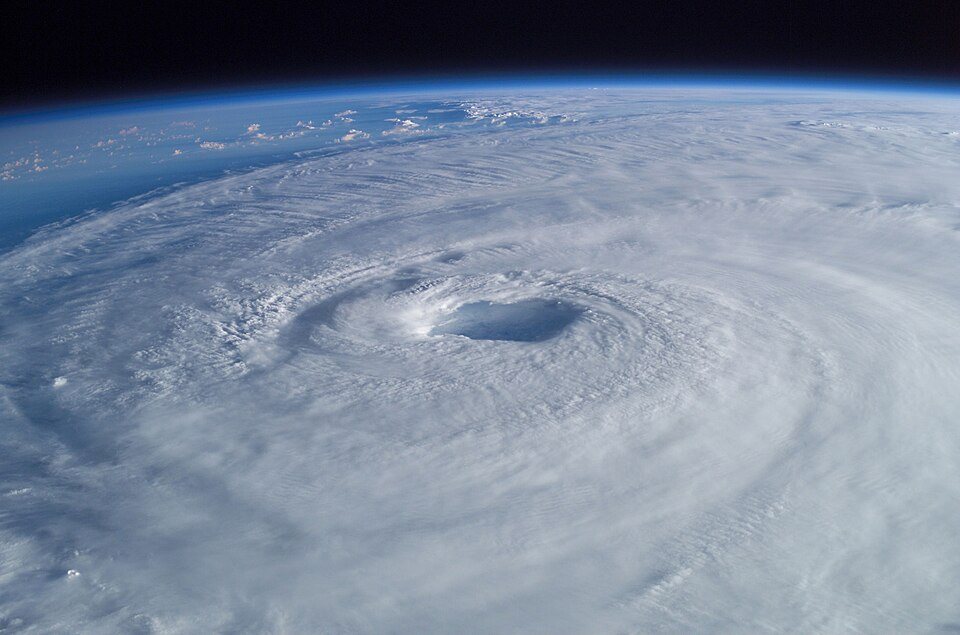
For tropical cyclones, an extra day of useful warning can change evacuation plans, port operations and emergency preparation. A new artificial-intelligence forecasting system, WeatherNext Cyclones, has shown roughly a day or more of average lead-time advantage over leading operational models for important cyclone forecasting tasks in tests covering storms from 2023 through 2025.
Cyclone forecasting has two different problems. Track forecasts ask where the storm will go; intensity forecasts ask how strong it will become. Track prediction has improved greatly over recent decades, while rapid intensification remains difficult. A useful system must also represent storm size and uncertainty, because emergency managers need probabilities rather than one deterministic line on a map.
WeatherNext Cyclones produces ensemble forecasts extending to 15 days. An ensemble runs multiple plausible futures, allowing forecasters to estimate how confident the system is and how wide the risk zone should be. The model was evaluated against recent tropical cyclones and compared with leading operational systems. Across several metrics, it reached a given level of forecast skill at longer lead times, amounting on average to about a day or more of additional warning.
The result is not the same as saying every hurricane will be forecast accurately two weeks in advance. Skill declines with lead time, and rare rapid changes remain challenging. A 15-day forecast is best understood as an evolving probability distribution that becomes more specific as the storm develops and new observations arrive.
AI weather models learn statistical relationships from enormous datasets and can run much faster than traditional numerical weather-prediction systems. That speed makes large ensembles cheaper to generate. Traditional models, however, are built from physical equations and remain essential for understanding atmospheric processes and producing many operational variables. The most realistic future is likely to combine the strengths of both approaches rather than replace one wholesale with the other.
Cyclone models also need continuous testing outside the years used for development. Storm behavior differs between ocean basins and seasons, and climate change may shift the range of conditions future systems encounter. Operational agencies will want evidence that the model remains well calibrated for rare, high-impact events — exactly the cases in which forecast errors are most costly.
If the reported lead-time advantage persists in real forecasting, the public-safety value could be substantial. A day can allow hospitals to move patients, utilities to stage crews and families to leave vulnerable areas before roads clog. The scientific advance is not simply a more impressive forecast horizon. It is the possibility of turning machine-learning speed and ensemble prediction into additional decision time when a tropical cyclone threatens populated coasts.