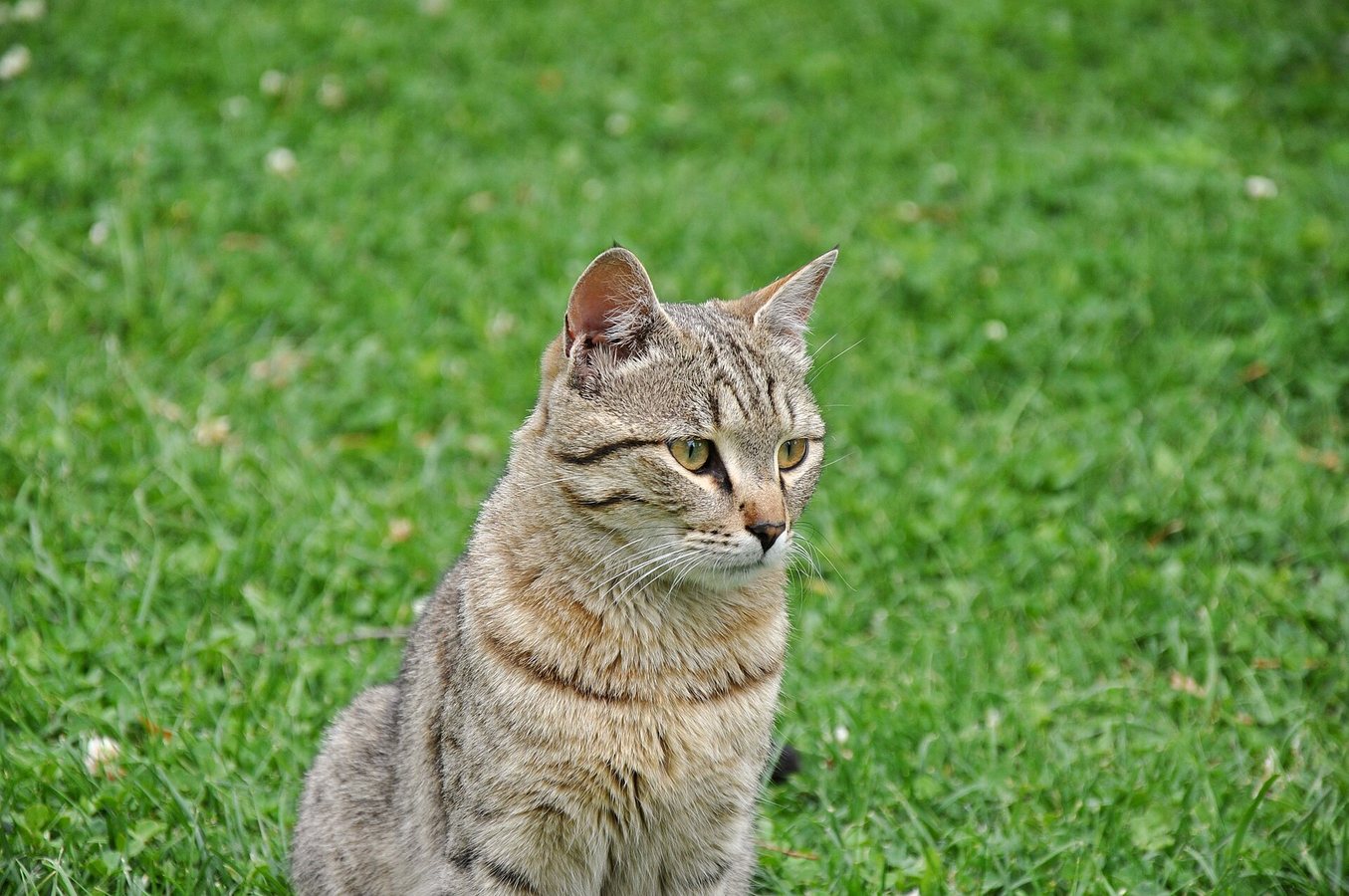
Scientists have described a new species of wild cat from Bolivia, marking the first time a new cat species has been scientifically named in a century. The diminutive, spotted animal, called the tilcayo, lives in the Yungas forests on the eastern slopes of the Andes mountains and has been formally named Leopardus tilcayo after the local term for the cat.
The discovery, led by Eduardo Eizirik at the Pontifical Catholic University of Rio Grande do Sul in Porto Alegre, Brazil, emerged from an analysis of the complete genomes of 38 individuals from the Leopardus genus, including 26 tiger cats sampled across their known range. The genomic data revealed a fifth distinct species within the tiger cat group, which had long been treated as a single species, Leopardus tigrinus.
«We've discovered a new species of cat that had not been scientifically named before,» Eizirik said, adding that this is the first such event in a hundred years. The finding was published in the journal Current Biology.
Tiger cats are roughly the size of a house cat and are found from Costa Rica in Central America across a vast swathe of South America, including Bolivia, Brazil, Venezuela, Colombia, Ecuador and Peru. Their similar appearance and nocturnal, elusive habits have made it difficult to tell them apart, and many local and scientific names were historically folded into a single species.
Genetic studies have since split that group into four species, reviving three older names. The southern tiger cat, Leopardus guttulus, was recognized in 2013, followed by Leopardus emiliae in 2017 and the clouded tiger cat, Leopardus pardinoides, in 2024. The new analysis adds a fifth.
L. tilcayo has a combined head and body length of about 42 to 50 centimetres and weighs between 1.5 and 2 kilograms. Its genome shows it diverged from the lineage containing L. tigrinus and L. pardinoides nearly 1.4 million years ago.
Distinguishing the species by sight remains difficult. «The five tiger cat species are all cryptic species. They're morphologically very similar,» said team member Jonas Lescroart at the University of Antwerp in Belgium.
The researchers also identified a distinct group of cats in the Peruvian Yungas forests on the western side of the Andes, within the L. tigrinus lineage, which they describe as a novel subspecies, L. tigrinus antisuyo.
Leslie Lyons at the University of California, Davis, who was not involved in the study, welcomed the result. «There are more cat species. Who can't love that?» she said. «They're hard to find and see, so it's not surprising that some of the early taxonomy needs to be modified now we have more data.»
Lyons noted that South America has many geographic barriers, including mountains and rivers, that can isolate animal populations, raising the possibility that more cat species remain undiscovered. «It'd be rather cool if we could find another species out there,» she said.
The conservation implications are significant. Leopardus tigrinus is listed as vulnerable by the International Union for Conservation of Nature, but the new species and subspecies will need to be evaluated and protected as distinct units, Eizirik said. That is especially urgent because the forests they inhabit are shrinking as agriculture expands.
The research underscores how genomics is reshaping wildlife taxonomy, revealing hidden diversity in groups that were once considered single species. For the tilcayo, the formal name is only the beginning of a longer effort to secure its future.