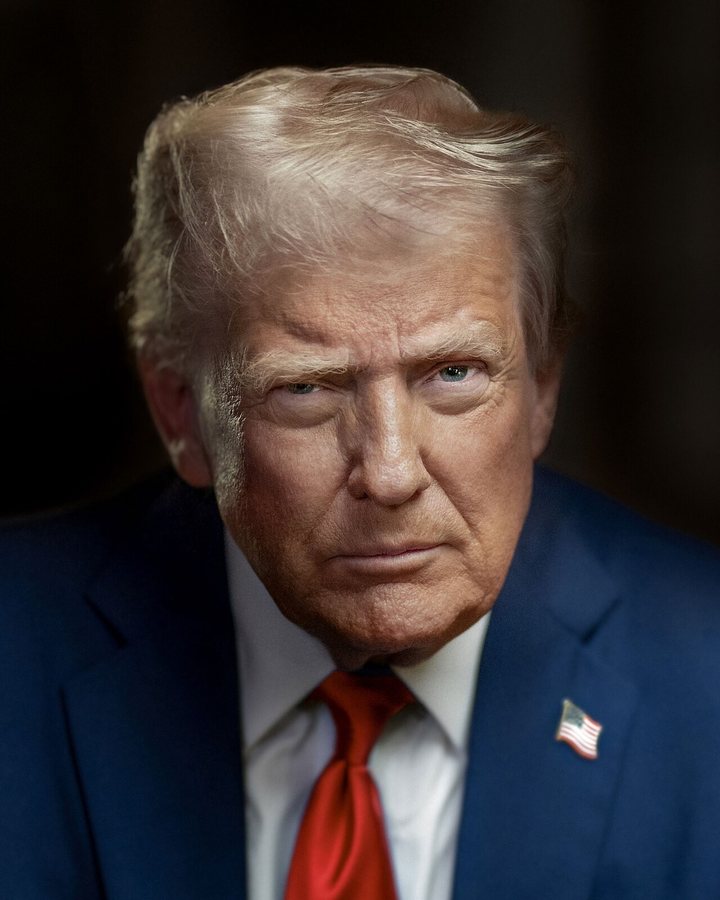
Iran's government is reportedly considering an attempt to force its way through the United States naval blockade with a flotilla of oil tankers, a gamble that carries significant risk. US President Donald Trump has publicly challenged Tehran to break the blockade, setting up a direct test of American naval power in the region.
The Iranian economy is under severe strain from the blockade, which has choked off the country's ability to sell its oil freely on international markets. Tehran has signalled that it may try to push tankers through rather than accept the economic squeeze indefinitely. Any attempt to run the blockade would place Iranian vessels in direct confrontation with US naval forces, raising the prospect of a serious incident at sea that neither side appears eager to trigger.
The standoff is unfolding against a backdrop of wider tensions in the region and parallel diplomatic efforts. Negotiations between the parties are continuing even as both sides trade public warnings, and the outcome is being watched closely by governments and energy markets far beyond the Middle East. Analysts have noted that the blockade leaves little room for Iran to avoid a choice between economic hardship and a risky confrontation.
The question of whether the tankers will attempt to pass is central to the crisis. Iran's leadership has framed the blockade as an act of economic pressure, while Washington has presented it as a means of constraining Tehran's activities. Each side has sought to portray the other as the party most likely to escalate, leaving the situation finely balanced.
For Australia, the situation matters because of its impact on global oil supply and prices, which feed directly into fuel costs and the broader cost of living. Disruption to shipping routes in the Gulf can ripple through international energy markets, affecting importing nations such as Australia and the households and businesses that depend on affordable fuel. Any sustained rise in crude prices would be felt at the petrol bowser and in transport and freight costs across the country.
The coming days will show whether Iran chooses to test the blockade or returns to the negotiating table. Given the stakes, both Washington and Tehran face pressure to avoid a miscalculation that could escalate into open conflict, and governments in the region and beyond will be monitoring each development closely.