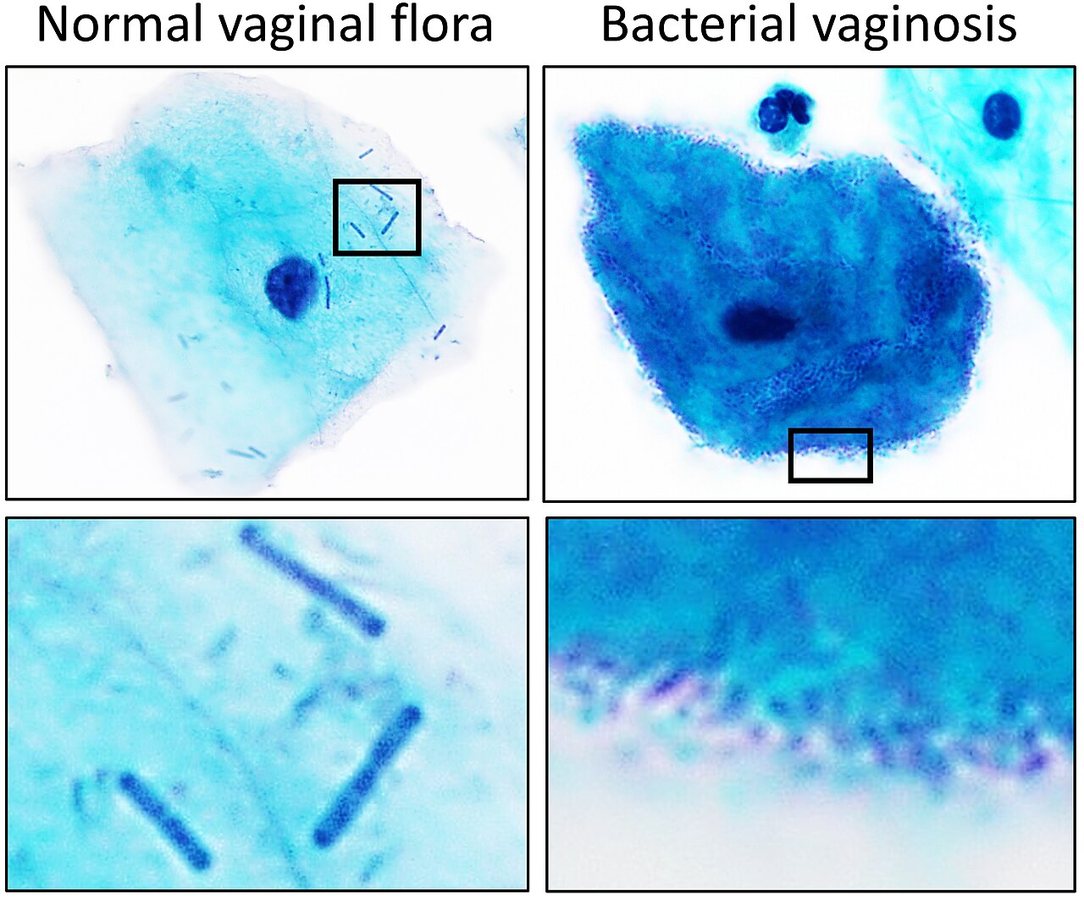
Australian researchers have identified two contributors to recurrent bacterial vaginosis, a common sexual health condition that affects about one in four women globally and is often difficult to treat. The findings come from a team in Melbourne that previously made a breakthrough in understanding how BV is transmitted.
Bacterial vaginosis, commonly called BV, is characterized by an imbalance in the naturally occurring bacteria of the vagina. In affected patients, levels of beneficial bacteria decline while a mix of other bacteria overgrows. The condition is the most common cause of vaginal discharge and odor, and it has been linked to complications including increased susceptibility to sexually transmitted infections and adverse pregnancy outcomes.
What has long frustrated clinicians and patients is the high rate of recurrence. Even after standard antibiotic treatment clears the initial infection, many women experience repeated episodes within months. The Melbourne team turned its attention to this gap, seeking to understand why some cases are harder to cure than others.
The researchers identified two distinct contributors to recurrent BV, according to the findings. The work builds on the group's earlier discovery regarding BV transmission, which reshaped how scientists think about the condition's spread. That prior research established that BV can be passed between sexual partners, a finding that challenged the long-held view of BV as a simple overgrowth unrelated to sexual activity.
The new study extends that line of inquiry by focusing on the mechanisms behind treatment failure and relapse. By pinpointing specific factors that drive recurrence, the scientists offer a potential path toward more targeted therapies and better prevention strategies. Current treatment guidelines typically rely on antibiotics, which address the acute infection but do not always prevent it from returning.
The condition disproportionately affects women of reproductive age and is more common in certain populations, including those with multiple sexual partners and those using intrauterine devices. It also carries significant stigma, which can discourage women from seeking care. Improved understanding of recurrence could help reduce both the clinical burden and the emotional toll of repeated infections.
The Melbourne research adds to a growing body of evidence that BV is not simply a matter of hygiene or a single bacterial culprit. Instead, it appears to involve complex interactions among multiple bacterial species and the host environment. The identification of two contributors to recurrence suggests that effective long-term management may require addressing more than one factor at a time.
While the findings are preliminary and further research is needed to translate them into clinical practice, they represent a meaningful step forward for a condition that has received relatively little scientific attention compared with other sexual health issues. The team's earlier transmission breakthrough already prompted calls to reconsider how BV is prevented and treated, including discussions about partner treatment.
For now, the researchers say the identification of these two contributors opens new avenues for study. Future work is expected to explore how these factors might be targeted with new or repurposed treatments, and whether screening for them could help predict which patients are at highest risk of recurrence. The findings were published by the Australian team and have drawn interest from sexual health specialists internationally.