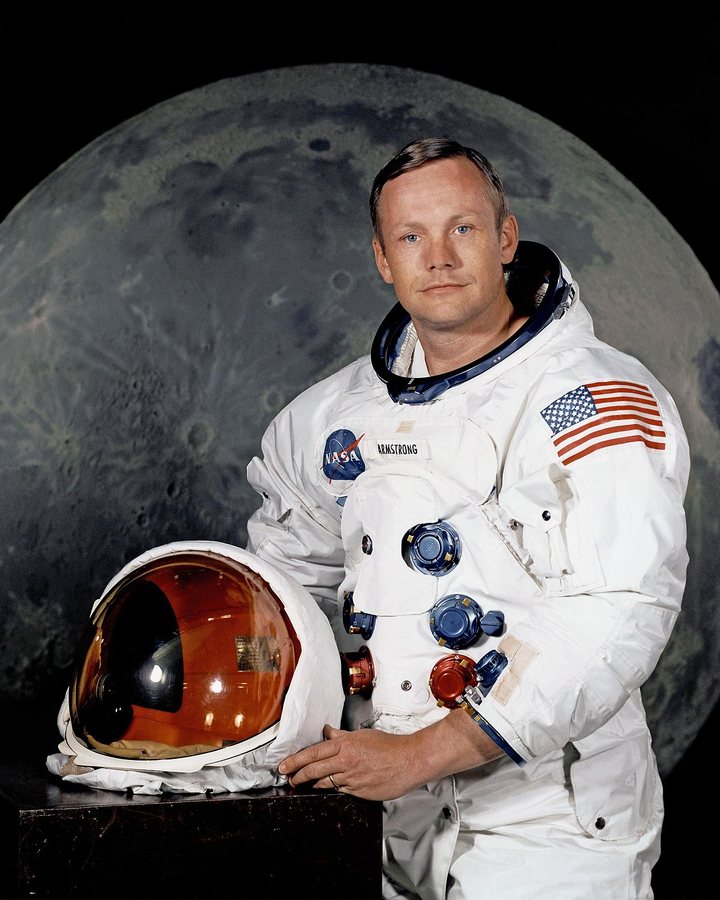
Fourteen years have passed since the death of Neil Armstrong, the American astronaut who became the first human to walk on the moon. Armstrong, who died on August 25, 2012, at the age of 82, remains one of the most significant figures in the history of space exploration and a lasting symbol of American achievement. His footprint on the lunar surface, made during the Apollo 11 mission in July 1969, still stands as a defining moment of the 20th century.
Armstrong's death marked the end of an era for a generation that had watched him take «one giant leap for mankind» on live television. Born in Wapakoneta, Ohio, in 1930, Armstrong served as a naval aviator before joining the National Advisory Committee for Aeronautics, the predecessor to NASA. His calm demeanor and technical skill made him the ideal commander for the Apollo 11 mission, which fulfilled President John F. Kennedy's goal of landing a man on the moon before the end of the 1960s.
The anniversary of his death is observed not only by space enthusiasts but also by cultural institutions that preserve his legacy. Museums across the United States, including the Smithsonian National Air and Space Museum in Washington, D.C., hold artifacts from his career, including the spacesuit he wore during the moonwalk. These exhibits continue to draw millions of visitors each year, reflecting the enduring public fascination with the space race and the men who risked their lives to win it.
Armstrong's influence extends beyond the technical achievements of the Apollo program. His famous words from the lunar surface have been quoted in films, documentaries, and political speeches, becoming part of the American cultural vocabulary. The image of Armstrong saluting the American flag on the moon has been reproduced countless times in art, advertising, and popular entertainment, cementing his place in the national imagination.
In the years since his death, Armstrong has been honored with numerous posthumous tributes. His family released a statement at the time of his passing, remembering him as a «reluctant American hero» who always believed he was just doing his job. That humility, combined with his extraordinary accomplishments, has made him a subject of continued study for historians and biographers. Several books and documentaries have examined his life, from his childhood in Ohio to his years as a test pilot and his decision to step away from the public spotlight after leaving NASA in 1971.
The anniversary also serves as a reminder of the broader legacy of the Apollo program. The technology developed for the moon missions laid the groundwork for modern computing, materials science, and telecommunications. The photographs of Earth taken from lunar orbit helped inspire the environmental movement by showing humanity's home as a fragile blue sphere in the vastness of space. Armstrong's journey, therefore, was not just a national triumph but a turning point in how humanity sees itself.
For younger generations who did not witness the moon landing, Armstrong's story remains a touchstone of what is possible when ambition meets discipline. His life has been the subject of school curricula, museum exhibits, and public lectures, ensuring that his contributions are not forgotten. As the United States looks toward new missions to the moon and Mars, Armstrong's example continues to guide the next generation of astronauts and engineers.
Fourteen years after his death, Neil Armstrong's legacy is as strong as ever. His name is synonymous with courage, curiosity, and the relentless pursuit of knowledge. The anniversary of his passing offers an opportunity to reflect on the values he represented and the achievements that continue to inspire people around the world.