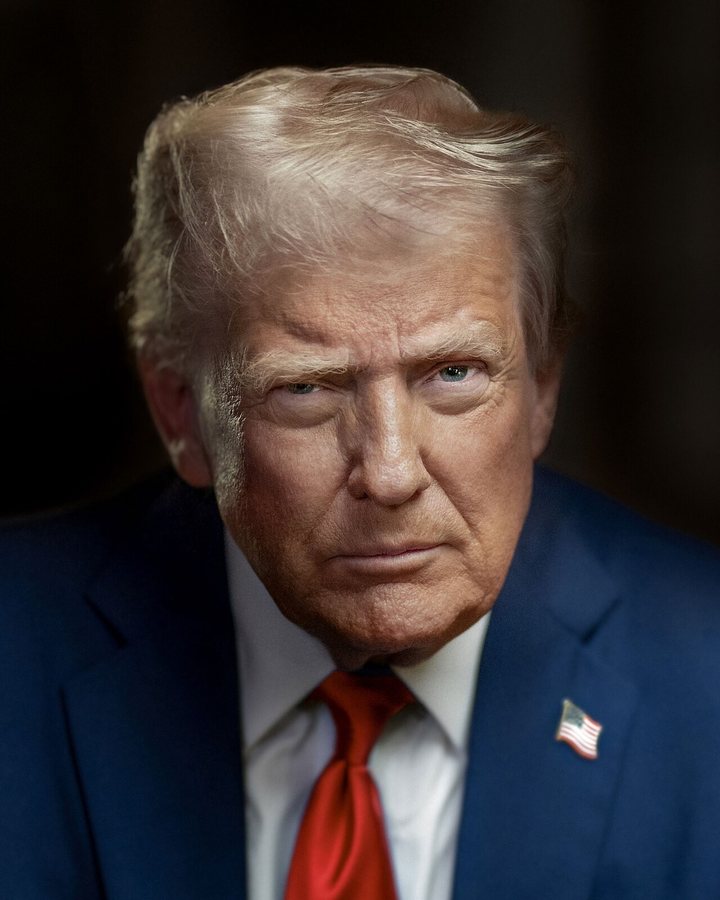
A series of AI-generated images showing the Trump family in religious settings has sparked a fierce public debate online. The depictions combine religious symbolism with political figures and raise the question of whether religious imagery should be placed in the service of politicians.
Critics see in the images an inappropriate mixing of faith and partisan positioning. They argue that religious symbols lose their significance through such use and are instrumentalized for political purposes. At the core, they are concerned with whether religious symbolism may serve political actors at all without the religious tradition itself being harmed.
Supporters of the images, by contrast, interpret them as an expression of admiration or patriotism. From their perspective, it is a form of affection for the family and its role in American public life, not a misuse of religious motifs. The opposing readings show how strongly the perception of such depictions depends on the political standpoint of the viewer. The same scene can thus be regarded by some as a tribute and by others as a transgression.
The case also points to more fundamental questions about the role of artificial intelligence in political and religious communication. AI can produce images that appear deceptively real. This creates the risk that such depictions may be misunderstood as authentic photographs or wrongly attributed. Especially in an environment where visual material is already difficult to verify, this intensifies the debate about trust in visual content.
The images circulated online and reached an audience that was clearly divided in its assessment. How large their actual reach was is not documented. Nor can it be clarified from the available information who created the images or to what extent they were disseminated. The creators have not been clearly identified.
It also remains open whether platforms or official bodies intervened formally. No confirmed information on this is available. The controversy nevertheless shows how sensitive the interplay of religion, politics and new image technologies has become in public perception, and which questions beyond this individual case remain unresolved.