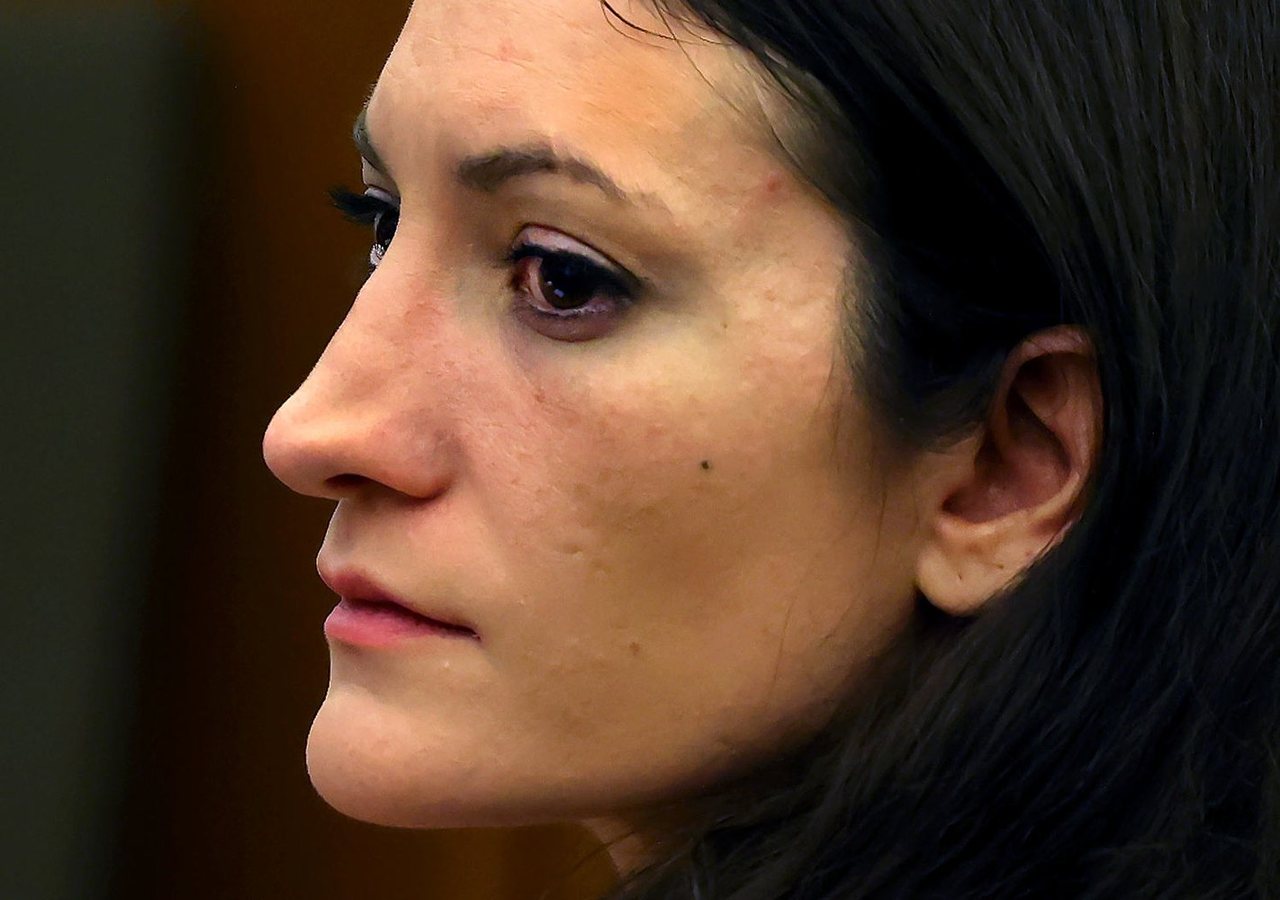
A Massachusetts judge declared a mistrial Thursday after the jury in the Lindsay Clancy case said it was hopelessly deadlocked, leaving unresolved one of the most closely watched criminal trials involving postpartum mental illness in recent years.
Clancy, a former labor and delivery nurse from Duxbury, was charged in connection with the deaths of her three young children in January 2023. Prosecutors argued she planned the killings, while her defense team maintained she was in the grip of severe postpartum psychosis and therefore not criminally responsible for her actions.
The jury deliberated for days before informing the court that it could not reach a unanimous verdict. The judge accepted the deadlock and declared a mistrial, a decision that means prosecutors must now decide whether to retry the case or drop the charges.
The trial had drawn intense national attention, in part because it forced a public reckoning with how the legal system treats mothers who harm their children while suffering from postpartum psychiatric conditions. Mental health professionals and advocates followed the proceedings closely, warning that the case could shape public understanding of postpartum psychosis and influence whether women seek help.
During the trial, expert witnesses for the defense testified that Clancy was suffering from a severe mental illness at the time of the deaths. They described postpartum psychosis as a rare but serious condition that can involve delusions, hallucinations, and a break from reality. Prosecutors countered with evidence they said showed Clancy acted deliberately and understood the nature of her actions.
The case also prompted broader conversations about maternal mental health care in the United States. In the wake of the trial, clinicians reported an increase in patients and families asking about postpartum psychiatric risks, according to coverage of the case. Some doctors said the proceedings had shaken both patients and providers, leading them to seek additional support and resources.
Legal experts noted that a mistrial does not amount to an acquittal. The prosecution retains the option to bring the case before a new jury, though such decisions often hinge on the strength of the evidence and the willingness of families to endure another trial.
Clancy’s case had previously drawn comparisons to legal approaches in other countries, particularly the United Kingdom, where postpartum psychosis is sometimes treated through specialized mother and baby psychiatric units rather than through the criminal justice system. Advocates in the United States have pointed to those models as alternatives worth studying.
No date has been set for any potential retrial, and officials have not announced whether they intend to pursue one. The families involved have not issued public statements since the mistrial was declared.