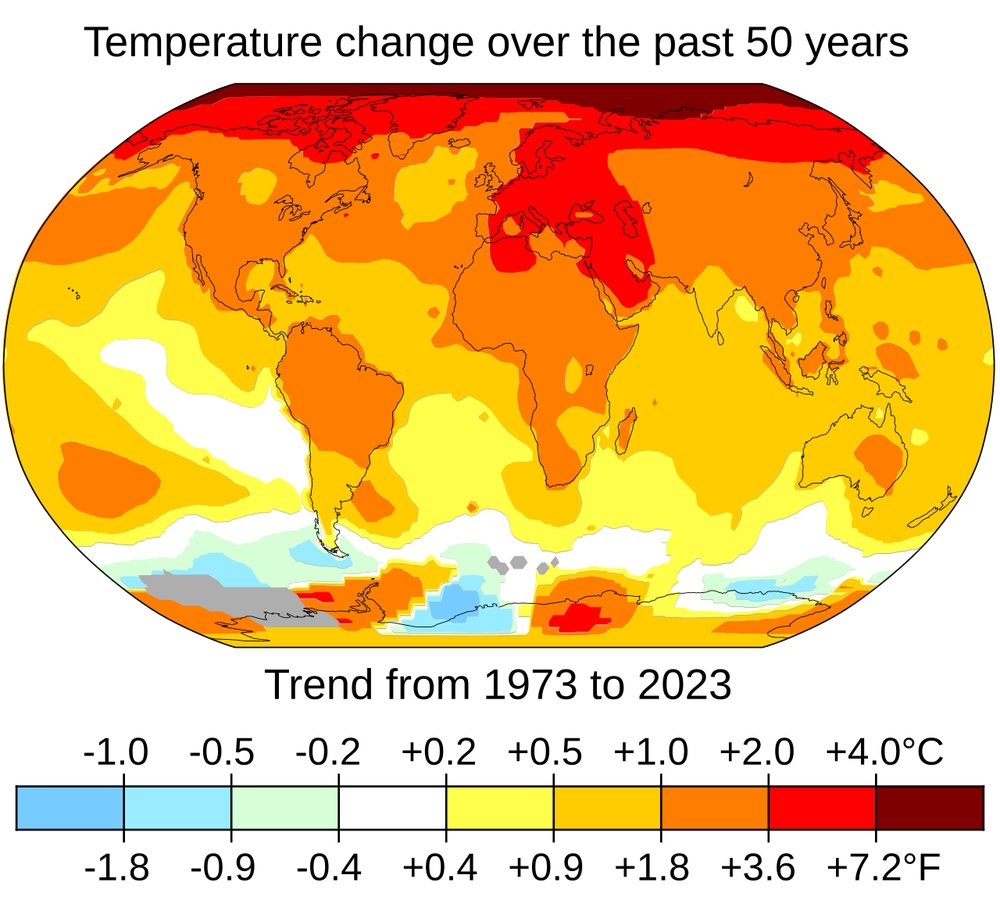
Human activity is heating the planet, and the burning of fossil fuels is the main driver of that warming. A short explainer published by the BBC sets out the basic picture of climate change for readers who want a plain-language starting point on one of the most discussed issues of the day.
The central argument is straightforward. Coal, oil and gas release greenhouse gases when they are burned for electricity, heating, transport and industry, and those gases trap heat in the atmosphere. The explainer presents this as the reason for a steady rise in global temperatures, a rise linked directly to human activity rather than to natural variation alone. The point is central to the piece: the warming is not presented as a coincidence of natural cycles but as a consequence of what societies burn and emit.
The warming carries consequences for both people and the natural world. The explainer notes that it threatens human communities and ecosystems, placing pressure on the environments and living systems that societies depend on. Presented in this way, climate change is not a distant scientific abstraction but a present concern that affects everyday life, from the places people live to the wider systems that sustain them.
The material available for this summary is limited. It is a brief explainer rather than a reporting piece, and only one summary sentence of its text was captured, so the full guide is not reflected here in its entirety. As a result, specific figures on temperature rises, timelines for future change and the regional impacts expected in different parts of the world are not included. No named experts, quotations, official reactions or dates were available in the supplied material, and none have been added. Readers seeking those details would need to consult the complete guide directly.
What the explainer does establish is the core causal link that underpins much of the public debate: human emissions from burning fossil fuels are driving the warming, and that warming poses risks to people and the ecosystems around them. That premise forms the foundation for the wider discussion of how societies might respond, a discussion the available material does not extend into specific policy proposals or outcomes.