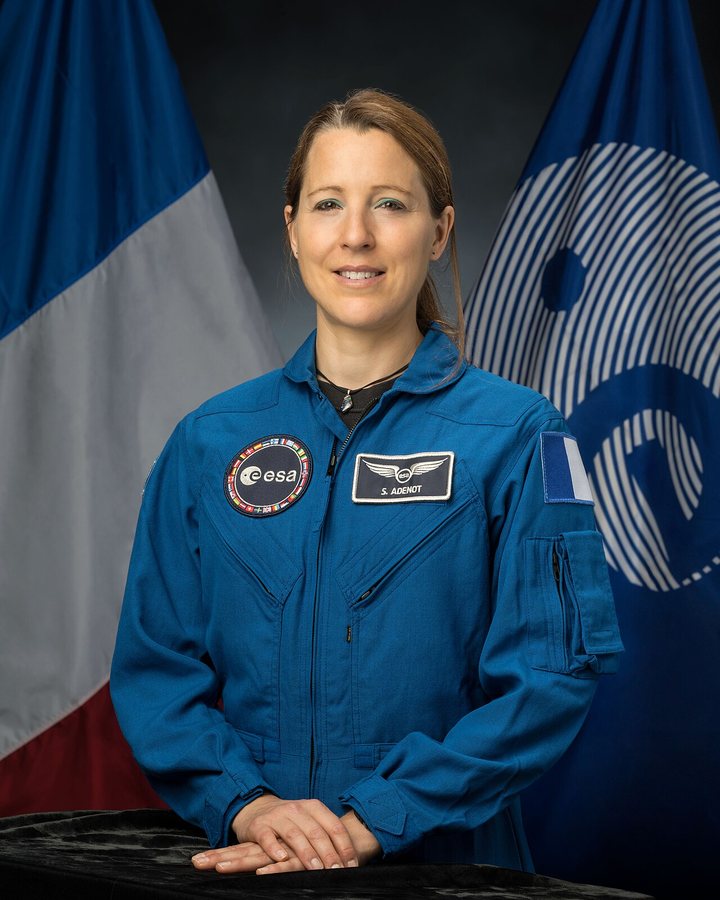
French astronaut Sophie Adenot of the European Space Agency (ESA) is scheduled to perform her third spacewalk outside the International Space Station (ISS) on Tuesday, September 1, 2026. The announcement follows her two previous excursions in August, the most recent of which took place on August 18 and was broadcast live by NASA.
Adenot, who has been stationed aboard the ISS as part of an ongoing expedition, will venture outside the orbital laboratory to continue maintenance and upgrade work on the station's external systems. The upcoming spacewalk is expected to last several hours, during which Adenot will work in the vacuum of space alongside her crewmates, following procedures that have become routine for long-duration missions.
The August 18 spacewalk, captured in a NASA video retransmission, showed Adenot safely returning to the station's airlock after completing her tasks. That excursion marked her second time stepping outside the ISS, and the successful completion of the operation paved the way for the third outing now planned for early September.
Spacewalks, formally known as extravehicular activities (EVAs), are among the most demanding aspects of life aboard the ISS. Astronauts must don pressurized suits, undergo lengthy pre-breathing protocols to avoid decompression sickness, and navigate the exterior of the station while managing tools and equipment in microgravity. Each EVA requires meticulous coordination between the crew inside the station and mission control teams on the ground.
Adenot's presence on the ISS is part of a broader European contribution to the international partnership that operates the station. ESA astronauts regularly participate in long-duration missions, conducting scientific experiments, maintaining station infrastructure, and supporting the continued operation of the orbital outpost. Her mission reflects the ongoing collaboration between ESA, NASA, and other international space agencies.
The exact objectives of the September 1 spacewalk have not been fully detailed in public communications, but such outings typically involve tasks such as replacing external components, installing new equipment, inspecting systems, or preparing the station for future upgrades. The work is critical to ensuring the ISS remains functional and safe for its crew, particularly as the station continues to operate well beyond its original design lifetime.
For Adenot, the third spacewalk will add to her growing experience in extravehicular operations, a skill set that is valuable for future missions, including potential long-duration flights to the Moon or Mars. Space agencies have increasingly emphasized the importance of EVA proficiency as they plan for more ambitious exploration programs that will require astronauts to work outside their spacecraft for extended periods.
The ISS has been continuously inhabited since November 2000, hosting astronauts from multiple countries over more than two decades. Spacewalks have been a regular feature of station operations since the earliest days of its assembly, with hundreds of EVAs conducted to build, maintain, and upgrade the facility. Each new spacewalk adds to that legacy, demonstrating the ongoing human presence in low Earth orbit.
NASA and its international partners typically provide live coverage of spacewalks, allowing the public to watch astronauts work outside the station in real time. The upcoming September 1 excursion is expected to receive similar coverage, giving viewers a chance to see Adenot and her crewmates operate in the harsh environment of space.
As the date approaches, mission teams will continue to review procedures, check equipment, and monitor weather and orbital conditions to ensure a safe and successful outing. Spacewalk schedules can shift due to technical issues or other operational constraints, but as of now, the September 1 date stands as planned.