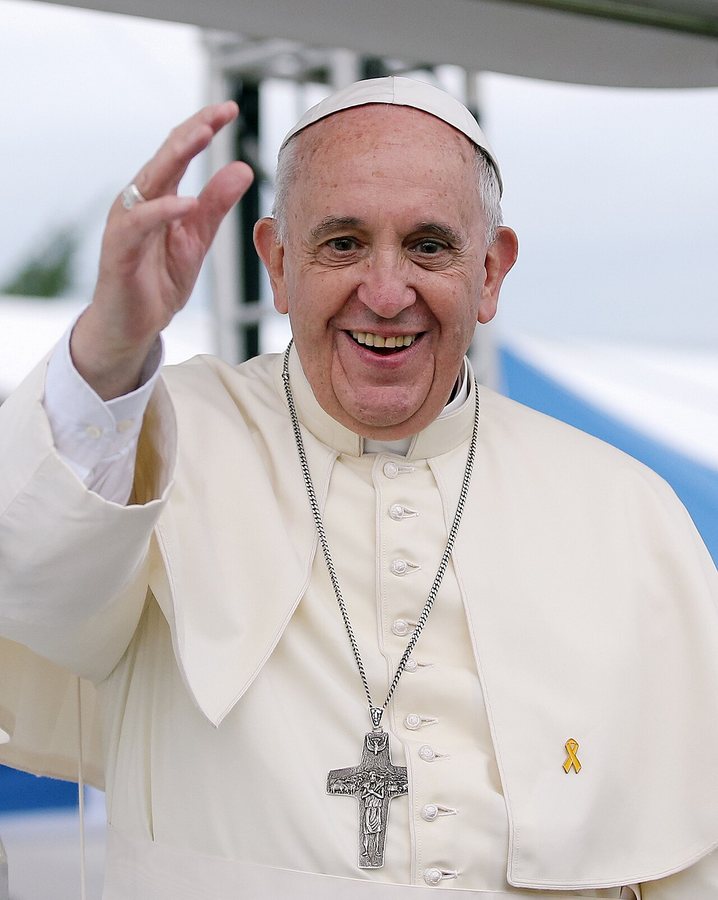
The health of the popes has long been a matter of intense public interest, not only because of the spiritual authority they hold but also because their physical condition can shape the governance of the Catholic Church. A review of the last several pontificates reveals a recurring pattern: each pope has faced distinct medical challenges, often under the scrutiny of a global faithful and a watchful media.
The sudden death of John Paul I in 1978, after only 33 days as pontiff, remains one of the most striking episodes in modern papal history. His passing, attributed to a heart attack, came so soon after his election that it left the Church and the world in shock. It also underscored the unpredictability of papal health and the absence of a public protocol for such an event.
His successor, John Paul II, endured a long and highly visible series of health struggles. From the assassination attempt in 1981 to the onset of Parkinson's disease, his physical decline became a defining feature of his later years. Despite his frailty, he continued to travel and appear in public, offering a powerful witness of endurance that resonated with many believers. His final years were marked by a gradual loss of mobility and speech, yet he remained a symbol of suffering embraced with faith.
Benedict XVI, who succeeded John Paul II in 2005, faced a different set of challenges. His pontificate was characterized by a gradual diminishment of strength linked to advanced age. In 2013, he became the first pope in centuries to resign, citing a lack of physical and mental stamina to carry out the Petrine ministry. His decision, though unprecedented in modern times, was framed as an act of humility and responsibility, and it opened a new chapter in how the Church might handle a pope's declining health.
The current pontiff, Francis, has also experienced recurring health issues. From mobility problems that have required him to use a wheelchair or cane, to bouts of bronchitis and intestinal surgery, his medical condition has frequently been the subject of speculation and concern. His hospitalizations, particularly in recent years, have drawn prayers from Catholics worldwide and prompted discussions about the future of his papacy. Each time, the Vatican has issued updates, balancing transparency with discretion.
These episodes highlight a broader theme: the papacy is not immune to the vulnerabilities of the human body. The health of a pope can influence the rhythm of Church governance, the scheduling of major events, and even the timing of a resignation. For the faithful, the pope's suffering is often seen as a participation in the cross, a reminder that spiritual leadership is exercised through human weakness.
Historically, the Vatican has been cautious about disclosing detailed medical information, but in recent decades, greater openness has become the norm. This shift reflects both the demands of a global media age and a pastoral desire to keep the faithful informed. The way papal health is communicated can also affect perceptions of stability within the Church.
As the Church continues to navigate these challenges, the health of the popes remains a subject that intertwines faith, medicine, and governance. It is a reminder that even the most exalted office is held by a mortal man, whose frailty can become a source of unity and reflection for millions.