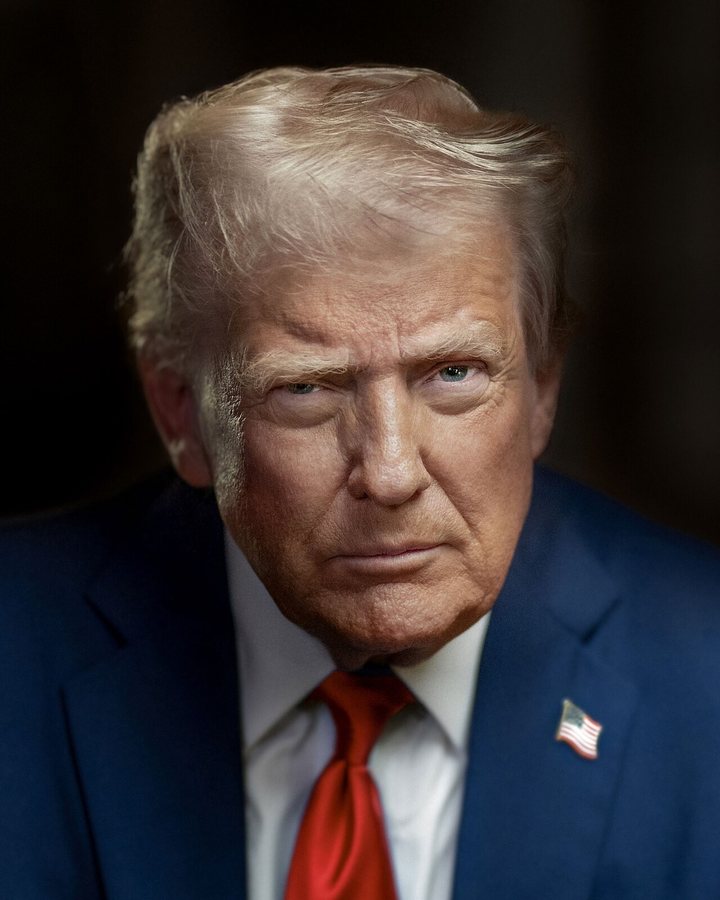
The coalition that carried Donald Trump to power, uniting billionaire backers with blue-collar voters, has been broken apart by class politics, according to a column by Guardian commentator Aditya Chakrabortty published in November 2026. In his reading, the fracture is not primarily the product of culture-war arguments but of a widening sense among ordinary Americans that the economy is tilted in favour of the very wealthy.
At the centre of the argument is the growing gap between the fortunes of technology executives and the daily pressures facing working families. Chakrabortty points to the contrast between tech figures getting richer while many Americans continue to struggle with the cost of living. Democrats, he notes, campaigned on the theme of economic unfairness in the United States, and voters appear to have responded to that message. The column suggests that this appeal to material grievance has cut into the support base that the Republican side had assembled from workers who had once been drawn by its populist rhetoric.
The column also looks back at the political mood of 2025, when Trump’s return to the White House was accompanied by talk of a “vibe shift” in American public life. Commentators and corporate leaders at the time suggested that the old rules of politics had been swept away, and that elites were free to speak and act with fewer constraints. Chakrabortty cites a top banker who told the Financial Times he felt liberated by looser norms around speech, a remark he uses to illustrate the enthusiasm among elites for that shift. The quote, in his telling, captures a moment in which business leaders read the new political climate as an opening rather than a risk.
Chakrabortty’s argument is that this elite confidence sits uneasily beside the experience of voters outside the boardroom. When corporate and political figures celebrate the loosening of old constraints while household budgets tighten, the gap between the two worlds becomes harder to paper over. He presents this tension as the force that has pulled the coalition apart, rather than any single policy or personality.
The piece is an opinion column, and its conclusions are the author’s own interpretation rather than a reported finding. The excerpt available does not set out the specific election results on which the argument rests, and the full text sits behind a paywall, so further detail on the evidence he cites cannot be confirmed here. What the column makes clear is its central claim: that a coalition built on shared opposition to the establishment is now being divided by the question of who benefits from the economy.