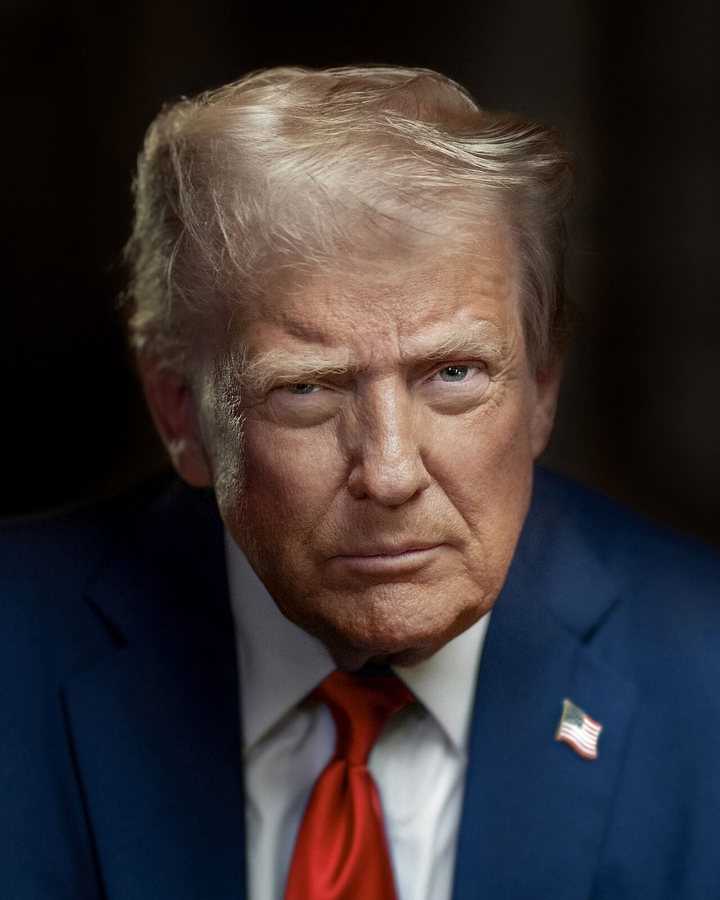
The White House Correspondents' Association has demanded the immediate restoration of press credentials for CNN and other news organizations after the Trump administration blocked their journalists from accessing the White House. The move marks a significant escalation in the long-running tension between the president and the mainstream media, and it raises urgent questions about the place of a free press in a democratic system.
The association, which represents the journalists assigned to cover the president and the executive branch, issued a sharp response to the exclusion. It called for « un rétablissement immédiat » of access, framing the decision not merely as a logistical dispute but as a threat to the public's ability to hold power accountable. The White House has not publicly detailed the criteria used to bar the outlets, but the action follows a pattern of restricted access for reporters whose coverage the president has criticized.
At stake is more than the convenience of a few news crews. The White House is a public institution, and the press corps that covers it serves as the eyes and ears of citizens who cannot attend briefings or walk the halls themselves. When specific outlets are singled out for exclusion, the flow of information to the public is narrowed, and the president gains the power to choose which questions he will face and which he will not. That is a question not only of media policy but of political ethics and the moral limits of executive power.
The confrontation fits a broader historical pattern in which presidents have clashed with the press over access and tone. From the Nixon administration's enemies list to later disputes over pool reports and off-camera briefings, the relationship between the White House and the media has always been contested. Yet the exclusion of named news organizations from the premises represents a more direct form of pressure, one that critics say crosses a line from criticism into punishment.
CNN and the other affected outlets have continued to report on the administration through other means, but their absence from the White House grounds complicates the daily work of gathering verified information. The correspondents' association has stressed that access is not a privilege granted to friendly outlets but a practical necessity for accurate coverage of the presidency. Its demand for immediate restoration reflects a concern that any prolonged exclusion could become a precedent, normalizing the idea that a president may decide which journalists are legitimate.
The dispute also touches on the role of religious and civic institutions in defending public truth-telling. Many faith traditions hold that bearing witness to the truth is a moral obligation, and that those in power must be subject to scrutiny. In that light, the exclusion of journalists is not only a media story but a test of whether a society will insist that its leaders answer to the public, or whether it will allow the channels of accountability to be closed one outlet at a time.
For now, the White House Correspondents' Association is pressing for a reversal, and the affected newsrooms are weighing their next steps. The outcome will shape how the administration deals with the press in the months ahead, and it will signal to the public whether the president views a free press as an adversary to be managed or as a constitutional partner to be tolerated. The answer matters far beyond the briefing room.