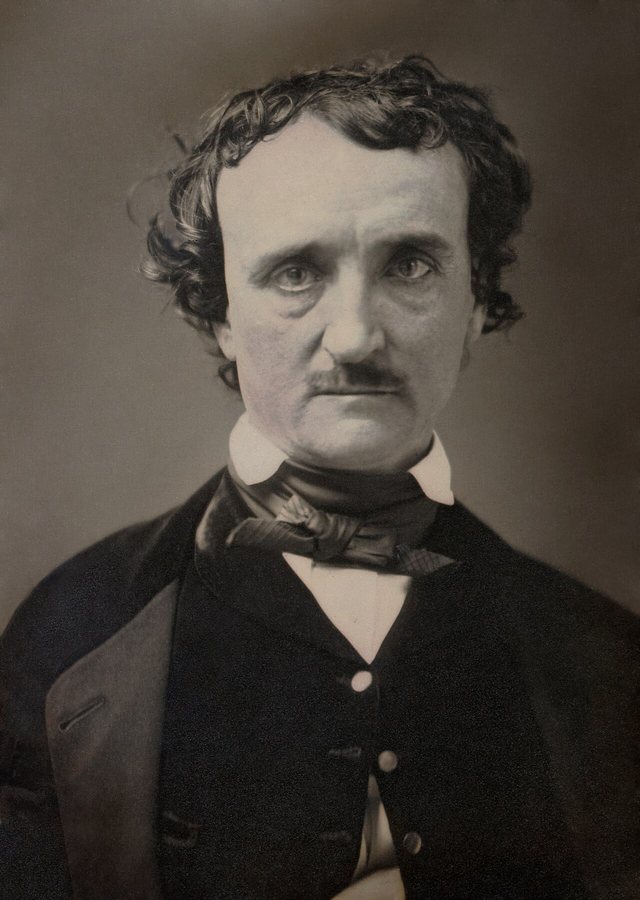
Edgar Allan Poe, the American writer whose tales of terror and poems of loss helped shape modern literature, is being remembered on the 177th anniversary of his death. The milestone places one of the country's most influential and enigmatic authors back in the public eye, more than a century and three quarters after his life ended.
Poe died in 1849, and the anniversary falls on October 7, according to the observance tied to the date. The writer's death has long been one of the most debated episodes in American letters. He was found in Baltimore in a state of distress, wearing clothes that were not his own, and died days later. The exact cause has never been settled, and theories have ranged from illness and exposure to alcohol, drugs, and even foul play. No definitive answer has emerged, and the mystery has only deepened his hold on readers.
What is not in dispute is his influence. Poe is widely credited with helping to invent the modern detective story through works such as «The Murders in the Rue Morgue», and his psychological horror set a template that writers, filmmakers, and television creators still follow. «The Raven», his poem of grief and haunting, remains one of the most recognizable works in American literature, and its refrain has passed into everyday speech. Stories like «The Tell-Tale Heart», «The Fall of the House of Usher», and «The Cask of Amontillado» are staples of classrooms and anthologies, and they continue to be adapted across media.
The anniversary also highlights Poe's role in American culture beyond the page. His image and his themes have been absorbed into music, film, and popular entertainment, and his name is attached to awards, societies, and museums. In Baltimore, the site of his grave has drawn visitors for generations, and the annual observance there has become a ritual for admirers. The continued attention reflects a rare kind of staying power: an author whose work is both a fixture of serious study and a familiar presence in popular culture.
For readers and scholars, the 177-year mark is a reminder of how much of Poe's reputation rests on a relatively small body of work. He wrote poetry, short fiction, criticism, and essays, and he worked as an editor and magazine writer during a difficult career. His financial struggles and personal losses, including the death of his wife Virginia, have been woven into the story of his writing, sometimes overshadowing the craft itself. The anniversary offers a chance to return to the texts and to separate the man from the legend that grew around him.
Poe's reach is also international. His work was translated and admired in Europe, and writers there treated him as a major figure before some American critics did. That transatlantic reputation helped secure his place in the canon and made him one of the country's earliest literary exports. Today his stories are read in dozens of languages, and his influence can be seen in crime fiction, science fiction, and the gothic tradition alike.
The 177th anniversary is not a round number, but it carries its own weight. It marks another year in which Poe's themes — guilt, grief, obsession, and the thin line between reason and madness — continue to feel immediate. For an author who wrote so often about endings, the enduring attention suggests that his own story is far from finished.