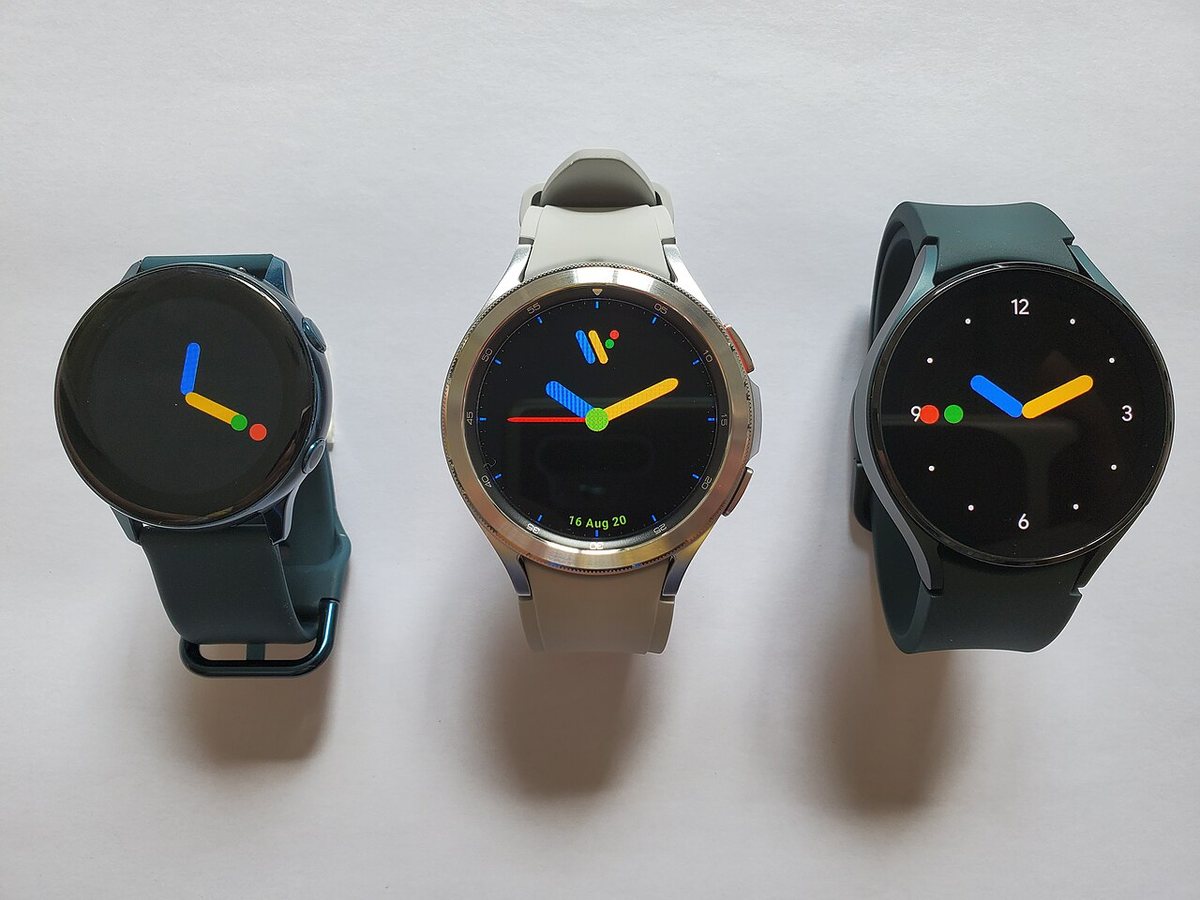
Wearable technologies are steadily moving from consumer fitness tracking into the clinical trial setting, where researchers are using them to gather continuous physiological data from participants outside the laboratory. The shift is drawing attention from scientists and regulators who see potential in richer, real-world measurements but remain divided over whether the devices deliver the scientific rigor that medical research demands.
The appeal is straightforward. Traditional clinical trials often depend on intermittent clinic visits, patient recall, and snapshots of health status captured at a single moment. Wearables can record heart rate, activity, sleep patterns, and other signals around the clock, potentially offering a more complete picture of how a treatment affects daily life. That continuous stream of data could help researchers detect subtle changes that periodic testing might miss.
Yet the same features that make wearables attractive also raise questions. Consumer-grade devices are designed for general wellness rather than medical-grade measurement, and their accuracy can vary across users, conditions, and environments. Researchers must decide whether data collected by a wrist-worn sensor is reliable enough to support conclusions about drug efficacy or disease progression, and how to handle the large volumes of information such devices generate.
The debate extends beyond hardware. Clinical trials operate under strict protocols governing endpoints, data quality, and regulatory acceptance. Incorporating wearables means rethinking how endpoints are defined, how missing data are managed, and how participants are trained to use the technology consistently. Without clear standards, the risk is that wearable-derived measurements complicate rather than clarify trial results.
Proponents argue that the technology could make trials more patient-centered. Participants may prefer wearing a device to making frequent clinic trips, and remote monitoring could widen access for people who live far from research centers. That possibility has gained urgency as the research community looks for ways to make studies faster, more inclusive, and more representative of real-world populations.
Skeptics caution that enthusiasm for the technology can outpace the evidence supporting it. They point to the need for validation studies that compare wearable measurements against established clinical instruments, and for transparency about algorithms that convert raw sensor signals into health metrics. If those algorithms are proprietary or poorly understood, independent verification becomes difficult.
The stakes are significant for medicine, where trial results inform treatment guidelines, regulatory approvals, and patient care. A measurement tool that is convenient but imprecise could introduce bias or noise into studies that are already expensive and difficult to run. Conversely, a well-validated wearable could expand what researchers are able to observe and shorten the path from discovery to clinical use.
For now, the field appears to be in a transitional phase. Wearables are being adopted in research settings with growing frequency, but their role is still being negotiated case by case. The central question is not whether the devices can collect data, but whether that data can meet the evidentiary bar that clinical science requires.
How that question is resolved will shape the next generation of trials. If validation and standardization keep pace with adoption, wearables could become a routine part of how treatments are tested. If they do not, the technology may remain a promising supplement rather than a transformative force in clinical research.