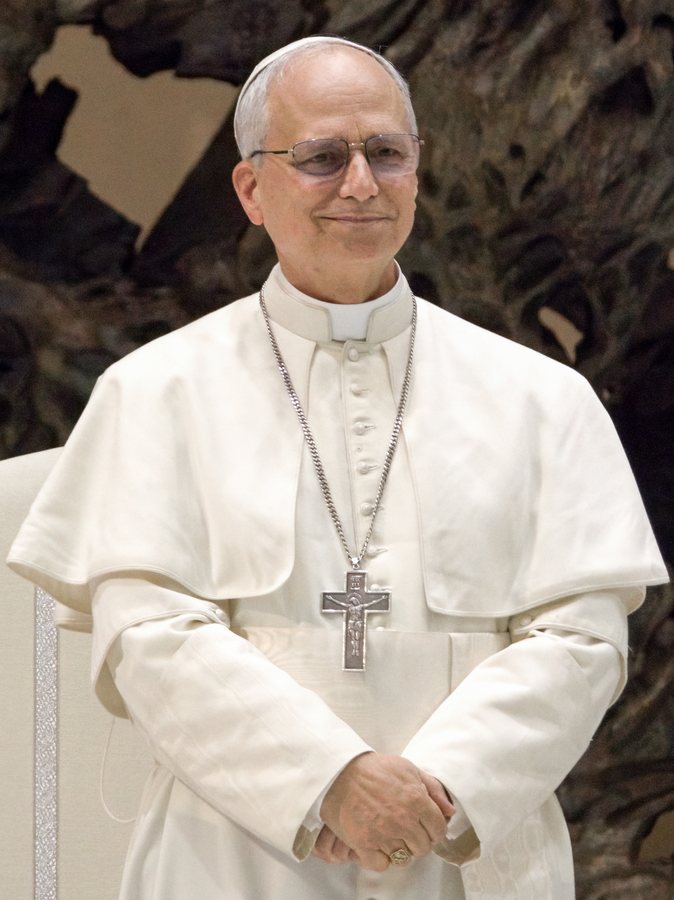
An estimated 800,000 people gathered in Lourdes for Pope Leo XIV's first mass in France, marking the first papal visit to the country in almost two decades. The large outdoor service was held on Saturday, drawing pilgrims from across France and beyond to the Marian shrine town in the foothills of the Pyrenees.
The scale of the attendance underscores the continued pull of the papacy in a country where Mass attendance has declined sharply in recent decades. Lourdes, one of the world's most visited Catholic pilgrimage sites, has long been associated with healing and devotion to the Virgin Mary. The choice of the shrine for the Pope's first French mass carries particular significance for French Catholics, many of whom have made the journey there for generations.
Pope Leo XIV's visit is the first by a pontiff to France since 2008, when Benedict XVI travelled to Paris and Lourdes. The near 20-year gap had made the prospect of a papal visit a subject of keen anticipation among the French faithful, and the turnout on Saturday reflected that. Pilgrims began arriving in Lourdes days in advance, filling hotels, guesthouses and campsites in the surrounding area.
Security was tight around the shrine and the open-air site where the mass was celebrated. French authorities coordinated with Vatican and local officials to manage the movement of hundreds of thousands of people through a town that normally hosts a fraction of that number. Emergency services, volunteers and church organisers worked together to provide water, medical assistance and crowd control.
The mass itself followed the traditional liturgy, with readings and prayers in French and other languages. In his homily, the Pope spoke to the assembled pilgrims about faith, hope and the role of the Church in contemporary society. The service concluded with a blessing over the crowd, many of whom had waited hours in the open air to secure a place.
Beyond the religious dimension, the visit carries weight for the wider region. Lourdes depends heavily on pilgrimage tourism, and a papal visit of this magnitude brings a significant economic boost to the town and the surrounding department. Local businesses, transport operators and accommodation providers had prepared for months for the influx.
The visit also places France briefly at the centre of global Catholic attention. Pope Leo XIV's programme included meetings with church leaders and civil authorities, though the mass remained the focal point of the trip. For the hundreds of thousands who travelled to Lourdes, the day was above all a spiritual occasion, one that organisers said passed without major incident.
Reaction among those who attended was one of quiet satisfaction. Many described the experience as a high point of their religious lives, and several said they had come as families, some with elderly relatives and young children. Church officials in France said the turnout exceeded their expectations and confirmed Lourdes' enduring place in Catholic life.
The visit is expected to be remembered as a defining moment for the Church in France, coming after a long interval without a papal presence. For Dominicans following the news from home and across the diaspora, the event is a reminder of the wider Catholic communion to which many belong, and of the shared traditions that link Caribbean believers to the global Church.