Zara Tindall’s late-summer run has put the 45-year-old rider firmly back at the centre of British eventing. Three weeks after winning the British Open Championship at Hartpury with Class Affair, she spent the first weekend of September at the Defender Burghley Horse Trials in Lincolnshire, moving through the sport in a different role: experienced champion, ambassador and familiar face to younger riders.
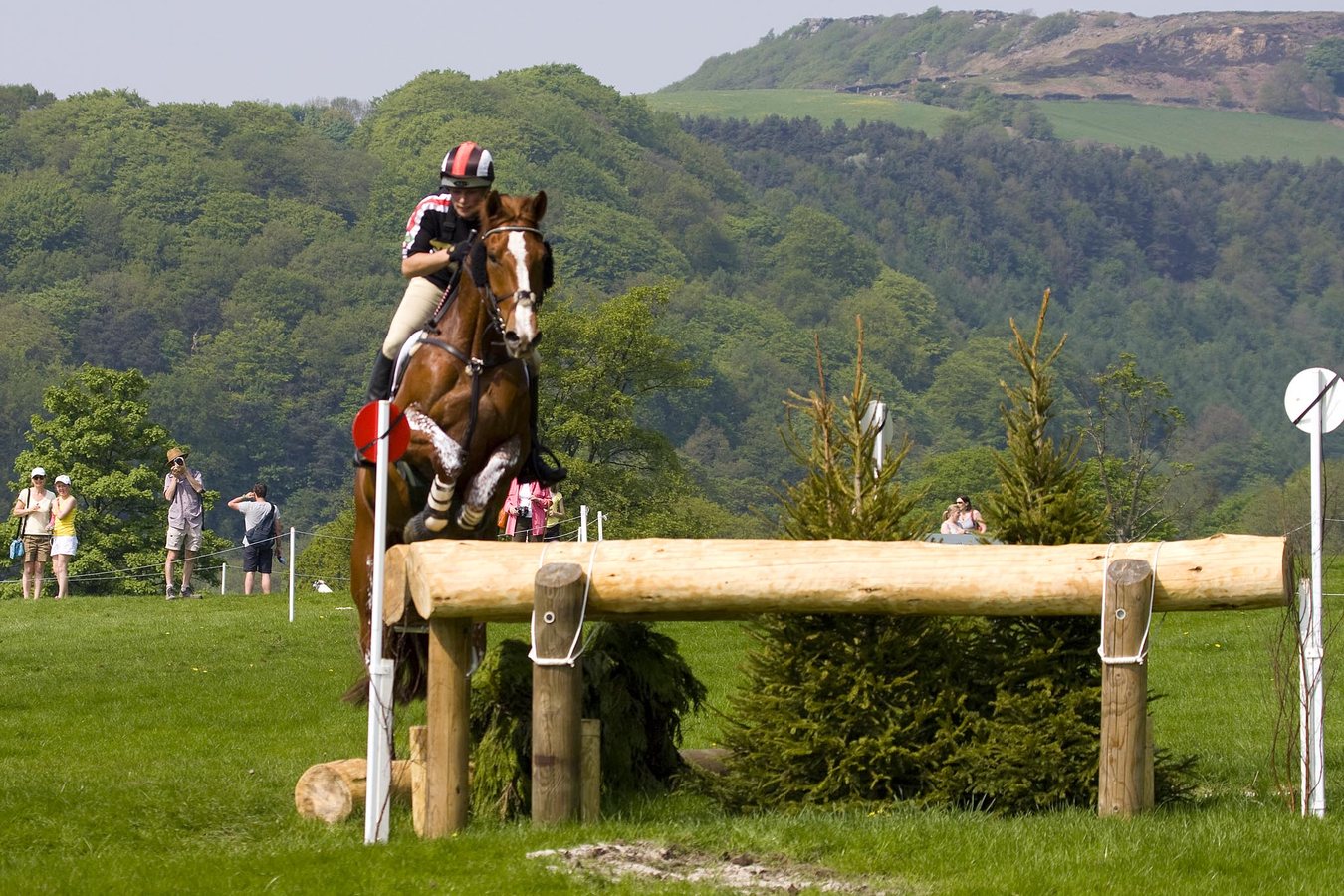
The Hartpury result remains the defining competitive moment. Tindall and Class Affair won the NAF CCI4*-S and British Open Championship on 15 August, finishing on 33.3 after adding only 0.4 time penalties across country. The result came after they had sat outside the leading group following dressage, leaving the jumping phases to decide the championship.
Class Affair, a 17-year-old chestnut gelding, delivered when the pressure rose. Tindall later credited the horse, his owner Catherine Rivett and the team around them. Hartpury also awarded the pair the trophy for the highest-placed British rider and the prize for finishing closest to the cross-country optimum time.
For Tindall, the significance went beyond one good weekend. Hartpury described the victory as her first major championship title in 20 years, a span that reaches back to the period when she won individual world gold at Aachen in 2006. Her career has long been measured against those early achievements, including the team silver medal she won for Britain at the London 2012 Olympics.
That history made her presence at Burghley from 3 to 6 September feel less like a celebrity appearance and more like a return to one of the sport’s natural stages. Burghley has been part of her competitive story for more than two decades. She finished second there in 2003 on Toytown and has returned repeatedly with later horses.
This year she was reported watching the dressage on Friday, 4 September, before appearing in a motivational clip around the event. Her message to riders was characteristically brief: “Ride it like you stole it.” It was a line built for social media, but it also reflected the attacking cross-country mentality associated with top-level eventing.
The contrast with Hartpury was useful. At Hartpury, Tindall was the rider chasing a championship against a deep field. At Burghley, she could step outside the start box and occupy the senior role that comes with a career spanning world and Olympic medals. Younger competitors and fans encountered someone whose reputation is rooted in results rather than in her place in the Royal Family.
That distinction has always mattered to Tindall’s sporting identity. She is the daughter of the Princess Royal and Captain Mark Phillips, both former Burghley winners, but her own record has been built through selection, competition and the long cycle of developing horses. The Hartpury win reinforced that point because it arrived with an older horse after years of partnership rather than through a sudden breakthrough.
There is also a practical question about what comes next. The FEI currently lists Tindall as an active British eventing athlete but, as of 7 September, shows no next event on her athlete profile. That leaves the Hartpury victory as the clearest marker of her current competitive form while Burghley offers a glimpse of the wider role she now holds inside the sport.
For British eventing, that combination is valuable. Elite riders can disappear from view between major results, but Tindall’s August and September have linked competition, heritage and the next generation in one continuous stretch. The headline is still the title at Hartpury. The more interesting development is that, two decades after her world championship, she remains visible in British eventing not as a figure from its past but as an active rider who can still win at four-star level.
Her next start has yet to be listed. Until it is, the season has already supplied a clear answer to one question: Zara Tindall’s competitive career is not being sustained by nostalgia. At Hartpury, Class Affair carried her back to the top of a British championship; at Burghley, the sport treated her as someone whose experience still belongs in the present tense.