
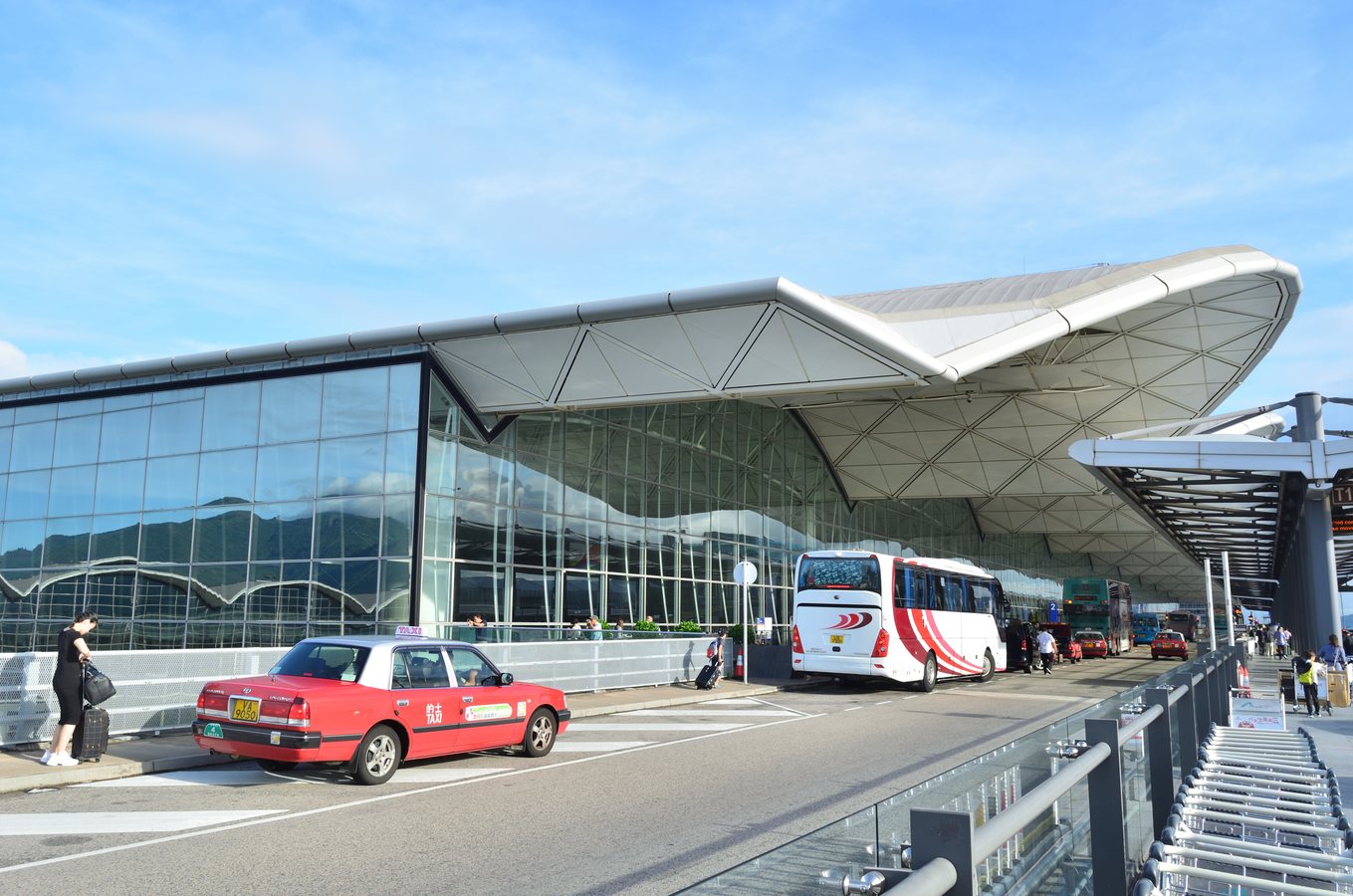
Two drug seizures at Hong Kong International Airport on the same day illustrate how passenger trafficking routes can converge on one hub without necessarily being part of the same criminal network.
Hong Kong Customs said officers detected the two cases on September 6. Together, the seizures involved about 7.5 kilograms of suspected cocaine and about 16 kilograms of suspected ketamine, with an estimated combined market value of roughly HK$11 million. Two men were arrested.
The first passenger was a 48-year-old Japanese man arriving from Bangkok. Customs officers found about 7.5 kilograms of suspected cocaine in his checked baggage. They also reported finding 52 duty-not-paid cigarettes in his carry-on luggage.
The second case involved a 34-year-old British man arriving from London. Officers found about 16 kilograms of suspected ketamine in his checked baggage. His carry-on luggage also contained what customs described as a suspected alternative smoking product and four boxes of suspected Part 1 poisons.
The two cases were processed separately. The Japanese passenger was charged with trafficking in a dangerous drug as well as offences connected to the undeclared cigarettes. The British passenger was charged with trafficking in a dangerous drug and separate offences relating to the smoking product and regulated poisons.
That separation is important. Two large seizures at the same airport on the same day can look like a single coordinated operation, but Customs has not publicly said that the men knew each other or were working for the same organisation. The only established connection is that both arrived at Hong Kong International Airport on September 6 and both were stopped during customs clearance.
From a trafficking perspective, the routes are also different. Bangkok is a major regional aviation hub within Asia, while London connects Hong Kong directly with Europe. Cocaine and ketamine have different production and supply chains, even when both can be moved by individual couriers on commercial flights.
Passenger smuggling relies on the scale of legitimate travel. Large airports process thousands of bags and travellers, creating an environment where criminal groups may try to hide illegal shipments inside normal mobility. Customs agencies respond through intelligence analysis, passenger profiling, baggage inspection and targeted searches rather than trying to inspect every traveller to the same level.
The case also shows why airport enforcement is about more than the headline drug weight. Phones, travel records, ticket purchases, baggage history and financial transactions can all help investigators work backwards from a courier to the people who organised the journey and forward to the intended recipient.
Hong Kong Customs says it will continue to increase enforcement against drug trafficking through intelligence analysis. The two defendants are now moving through the court system, where the prosecution must prove the charges.
For investigators, the unanswered question is whether either arrest leads beyond the individual passenger. A courier can be the end of a case, or the first visible point in a much larger route. That distinction will depend on what officers find in the digital and travel evidence seized with the luggage.