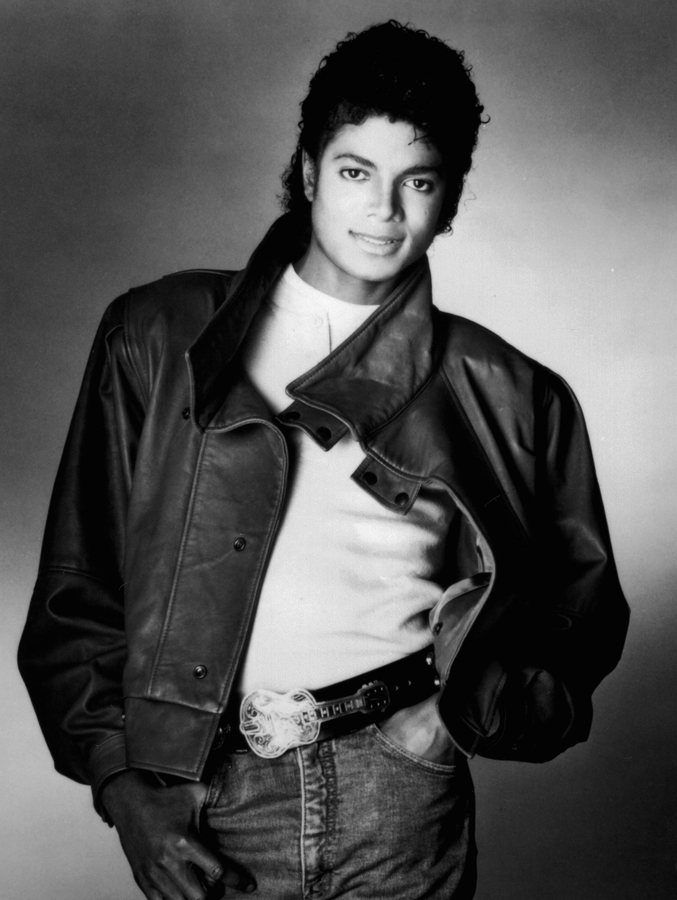
Michael Jackson, widely regarded as the King of Pop, would have celebrated his 68th birthday on August 29. Though more than a decade has passed since his death in 2009, his influence on popular music, dance, and entertainment culture remains as potent as ever, shaping generations of artists across genres and continents.
Born in Gary, Indiana, in 1958, Jackson rose to fame as the youngest member of the Jackson 5 before launching a solo career that would redefine the possibilities of pop stardom. His 1982 album «Thriller» remains one of the best-selling records of all time, and its title track’s music video — directed by John Landis — transformed the medium into an art form and a promotional powerhouse. Songs like «Billie Jean», «Beat It», and «Bad» became global anthems, while his signature dance moves, including the moonwalk, became part of the universal vocabulary of performance.
Jackson’s impact extended far beyond record sales. He broke racial barriers on MTV at a time when the network rarely played Black artists, and his elaborate world tours set new standards for live spectacle. His humanitarian efforts, including the charity single «We Are the World» and support for numerous causes, demonstrated how pop culture could mobilize audiences for social good. At the same time, his later years were shadowed by legal troubles, health problems, and financial difficulties, making his story one of both extraordinary achievement and profound complexity.
In the years since his death, Jackson’s catalog has continued to generate significant revenue, and his music has found new audiences through streaming platforms, film soundtracks, and tribute performances. Documentaries and biopics have kept his legacy in public conversation, while his estate has overseen posthumous releases and reissues that introduce his work to younger listeners. His influence can be heard in the work of contemporary pop stars who cite him as a primary inspiration, from Usher and Justin Timberlake to The Weeknd and Bruno Mars.
Jackson’s cultural footprint also extends into fashion, choreography, and music video production. His signature style — the sequined glove, the fedora, the military jackets — remains instantly recognizable, and his choreography is studied and replicated by dancers worldwide. The 2025 biographical film «Michael», directed by Antoine Fuqua, brought renewed attention to his life and career, sparking fresh debates about his legacy and his complicated personal history.
As fans mark what would have been his 68th birthday, tributes are expected across social media, radio stations, and streaming services. Anniversary events and fan gatherings are planned in cities around the world, reflecting the enduring devotion of a fan base that spans generations. For many, Jackson represents not just a musician but a cultural touchstone — a figure whose artistry transcended boundaries of race, nationality, and genre.
The question of how to remember Jackson remains layered. His artistic contributions are undeniable, and his place in music history is secure. Yet the allegations of child sexual abuse that surrounded him in life and after his death continue to complicate his legacy, prompting ongoing conversations about separating the art from the artist. These discussions are themselves part of his enduring relevance, ensuring that his name remains a subject of both celebration and scrutiny.
Sixty-eight years after his birth, Michael Jackson remains one of the most recognizable and influential figures in entertainment history. His music continues to play in stadiums, clubs, and living rooms around the world, and his influence shows no sign of fading. For a generation that grew up with his videos and for a new generation discovering him through streaming, the King of Pop’s reign endures.