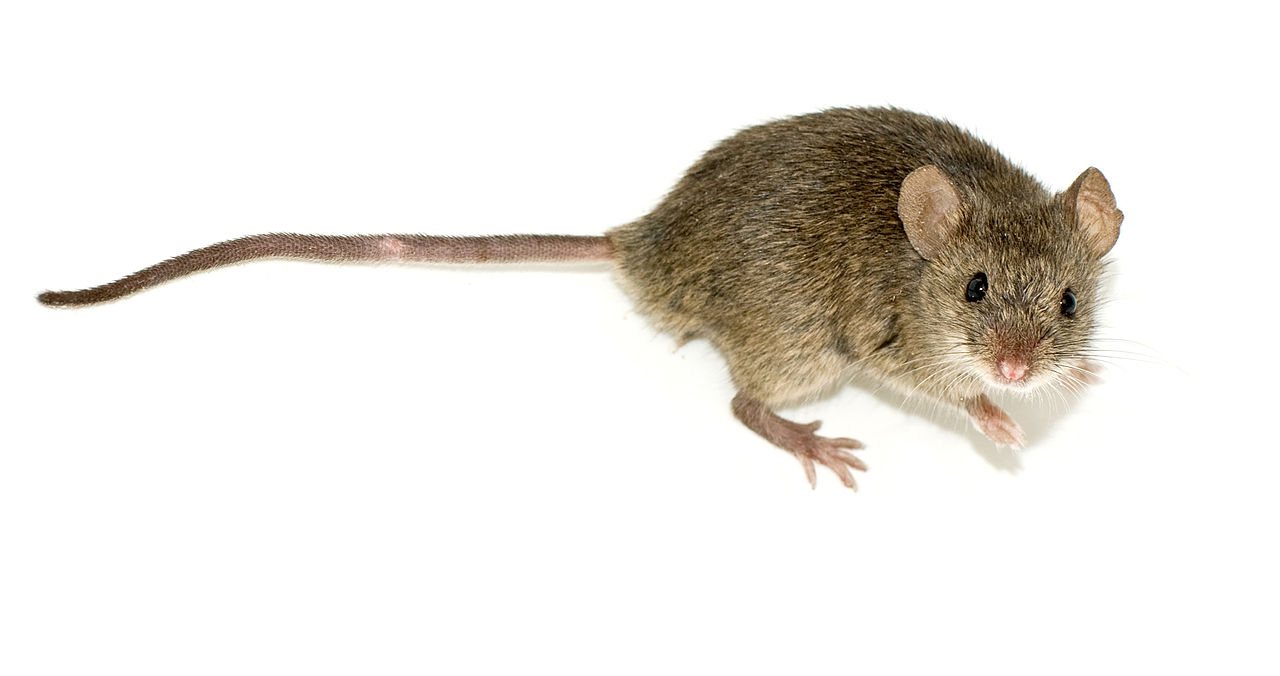
Researchers at Stanford University have genetically altered mice so their brains can receive and function with human brain cells, a development that could give scientists a new way to study human brain biology inside a living animal.
The work centers on making the mouse brain a hospitable environment for human cells. By modifying the animals genetically, the Stanford team created conditions in which transplanted human brain cells can survive and integrate rather than being rejected or left unable to function.
Such models are sought after because human brain tissue is difficult to study directly. Animal models have long been used in neuroscience, but they carry the limitation that animal brains differ from human brains in structure, development, and the way cells communicate. A mouse that can host working human brain cells narrows that gap for specific experiments.
The approach could be used to examine how human neurons behave in a living system, how they form connections, and how they respond to disease or potential treatments. It may also help researchers study conditions that are hard to reproduce in a dish, where cells are isolated from the complex environment of a working brain.
The announcement is likely to draw attention beyond the laboratory. Research that mixes human cells with animal brains raises questions about where the boundary between species should be drawn and what kinds of experiments are acceptable. The Stanford work involved brain cells, the tissue most closely associated with human cognition and identity, which makes the ethical discussion more pointed than for many other types of human-animal research.
Scientists in the field have generally supported such research when it is tightly regulated and aimed at understanding or treating disease, while calling for oversight that keeps pace with the science. The details of how the modified mice were created, how the human cells were introduced, and how well the cells functioned have not been fully described in the available account, leaving open questions about how far the integration goes.
For now, the significance of the Stanford result lies in the tool it provides. If human brain cells can be studied in a living mouse brain, researchers gain a platform for testing ideas about human neural development and disease that would otherwise be difficult or impossible to examine in people. The next steps will involve determining how faithfully the human cells behave in their new environment and what kinds of questions the model can reliably answer.