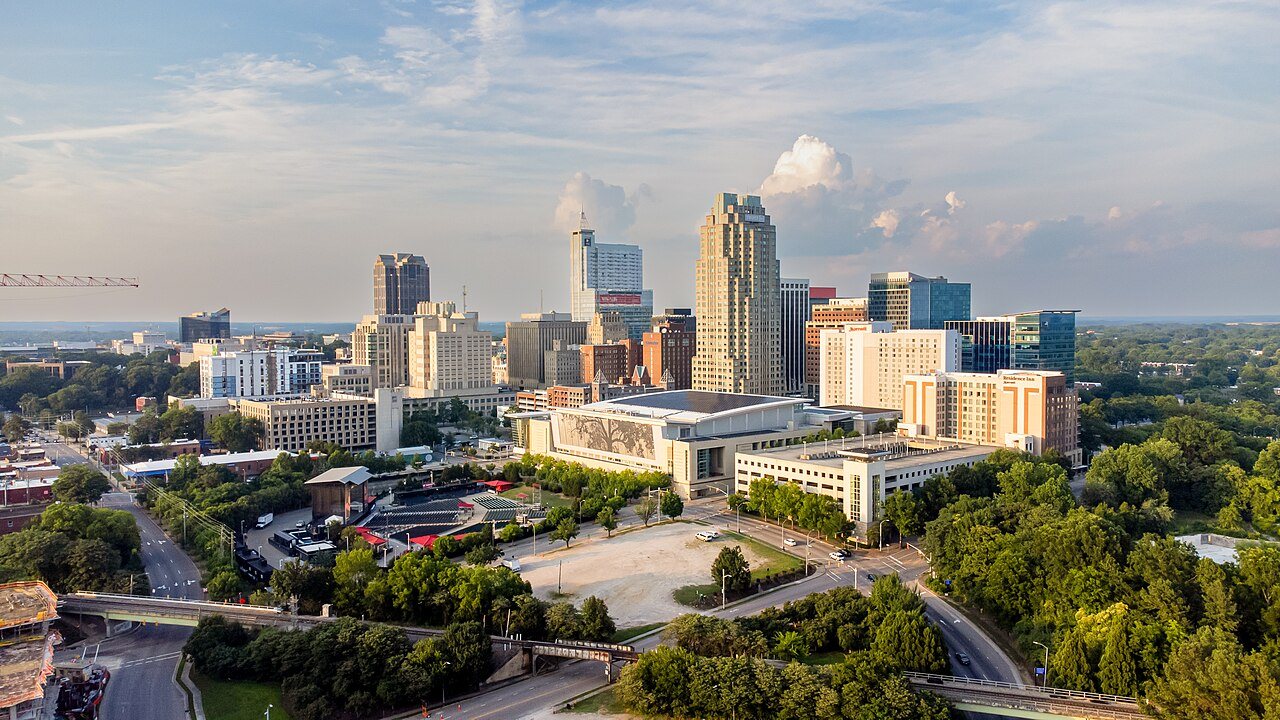
Raleigh voters will head to the polls in 2026 to elect a new mayor, a contest that will shape the direction of North Carolina's capital as it continues to grow rapidly. The election is expected to take place on November 5, 2026, according to the event schedule, though local election authorities will confirm the final date as the cycle approaches.
The mayoral race in Raleigh is officially nonpartisan, meaning candidates appear on the ballot without party labels. However, political affiliations often play a role in how voters and local organizations assess the candidates. The winner will lead a city that has become one of the fastest-growing metropolitan areas in the Southeast, with pressing issues including housing affordability, transportation, public safety, and managing development.
As of now, the field of candidates has not been finalized. Incumbent Mayor Mary-Ann Baldwin has not publicly announced whether she will seek another term. Several potential contenders from the city council, business community, and civic organizations are expected to enter the race in the coming months. The filing period for the 2026 municipal election will likely open in the summer of 2026, giving voters a clearer picture of the choices ahead.
Raleigh's mayoral elections are held every two years, with the mayor serving a two-year term. The position is technically part-time, but the mayor sets the agenda for city council meetings, represents Raleigh in regional and state discussions, and plays a key role in budget decisions. The city council includes eight members elected by district, plus the mayor, who is elected citywide.
Turnout in Raleigh municipal elections has historically been low, often hovering around 15 to 20 percent of registered voters. That dynamic gives organized groups and engaged neighborhoods outsized influence. In 2024, for example, the mayor's race drew attention for its focus on downtown revitalization and public safety, and similar themes are expected to dominate in 2026.
The broader political environment could also affect the race. National and state elections often drive turnout and shape local debates, even in nonpartisan contests. With North Carolina remaining a key swing state, the 2026 midterms will bring heightened attention to local races up and down the ballot. Raleigh's mayoral election will likely be covered as part of that larger political landscape.
For voters, the key dates to watch include the candidate filing period, any primary if more than two candidates qualify, and the general election in November. Wake County elections officials will publish a full schedule, including early voting times and absentee ballot deadlines, closer to the election. Residents can check their registration status and find polling locations through the Wake County Board of Elections.
As the race develops, Boldest Voice will continue to follow the candidates, the issues, and the decisions that will define Raleigh's next chapter. The 2026 mayoral election is still more than a year away, but the groundwork is already being laid, and the choices made by voters will resonate well beyond the city limits.