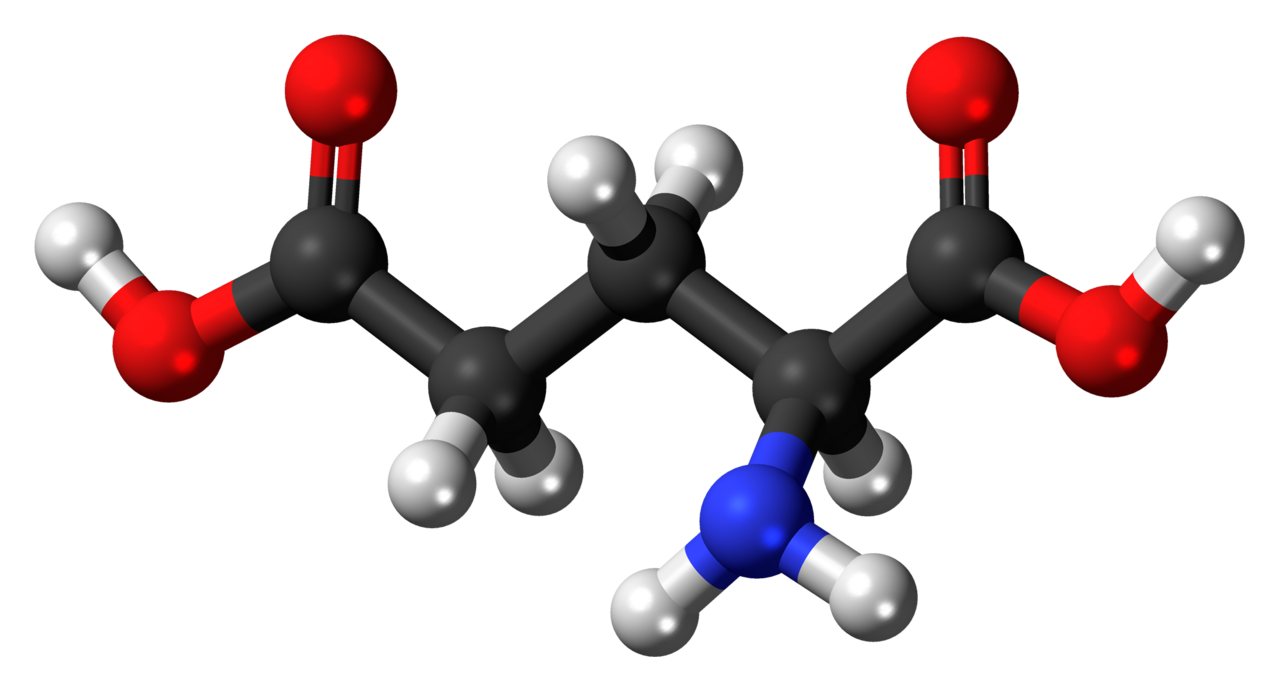
Amino acids, the small molecules best known as the building blocks of proteins, are drawing attention as a potential foundation for a new class of quantum materials. The emerging field sits at the intersection of biochemistry and condensed-matter physics, where researchers are investigating whether these naturally occurring molecules can be engineered to exhibit the quantum behaviors that underpin next-generation computing, sensing, and communication technologies.
The appeal of amino acids lies in their molecular structure. Each amino acid contains functional groups capable of forming hydrogen bonds and other weak interactions, allowing them to self-assemble into ordered structures. In quantum materials research, such order matters: the arrangement of molecules can influence how electrons move and how spins behave, properties that are central to phenomena such as superconductivity, magnetism, and quantum coherence.
Scientists working in this area are examining how amino acid crystals and thin films respond under controlled laboratory conditions. The goal is to understand whether these materials can support quantum states that remain stable enough for practical use. Stability, or coherence time, is one of the biggest obstacles in quantum technology, because quantum information tends to degrade quickly when exposed to heat, vibration, or electromagnetic noise.
What makes the amino acid approach distinctive is its reliance on molecular self-organization rather than the extreme conditions or rare elements often required by conventional quantum materials. Many established platforms depend on ultracold temperatures or complex fabrication processes. If amino-acid-based systems can be made to work at more accessible conditions, they could lower barriers to entry for laboratories and manufacturers alike.
The research also carries implications for sustainability. Amino acids are abundant, biodegradable, and can be produced through biological processes. A quantum material built from such components would align with broader efforts to reduce the environmental footprint of electronics manufacturing, an industry that relies heavily on scarce metals and energy-intensive production methods.
Applications under consideration span several domains. In quantum sensing, amino-acid structures might serve as highly sensitive detectors of magnetic fields or chemical changes, with potential uses in medical imaging and environmental monitoring. In computing, researchers are exploring whether molecular assemblies could act as qubits, the basic units of quantum information, or as components that help connect qubits to one another.
The field remains at an early stage. Much of the work involves fundamental characterization: measuring how these materials conduct electricity, respond to light, and behave at the molecular scale. Translating laboratory findings into functional devices will require advances in fabrication, reproducibility, and integration with existing semiconductor and photonic platforms.
Still, the convergence of biology and quantum physics is attracting growing interest from interdisciplinary research teams. Chemists, physicists, and materials scientists are collaborating to map out which amino acid sequences and structural arrangements produce the most promising quantum properties. The hope is that nature's own molecular toolkit may offer design principles that are difficult to replicate through synthetic chemistry alone.
For now, the work stands as a reminder that quantum technology need not rely solely on exotic materials. Amino acids, refined over billions of years of evolution, may hold lessons for engineers seeking the next generation of quantum devices, and the research community is beginning to take that possibility seriously.