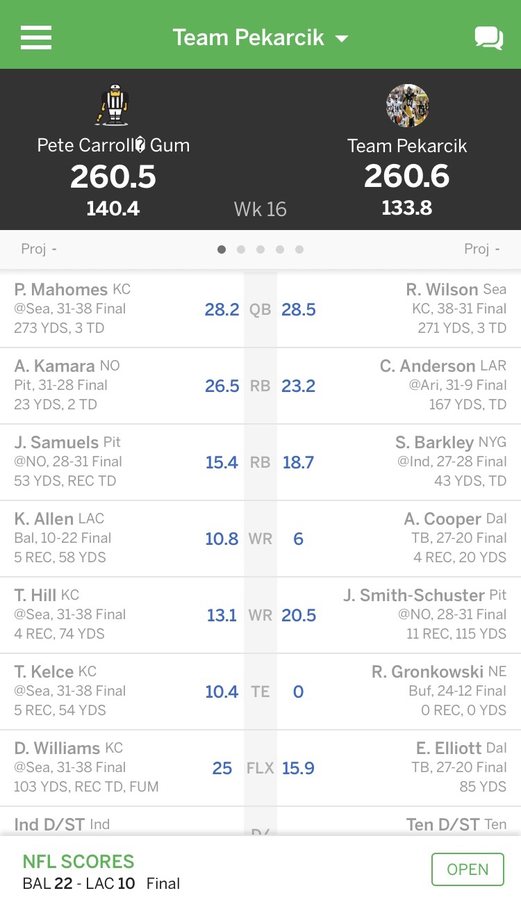
Fantasy football, a pastime that captivates millions of Americans each fall, may offer more than just bragging rights. According to a new video from Business Insider, the strategies and mindset required to succeed in fantasy football can also provide valuable lessons for investing in the stock market.
The comparison hinges on the core skills that both pursuits demand: thorough research, disciplined decision-making, and the ability to manage risk. In fantasy football, players must evaluate a wide range of statistics, from player performance metrics to matchup histories, before setting their lineups. Similarly, investors analyze financial statements, market trends, and economic indicators to make informed choices about which stocks to buy or sell.
One key lesson is the importance of not overreacting to short-term results. In fantasy football, a star player might have a bad game, but dropping them immediately often proves to be a mistake. The same logic applies to investing: a temporary dip in a stock's price does not necessarily mean the company is failing. Panic selling during market downturns can lock in losses, while patience often rewards those who stay the course.
Another parallel is the value of diversification. Fantasy football teams are built with a mix of positions—quarterbacks, running backs, wide receivers—to balance risk and reward. A team that relies too heavily on one player is vulnerable to injury or a slump. In investing, diversification across sectors, asset classes, and geographies helps reduce the impact of any single holding's poor performance. Spreading investments is a fundamental principle of risk management.
The video also highlights the psychological aspect of both activities. Fantasy football players know the sting of a last-minute touchdown that ruins their week, just as investors feel the pain of a market crash. But successful participants in both arenas learn to separate emotion from strategy. They stick to a plan, avoid impulsive moves, and focus on long-term goals rather than daily fluctuations.
For those new to investing, the fantasy football analogy can make the stock market feel more approachable. The video, part of Business Insider's coverage of business and markets, suggests that the skills honed in managing a fantasy team—researching, strategizing, and staying level-headed—are transferable to building a real portfolio. While fantasy football is a game, the lessons it teaches about patience, analysis, and risk can have real-world financial benefits.
Ultimately, whether you are drafting a running back or picking a stock, success comes down to preparation and discipline. The next time you set your fantasy lineup, consider that you might also be sharpening your investing instincts.